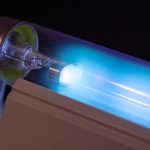

UV lights in HVAC systems kill mold and bacteria on internal coils, while UV air purifiers like the REME HALO clean the air circulating throughout your home. Understanding the differences helps homeowners choose the right solution for their air quality needs.
🎯 Read the full guide here:
Pros and Cons of UV Light in HVAC – Are the Benefits Worth the Cost?
UV Lights vs. UV Air Purifiers in Your HVAC: What’s the Difference and Which One Do You Need?
Indoor air quality has become one of the top concerns for homeowners. Modern homes are tightly sealed for energy efficiency, but this also traps pollutants inside. HVAC systems are designed to circulate and condition air, but they can also spread allergens, bacteria, and mold spores throughout the home. Many homeowners consider upgrading their HVAC with either a UV light or a UV air purifier. While both use ultraviolet technology, they serve different purposes. This article explains what each system does, how they work, and which is right for your needs.
 What Causes Indoor Air Quality Problems?
There are many common sources of indoor air contamination:
- Excess moisture inside HVAC equipment creates an environment for mold and mildew.
- Dust, pollen, pet dander, and airborne allergens cycle through ductwork continuously.
- Bacteria and viruses can travel through shared air spaces.
- Volatile organic compounds (VOCs) from cleaning products, paints, and furnishings linger in closed spaces.
- Odors from pets, cooking, smoke, and chemicals get trapped inside.
Each of these problems contributes to health concerns, especially for allergy and asthma sufferers. That’s why many homeowners turn to UV-based solutions to keep air fresher and healthier.
How Do HVAC UV Lights Work?
HVAC UV lights are installed directly inside the system, typically near the evaporator coil or drip pan. These components tend to collect moisture, which creates an ideal environment for microbial growth. The UV-C light emitted by these lamps damages the DNA of mold spores, bacteria, and viruses, preventing them from reproducing.
Real example: A homeowner in humid Alabama had ongoing issues with a mildew smell coming from their AC vents. Their HVAC technician installed a UV coil light, and within days the odor disappeared. After several months of use, follow-up service revealed no visible mold growth.
For a deeper look at how coil lights eliminate mold growth, check out Does UV Light Really Kill Mold in HVAC?
What Do UV Air Purifiers Like the REME HALO Do?
UV air purifiers go a step beyond surface disinfection. Systems like the REME HALO are installed inside the ductwork and clean the air as it passes by. The REME HALO combines UV-C light with ionization and plasma generation to break down and neutralize pollutants. These purifiers reduce not only bacteria and viruses, but also allergens, VOCs, and odors.
- Neutralizes germs and viruses in the air
- Breaks down chemicals and VOCs
- Reduces smoke, pet, and cooking odors
- Improves air quality for those with asthma or allergies
Real example: A family in Texas with multiple pets and allergy-prone children installed a REME HALO. Within two weeks they noticed fewer allergy symptoms, reduced pet odors, and better overall air freshness throughout the home.
 Why Whole-House Air Purifiers Aren’t As Easy As They Sound
 Why Whole-House Air Purifiers Aren’t As Easy As They Sound
Many people start shopping for an air purifier with one goal in mind: find something that can clean the air throughout their entire house. It sounds simple—but it’s not. Most air purifiers are portable units designed to work in a single room. Even large-capacity models that claim to cover “open spaces” can only clean the air where they physically sit. If your home has multiple rooms, closed doors, or hallways, that purifier won’t reach very far.
Some homeowners try to solve this by buying multiple units—one for each room. But that gets expensive fast, not to mention noisy, bulky, and hard to maintain.
The Hidden Advantage of HVAC-Based Air Purification
If you already have a central HVAC system, there’s a much more efficient solution: a whole-house in-duct air purifier. These systems install directly into your HVAC ductwork—usually in the supply plenum—and clean the air as it circulates through the system. That means every time your AC or heater runs, it’s not just adjusting temperature—it’s distributing cleaner air to every room in your home.
This type of setup ensures that bedrooms, living spaces, bathrooms, and even rarely used areas all benefit from purified air—no extra machines, no noise, and no wasted space.
Why UV + Ion Air Purifiers Work on a Whole Other Level
While traditional air purifiers rely on filters to trap particles, UV ionization systems take a more proactive approach. Systems like the REME HALO combine UV-C light with ionization and hydro-peroxide plasma to actually neutralize airborne threats—including:
- Viruses and bacteria floating in your home’s air
- Mold spores that standard filters can miss
- Odors from pets, cooking, smoke, or chemicals
- Volatile organic compounds (VOCs) and airborne chemicals
Instead of pulling air through a filter and hoping everything gets caught, these systems actively send out oxidizers and charged ions into your ductwork and living spaces. That means contaminants are broken down mid-air—before you ever breathe them in.
It’s a major step up from passive filtration. And for people who want their whole home to smell cleaner, feel fresher, and reduce health triggers like allergies or sinus irritation, UV air purifiers offer an unbeatable level of protection.
h3>Key Problems Solved by Each System
The following table explains which common household air quality problems each type of UV solution is designed to address.
| Problem | Coil UV Light | UV Air Purifier |
|---|---|---|
| Mold inside HVAC | ✅ Excellent | ➖ Not primary purpose |
| Musty odors from vents | ✅ Often solves | ✅ Often solves |
| Allergy symptoms | ➖ Minimal impact | ✅ Significant relief |
| Pet or cooking odors | ➖ No effect | ✅ Strong reduction |
| Bacteria, germs, viruses | ➖ Surface only | ✅ Airborne and surface reduction |
| Airborne allergens | ➖ No effect | ✅ Strong reduction |
Before you decide which fits your home best, run through these questions to ask before buying a UV light so you know what to look for in specs and installation.
Safety: Coil UV Lights vs UV Air Purifiers
Both coil UV lights and in-duct UV air purifiers are designed to operate safely out of sight, inside your HVAC system. The main safety considerations come into play during installation, servicing, and when choosing between ozone-producing and non-ozone technologies.
- Coil UV lights: These sit inside the air handler, aimed at the evaporator coil and drain pan. The primary risk is looking directly at a live UV-C bulb during service. Power should be shut off before opening any access panels, and techs should use eye and skin protection.
- UV air purifiers: Systems like the REME HALO are designed to meet strict limits for ozone and byproducts. For homes with asthma, COPD, or chemical sensitivities, it’s best to choose low- or no-ozone models and have them set up by an experienced installer.
- Shielding and placement: Both types of UV devices should be mounted so the light shines on coils or air streams—not directly on flexible duct, plastic wiring jackets, or filters for long periods.
- Service routines: Any time someone works around the unit, the rule is simple: turn off the power first so the UV shuts down before the panel is opened.
Installed correctly, these systems treat air and surfaces—not people. With proper shielding, placement, and basic safety habits, UV technology quietly does its job in the background without adding risk to your home.

Safety Considerations
Some homeowners worry about the safety of UV technology. When installed by a professional, both coil UV lights and UV air purifiers are very safe. The UV light is confined inside your HVAC system and not exposed to people or pets. Modern devices like the REME HALO are designed to meet strict ozone safety standards and operate within EPA guidelines.
Installer tip: Always have UV systems installed by an experienced HVAC contractor to ensure the light is properly shielded and optimally placed for effectiveness.
For a full breakdown of benefits, upkeep, and real-world costs, see our main article Pros and Cons of UV Light in HVAC.
Cost: Coil UV vs Whole-Home UV Air Purifiers
Cost is one of the biggest deciding factors between a simple coil UV light and a whole-home UV air purifier. Both are long-term upgrades, but they sit in different price brackets and deliver different levels of coverage.
- Coil UV lights: These are usually the lower-cost option. Basic kits often fall in the hundreds rather than thousands, and installation is typically straightforward. You’ll still need to budget for yearly bulb replacements, but ongoing costs stay relatively modest.
- UV air purifiers (like REME HALO): These systems usually cost more up front but treat the entire home’s air stream. In addition to the device and installation, plan on replacing the cell every 18–24 months as part of routine maintenance.
- Long-term value: If your main problem is coil mold and musty odors, a coil light can be the most cost-effective fix. If you’re chasing whole-home improvements—fewer allergy flares, better odor control, cleaner-smelling air—an in-duct purifier can justify the higher initial price.
- Using both together: Some homeowners install a coil UV light for mold prevention and a UV air purifier for room-to-room protection. That combination has the highest cost, but it also delivers the most complete coverage.
Think of it this way: coil UV is a targeted “maintenance” tool for your equipment, while a UV air purifier is a comfort and health upgrade for the entire house. The right choice depends on whether you’re solving a specific HVAC problem or aiming for whole-home air quality.

Cost vs. Benefit Comparison
The following table breaks down the typical investment, coverage, and maintenance requirements for each type of system.
| System | Cost | Lifespan | Coverage | Maintenance |
|---|---|---|---|---|
| Coil UV Light | $150–$500 | 5+ years | Surface protection only | Replace bulb every 12 months |
| UV Air Purifier | $500–$1,200 | 5–10 years | Whole-house air treatment | Replace cell every 18–24 months |
Quick Recommendation Guide
If you’re still unsure which to choose, here’s a simple decision table to help you decide:
| Situation | Best Option |
|---|---|
| You live in a humid climate | Coil UV Light |
| You want to eliminate pet or cooking odors | UV Air Purifier |
| Your family has allergies or asthma | UV Air Purifier |
| You want the lowest upfront cost | Coil UV Light |
| You want maximum air quality protection | Both systems together |
Which One Is Right for You?
If mold prevention is your main concern, a coil UV light is affordable and effective. For whole-home odor control and allergy relief, a UV air purifier like the REME HALO delivers better results. Many homeowners successfully use both systems together for maximum protection and performance.
Final Thoughts
UV lights prevent mold growth and microbial buildup inside your HVAC system, helping to keep it clean and efficient. UV air purifiers take air quality a step further by neutralizing allergens, bacteria, viruses, odors, and VOCs throughout the entire home. The two systems complement each other well, and many HVAC professionals recommend installing both for homeowners serious about indoor air quality.
What to Read Next
Frequently Asked Questions
What is the main difference between UV lights and UV air purifiers?
UV lights protect the HVAC coil from mold and bacteria buildup. UV air purifiers actively clean the air moving through your ducts, neutralizing germs, odors, and allergens.
Can I install both?
Yes. Many homeowners choose to use both a coil UV light and an air purifier for the best combined results in air quality and system cleanliness.
Are HVAC UV systems safe?
Yes, when professionally installed. Systems like the REME HALO meet safety and ozone guidelines set by regulatory agencies.
Do UV systems remove dust or pet hair?
No. UV systems target airborne microbes and odors. A high-quality HVAC filter is still needed to capture dust and larger particles.
How long do HVAC UV systems last?
Coil UV bulbs typically last about 12 months. Air purifier cells, like those in the REME HALO, generally last 18 to 24 months depending on use and conditions.