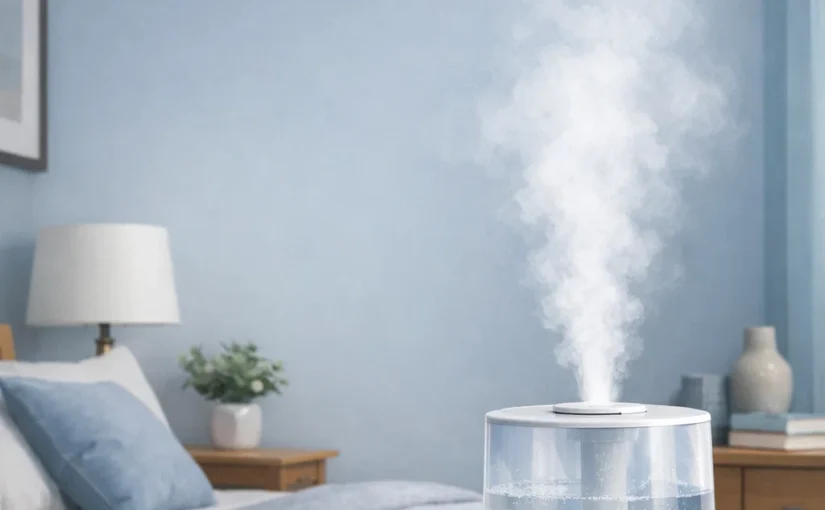
A humidifier simply adds moisture to dry indoor air, whether your AC is running or not. The confusion usually comes from the “Dehumidify/Dry” button on air conditioners (which removes moisture), plus people mixing up humidifiers and dehumidifiers.
Table of Contents
 Can I Use a Humidifier Without Aircon?
Yes. You can run a humidifier with no aircon at all — in winter, in mild weather, or anytime your indoor air feels dry.
A humidifier’s job is simple: add moisture to the air. It doesn’t need an air conditioner to “activate” it or make it work.
That said, this question is more common than you’d think, and it usually comes from a very understandable mix-up:
air conditioners remove humidity and many have a “Dry / Dehumidify” mode — so people assume there might be a “humidify” mode too.
There isn’t.
Why This Question Comes Up So Much
Most people aren’t thinking in technical terms — they’re thinking in buttons and results.
They know AC air feels dry, they see a “Dehumidify” option, and they start wondering if humidifying is something that only happens “with aircon.”
- AC makes the air feel drier (because it removes moisture while it cools)
- Many units have a Dry / Dehumidify setting
- People hear “humidifier” and “dehumidifier” and assume they’re just settings on the same machine
So the real goal of this article is to clear up the confusion and help you use the right tool.
Quick Definitions: Humidifier vs Dehumidifier
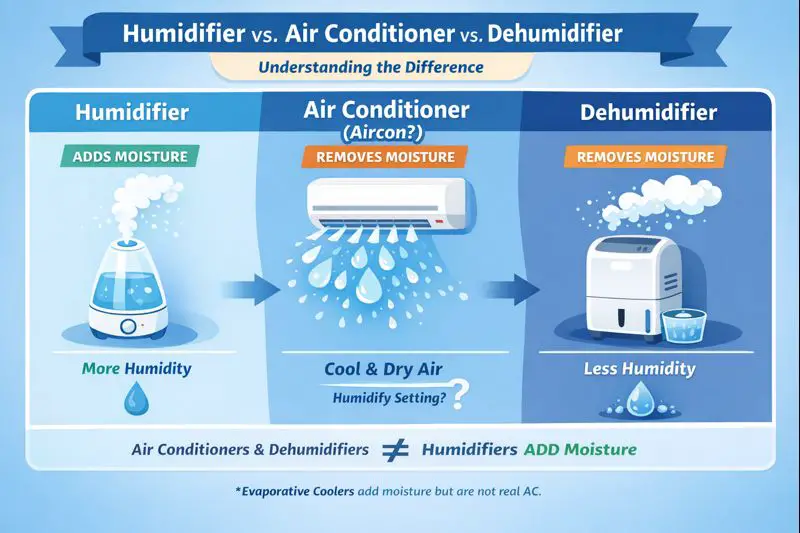
Humidifier: adds moisture to the air (helps with dry air, dry skin, irritated sinuses, static, dry throat).
Dehumidifier: removes moisture from the air (helps with damp air, musty smells, basement humidity, mold risk).
They do opposite things — and air conditioners are naturally dehumidifiers when they run.
Important: Air Conditioners Dehumidify by Nature
When an air conditioner runs, it pulls warm air across a cold coil. Moisture in that warm air condenses on the coil (like water on a cold drink), then drains away.
That’s why AC air often feels “dry.”
So if you’re running aircon a lot, you may actually be more likely to want a humidifier — because the AC may be drying the air out.
What the “Dehumidify / Dry” Button on an Air Conditioner Actually Means
Many air conditioners have a “Dehumidify” or “Dry” mode, which adds to the confusion.
This setting does not add moisture to the air.
Instead, it removes humidity by running the cooling system in a way that pulls moisture out without lowering the temperature as much.
In other words: Dehumidify mode is still a drying function. It is not the opposite of a humidifier, and air conditioners do not have any setting that adds humidity back into the air.
So Can an Air Conditioner Ever Act Like a Humidifier?
No. Standard air conditioners (central AC, window units, portable ACs) are built to remove heat and remove moisture.
They do not generate mist or steam, and they don’t add water vapor to indoor air.
If your indoor air feels dry while using aircon, the solution isn’t an AC setting — it’s typically:
- Reduce how low the thermostat is set (overcooling can increase dryness)
- Run a humidifier to add moisture back
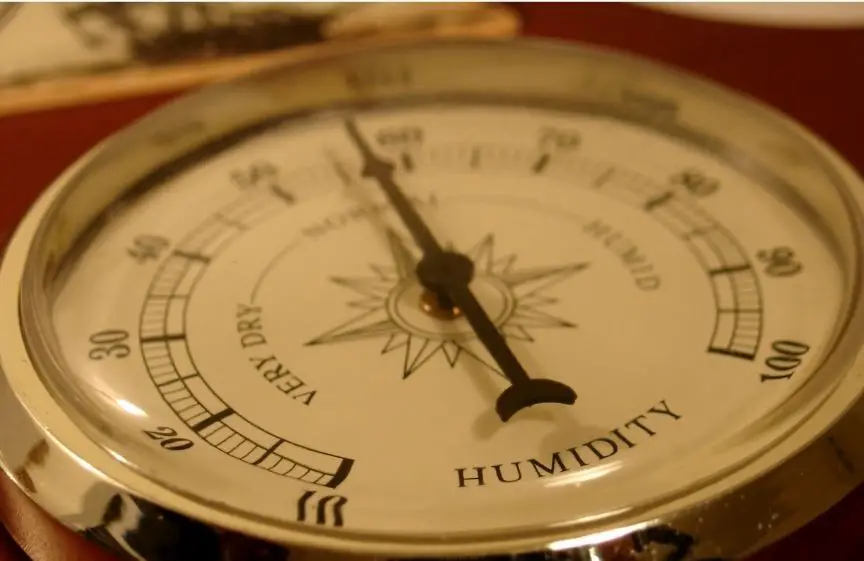
- Monitor humidity with a simple hygrometer
Unless They Mean “Aircon” As in an Evaporative Cooler
In some regions, people use “aircon” to describe any machine that makes a room feel cooler — including evaporative coolers (often called swamp coolers).
Here’s the big distinction:
- Air conditioner: cools AND dehumidifies (removes moisture)
- Evaporative cooler: cools by adding moisture (works more like a humidifier)
So if someone says “aircon” but they really mean an evaporative cooler, then yes — that system can raise humidity.
But that’s not a normal AC.
When Using a Humidifier Without Aircon Makes Sense
- Winter heating dries indoor air out fast
- You live in a dry climate (high desert, cold dry regions)
- You wake up with a dry throat, congestion, or nose irritation
- You’re running a space heater or fireplace (both can dry air)
When a Humidifier Can Make Things Worse
A humidifier is great when the air is dry — but if your home is already humid, it can create problems.
- You see condensation on windows
- Your room smells musty
- You’re in a humid climate and indoor humidity already runs high
- You notice damp walls, damp bedding, or signs of mold
A simple goal range is 30–50% indoor humidity. If you’re already above that, a humidifier may not be the right move.
The Simple Way to Know If You Need a Humidifier
If you want the easiest answer: use a basic hygrometer (humidity meter).
- Below 30%: air is dry — a humidifier often helps
- 30–50%: comfortable range for most homes
- Above 50%: caution — you may need moisture removal, not added moisture
If you don’t have a hygrometer, common “dry air” signs include static shocks, dry skin, nose irritation, and a dry throat at night.
Summary
Yes — you can use a humidifier without aircon. A humidifier works on its own by adding moisture to indoor air, and it’s commonly used in winter or dry climates when air conditioning isn’t running at all.
The confusion comes from two things: people mixing up humidifiers vs dehumidifiers, and the “Dry/Dehumidify” button on air conditioners — which removes moisture, not adds it.
If you’re unsure what you actually need, aim for 30–50% indoor humidity and use a simple hygrometer to confirm.