Are There Any Disadvantages to Using a Humidifier?

Are There Any Disadvantages to Using a Humidifier?

In short, yes there can be some potential downsides to using a humidifier. However, most risks can be avoided with proper maintenance and care.

Humidifiers work by increasing moisture levels in the air. This can help relieve issues caused by dry indoor air, such as static electricity, dry skin, sinus congestion, and more. But adding moisture also comes with some possible drawbacks that should be considered.

According to the EPA, the main potential risks of humidifiers include:

Mold growth Dispersing minerals into the air
Bacteria buildup in stagnant water Noise
Child safety hazards Hard water residue

However, the EPA notes these risks can generally be avoided by following manufacturer instructions for cleaning and maintenance. Let’s look at each potential disadvantage in more detail:

A New Generation of Humidifiers That Clean the Water as they Humidify.

PureGuardian H5450BCA Ultrasonic Warm and Cool Mist Humidifier UVC

Mold and Mildew Growth

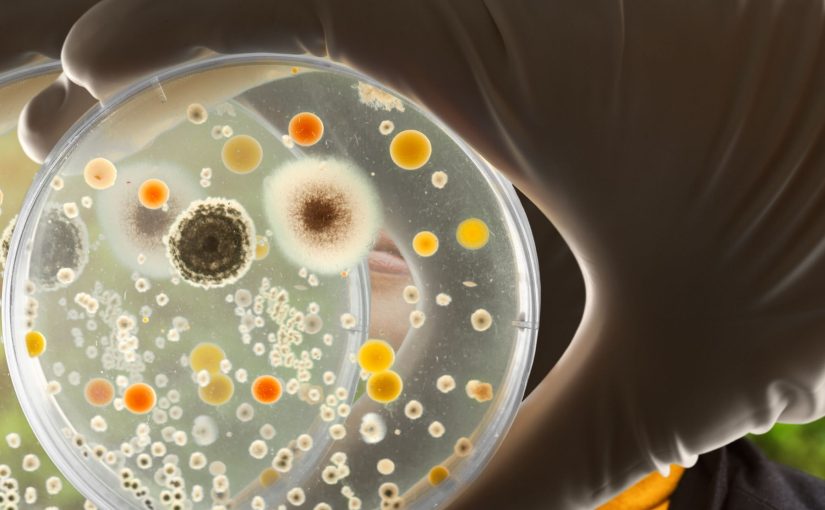
One of the biggest concerns with humidifiers is increased mold and mildew growth. Mold spores thrive in damp environments. So if a humidifier raises moisture levels too high, it can create ideal conditions for mold.

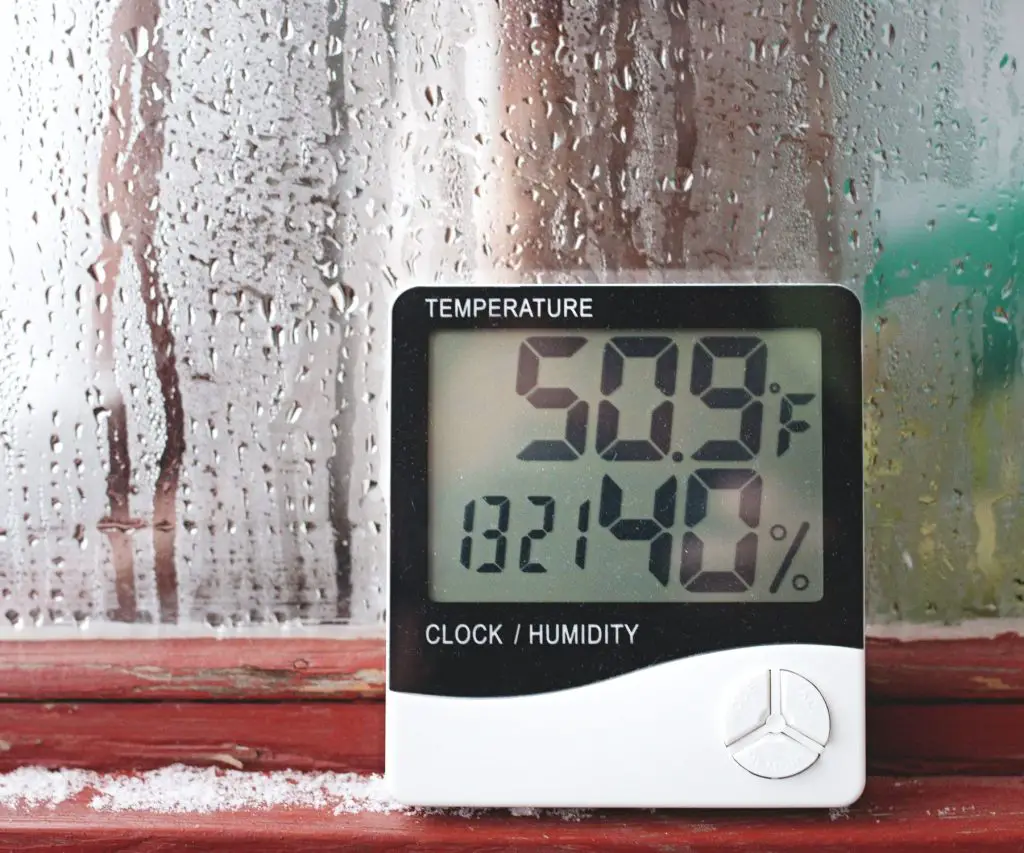
The EPA recommends keeping indoor humidity under 50% to discourage mold growth. Anything over 60% for an extended time risks major mold issues. Using a hygrometer to monitor humidity levels is advised.

To help prevent mold with a humidifier:

  • Don’t over-humidify rooms
  • Change water daily
  • Clean and dry tanks thoroughly
  • Use distilled or filtered water
  • Don’t let moisture build up on surfaces
  • Check for leaks or standing water

Dust and Mineral Dispersion

Some humidifiers, especially ultrasonic and impeller types, can disperse minerals and dust into the surrounding air. This includes naturally occurring mineral dusts.

As the humidifier vaporizes water, small mineral particles get released. Using filtered or distilled water instead of tap water can help reduce this effect.

Bacteria Buildup in Stagnant Water

Stagnant water left sitting in a humidifier tank can breed bacteria and microorganisms. These then get blown out into the air by the humidifier.

To prevent bacteria growth:

  • Change water daily
  • Disinfect tank weekly
  • Don’t let water sit for long periods
  • Follow cleaning instructions

Noise

Some types of humidifiers, especially ultrasonic and impeller models, can produce bothersome white noise. This sound is created from high frequency vibrations that turn water into a mist.

The humming or buzzing may disrupt sleep if the humidifier is used in a bedroom. Look for units specifically designed to be ultra quiet or whisper silent.

Hard Water Residue

Hard water containing minerals like calcium and magnesium can leave behind white dust or scale around humidifiers. As the water evaporates, the minerals are left behind.

This harmless but unsightly residue can spread through the air. Ways to prevent it include:

  • Use distilled or filtered water
  • Use demineralization filters or cartridges
  • Clean with vinegar or descaling solutions

Child Safety Concerns

Humidifiers can pose some risks to children if used improperly:

  • Burns: Hot steam vapors from warm mist models can cause burns if touched directly.
  • Tipping: Rowdy play may cause a floor unit to tip and spill. Place on sturdy surfaces out of reach.

Properly supervise children around humidifiers and keep floor units on low, sturdy surfaces.

Other Considerations When Choosing a Humidifier

To find the right humidifier and minimize risks, keep these factors in mind:

  • Size and intended coverage area
  • Noise levels, especially for bedroom use
  • Convenience – how easy to fill, clean, and maintain
  • Type of humidifier: warm or cool mist, evaporative, ultrasonic, etc.
  • Any smart features like humidity sensors or auto shut-off

Also look for models with:

  • Automatic shut off when empty
  • Leak protection or overflow prevention
  • Tip over protection
  • Timer and humidity settings
  • Antimicrobial materials that inhibit mold

Proper Care Is Key

While the potential risks may seem concerning, the key is proper maintenance and care of your humidifier.

Be sure to:

  • Read all instructions and safety guidelines
  • Change water daily or every few days max
  • Rinse and scrub tanks to remove film
  • Disinfect tanks weekly with bleach solution
  • Dry out humidifier between uses
  • Use filtered or distilled water
  • Monitor humidity levels with a hygrometer
  • Clean and replace filters regularly

With regular cleaning and care as directed, you can minimize any risks and safely enjoy the benefits of humidifier use.

The Bottom Line

There are some potential downsides to be aware of when using a humidifier:

  • Mold growth in damp environments
  • Dispersing minerals and dust into the air
  • Bacteria buildup in stagnant water reservoirs
  • Noise from some models
  • Hard water residue
  • Safety concerns around children

However, diligent cleaning, filtered water, monitoring humidity levels, and general precautions can minimize any risks.

While no device is risk-free, humidifiers can safely and effectively relieve the problems caused by dry air when used properly. With some care and maintenance, you can unlock all the benefits of humidifier use for your home or office.


Should You Use An Ionizer For Your Basement?

Should You Use An Ionizer For Your Basement?

Using an ionizer in your basement can help improve indoor air quality and reduce odors. But because the basement is usually a enclosed space, there is bigger chance of ozone building up even if the ionizer in question produces only a negligible amount. Here’s a quick overview of how basement ionizers work and whether you should consider using one.

What Is A Basement Ionizer?

A basement ionizer is an air cleaning device that uses negative ions to help remove pollutants and odors from the air. Here’s how it works:

  • The ionizer pulls air into the unit and passes it over an electrode.
  • The electrode generates a high voltage charge that converts oxygen molecules in the air into negatively charged ions.
  • These negative ions are released back into the room and attach themselves to airborne particles like dust, pollen, and smoke.
  • The ionized particles become heavier and clump together, causing them to fall out of the air into the floor.

This process effectively reduces airborne contaminants and particles that can trigger allergies and irritate the lungs. The ions also neutralize odors by breaking down compounds that cause smelly vapors.

Benefits Of A Basement Ionizer

Here are some of the main benefits of using an ionizer in your basement:

  • Removes particles and allergens – Negative ions cause airborne particles to cluster and drop out of the air, reducing dust, pet dander, pollen and other allergens.
  • Eliminates odors – Ionizers neutralize chemicals and compounds that cause unpleasant basement odors from mold, mildew, pipes, paints, etc.
  • Reduces airborne mold – Mold spores floating in the basement air will clump together when ionized and drop out of the air you breathe.
  • No filters required – Ionizers don’t require expensive ongoing filter purchases like traditional air purifiers.
  • Low maintenance – Most models just need occasional cleaning of the ionizing electrodes.

By flooding your basement with negatively charged ions, an ionizer essentially works to scrub and purify the air without the need for any filters.

Should You Use An Ionizer In Your Basement?

Here are some things to consider when deciding if a basement ionizer is right for your home:

Pros Cons
  • Effectively reduce airborne particles like dust and allergens
  • Eliminate musty basement odors
  • Inexpensive to operate long-term since no filters needed
  • Require little maintenance
  • May produce trace amounts of ozone as a byproduct
  • Don’t fully eliminate gases like radon or carbon monoxide
  • May cause very low humidity in the basement air
  • Not effective at removing bigger particles like pet hair

In general, basement ionizers are an effective and affordable way to improve air quality and odor issues in the basement. They are a good option if you mainly want to address common particles like dust or mold spores. However, ionizers alone may not fully handle problems like high radon levels or excess humidity.

Top 5 Basement Ionizers

Here are 5 top-rated ionizer models to consider for your basement:

  • 1. Ivation Ozone-Free Ionizer – Features dual ion emitters, whisper-quiet fan, and adjustable ion output. Covers up to 800 square feet.
  • 2. PureZone Elite 4-in-1 Air Purifier – Combination HEPA filter, UV light, and ionizer. Includes activated carbon pre-filter to absorb odors.
  • 3. Envion Therapure TPP240 Permanent HEPA Air Purifier – HEPA-filtered ionizer able to handle larger rooms up to 500 square feet.
  • 4. Airfree P500 Basement Pro Series Air Purifier – Specialized for basements up to 540 square feet. Destroys mold, bacteria and viruses without filters.
  • 5. Airthereal APH260 7-in-1 Air Purifier – With true HEPA filter, activated carbon, UV light, and ionizer for maximum purification.

Be sure to match the unit’s coverage capacity to the square footage of your basement. Also look for features like whisper-quiet fans, adjustable ion output, timers, and air quality sensors. Many affordable quality options are available to suit any budget.

Frequently Asked Questions

1. Do basement ionizers really work?

Yes, basement ionizers are an effective solution for reducing airborne particles like dust, dander, pollen and mold spores. The negative ions cause these particles to clump together and fall out of the air. Ionizers are also effective at neutralizing odors caused by chemicals or musty conditions.

2. Where should I place a basement ionizer?

The best location is elevated off the floor, centrally located in the open basement room, and away from obstructions that can block air flow. Avoid corners or tight spaces. Pointing the ionizer’s airflow in a direction that maximizes circulation throughout the entire basement is ideal.

3. Do ionizers remove radon gas?

No, ionizers alone do not remove radon gas. They are effective for particulate removal but not gases. You need a radon mitigation system with features like sub-slab suction to properly vent radon from beneath the home’s foundation.

4. Can ionizers reduce humidity in the basement?

Yes, ionizers can slightly reduce humidity as a side effect. The ions create a very dry environment that causes moisture to be pulled out of the air. But an ionizer alone is not enough to control high humidity or be used as a dehumidifier alternative.

5. Do ionizers produce ozone?

Some older ionizer models produce trace amounts of ozone as a byproduct. However, today’s quality ionizers are designed to produce negligible ozone well within safe levels. Confirm that any model is certified ozone-free. 1.

6. How often do ionizers need cleaning?

Most manufacturers recommend cleaning the ionizing electrodes about once every 2-4 weeks, depending on use. This involves wiping down the electrodes with a cotton swab soaked in alcohol to remove any buildup. Follow the included instructions for proper maintenance procedures.

7. Can an ionizer be used with other air purifiers?

Yes, you can safely use an ionizer in conjunction with other purifiers like HEPA air filters or UV systems. The ionizer will tackle particles and odors, while devices like HEPA filters traps allergens like dust and pollen that ions miss. Using multiple technologies works better than relying on just one.


HEPA Filters: A Complete Guide to Removing Smoke and Improving Indoor Air


Using HEPA Filters for Smoke Removal and Indoor Air Quality Improvement

Introduction

Indoor air quality has become an increasing concern in recent years, especially when it comes to the effects of smoke exposure. Smoke particles emitted from activities like cooking, smoking, or wildfires can accumulate quickly indoors and pose a serious health risk. An effective solution for removing smoke and improving indoor air quality is the use of air purifiers and HVAC systems equipped with High Efficiency Particulate Air (HEPA) filters.

HEPA filters are specifically designed to capture extremely small particles that other filters cannot. This makes them ideally suited for removing smoke particles and preventing them from circulating back into the air. Installing the proper HEPA filter for your needs can drastically reduce smoke odor and smoke damage to your indoor environment.

This article will provide an in-depth look at HEPA filter technology, examine the benefits of using HEPA filters for smoke removal, and discuss key factors to consider when selecting the right HEPA filter for your situation.

What are HEPA Filters?

HEPA filters are a type of pleated mechanical air filter that can remove at least 99.97% of particles sized 0.3 microns from the air that passes through them. This includes:

  • Fine particles like smoke, dust, pollen, mold spores
  • Bacteria and viruses
  • Pet dander and other allergens

To qualify as true HEPA, filters must satisfy specific standards for particle capture efficiency set by the United States Department of Energy.

HEPA filters achieve this level of filtration through dense mesh screens of randomly arranged fiberglass fibers. As air flows through the filter, particles get trapped in the maze of fibers and cannot pass through to the other side.

This unique structure allows HEPA filters to capture particles much smaller than other filter types like fiberglass or pleated filters. That’s why they are indispensable for removing smoke and improving indoor air quality.

Why Filtration is Vital for Smoke Removal

There are several reasons why filtration with HEPA filters is so important when dealing with smoke indoors:

  • Smoke contains tiny particles and gases that can be easily inhaled and cause health issues.
  • Many components of smoke like soot and ash will quickly settle on indoor surfaces, leading to smoke damage and odor.
  • Without proper ventilation and filtration, smoke particles will persist in the air for long periods.
  • Standard low-MERV filters are not enough to effectively capture smoke particles from the air.

HEPA filtration is the most reliable way to eliminate recirculating smoke contaminants from the indoor space. By installing the correctly rated HEPA filter, you can actively clean the air and provide a safer, healthier indoor environment.

How Do HEPA Filters Work?

HEPA filters use a very straightforward yet ingenious mechanical process to remove particles from the passing air stream. Here are the basic steps:

  1. Air is drawn into the filter, usually by a fan or the central HVAC system airflow.
  2. The air passes into the densely packed layer of randomly arranged fibers.
  3. Particles in the air stream get trapped within the maze of fibers and adhere to them through processes like interception, impaction, diffusion, electrostatic attraction.
  4. Clean, filtered air passes through to the other side while contaminants stay embedded in the filter.

HEPA filters use random fiber meshes to capture particles

The dense structure of HEPA filters means they can capture much smaller particles than other common filter types. Here’s a comparison:

Filter Type Typical Particle Size Captured
HEPA 0.3 microns and above
Pleated 3-10 microns
Washable 10+ microns

As you can see, the microscopically fine smoke particles from combustion are too tiny for standard filters but get easily stopped by HEPA filters.

Benefits of Using HEPA Filters for Smoke Removal
Installing the appropriate HEPA filters can profoundly improve indoor air quality in the presence of smoke by delivering the following benefits:

Improved Indoor Air Quality

The most obvious advantage of HEPA filters for smoke is cleaner indoor air. HEPA filtration actively reduces the concentration of airborne smoke particles, helping restore air quality to safe levels. This makes the indoor environment healthier and more comfortable.

Reduced Health Risks

Removing smoke particles with HEPA filters greatly minimizes adverse health effects associated with smoke exposure such as:

  • Respiratory irritation
  • Asthma attacks
  • Allergic reactions
  • Eye, nose and throat irritation
  • Headaches
  • Lung inflammation

By preventing you and your family from inhaling harmful smoke contaminants, HEPA filters reduce the chance of developing both short and long-term health issues.

Protection of Indoor Spaces

In addition to health impacts, smoke particles also lead to physical damage to the home from soiling and discoloration. Over time, smoke odor also becomes absorbed into soft furnishings like carpets, drapes and upholstery.

HEPA filtration helps safeguard your indoor spaces by capturing airborne smoke before it has a chance to settle and cause damage. This prevents deterioration of indoor surfaces and materials.

Smoke Odor Reduction

Smoke odor lingers long after visible signs of smoke clear thanks to microscopic particles embedding in textiles. Powerful HEPA air purification helps neutralize stubborn smoke smells by removing the lingering particles causing the odor from the air. This helps restore indoor air freshness.

Types of HEPA Filters for Smoke Removal

There are a few common systems that utilize HEPA filters to eliminate smoke from indoor air. The right option for your needs depends on factors like room size, portability requirements, and efficiency targets.

Portable Air Purifiers

  1. Portable HEPA air purifier

For smoke removal in single rooms or small spaces, portable HEPA air purifiers offer flexibility and convenience. Compact standalone units with built-in fans, HEPA filters, and other filtration stages allow you to move clean air power wherever it’s needed most.

Many portable purifiers include special features for smoke removal like activated carbon prefilters to adsorb gases. Portable units come in all sizes suitable for different room capacities.

HVAC Air Filters

Installing HEPA air filters designed for HVAC systems is an effective way to filter smoke throughout an entire building. High-grade filters like MERV 13+ rated pleated HEPA filters will clean air passing through central ventilation systems and heat pumps.

However, HVAC HEPA filters work for smoke removal only when the HVAC system is actively running. Portable units or standalone air cleaners provide constant air filtering.

Standalone HEPA Air Cleaners

For spaces too large for portable purifiers but without central air handling, standalone HEPA air cleaners are a great smoke filtration solution. These floor models are built just like portable purifiers but with increased power and fan capacity for large areas.

Standalone air scrubbers with HEPA filters offer smoke removal abilities on par with HVAC filtration but in a self-contained, portable package. Many include multiple fans and HEPA filters for rapid air exchange in large open spaces.

Choosing the Best HEPA Filter for Smoke Removal

When selecting HEPA filtration systems for removing smoke particles, keep the following factors in mind:

Room Size

Always match the HEPA filter system capacity and power with the size of the space needing smoke relief. Undersized air cleaners will not provide sufficient air exchange. Check manufacturer recommendations and AHAM CADR ratings.

For large rooms, standalone HEPA air scrubbers provide the strongest filtration. Multiple portable units may be needed for very large spaces.

Filtration Efficiency

Select units rated at true 99.97% HEPA specification to properly remove smoke particles. MERV 13 – 16 pleated filters are suitable options for HVAC systems.

Added filter stages like activated carbon and prefilters help remove gases and large particles before the HEPA filter for better overall filtration.

Noise Levels

More powerful air scrubbers and purifiers often generate significant noise which could be distracting. Check noise ratings and operating volumes before purchasing if noise could be an issue.

Maintenance Requirements

Smoke contamination will clog up HEPA filters faster than normal use. Be prepared to replace filters 1-2 times more frequently when using for smoke removal. Choose units with convenient filter access.

Portable purifiers and standalone air scrubbers allow quick DIY filter changes. HVAC filters may require professional service for access.

Conclusion

Smoke exposure indoors poses a real health and air quality hazard that standard filtration cannot adequately address. Installing advanced HEPA filtration systems offers a proven solution to remove airborne smoke contaminants and restore indoor air freshness.

Based on their superior particulate capture properties, HEPA filters are uniquely suited to eliminating recirculating smoke from indoor spaces. Using portable purifiers, HVAC filters, or standalone air scrubbers fitted with true HEPA filters will effectively improve indoor air quality in the aftermath of events producing heavy smoke.

Carefully select the HEPA filtration system matched to your room size, efficiency needs, noise limits, and maintenance considerations. Prioritizing high-quality HEPA filters designed for smoke removal will pay off with healthier indoor air and reduced smoke damage to your home. By actively filtering smoke particles, HEPA air purifiers provide clean, fresh and breathable indoor air when you need it most.

Recommendations for Choosing HEPA Filters

  • Focus on systems using true 99.97% HEPA media for adequate smoke removal. MERV 13+ pleated filters work for HVAC systems.
  • Match the filter capacity with room size. Undersized units will not provide sufficient air changes.
  • Consider noise levels. More powerful units can generate distracting noise.
  • Plan on frequent filter replacements when used for smoke filtration. Easy access is ideal.
  • For localized smoke situations, portable HEPA air purifiers offer flexibility to move clean air where needed.
  • Standalone commercial HEPA scrubbers are ideal for large, open areas without existing air handling systems.
  • Consult HVAC professionals to install upgraded HEPA filters in central air systems for whole-building smoke filtration.

Guide to Managing Humidity Levels in Your Home

Maintaining Proper Indoor Humidity Levels

Introduction

Maintaining proper humidity levels in your home is extremely important for your health, comfort, and even the integrity of your house. Indoor air that is too dry or too humid can cause a variety of problems, from respiratory issues to encouraging mold growth. In this comprehensive guide, we will cover everything you need to know about managing humidity in your living space.

We will start by explaining the ideal humidity range you should aim for inside your home. Next, we will go over the factors that impact indoor humidity and how temperature and moisture are connected. You’ll learn how to tell if your home is too humid or too dry, and tips for adjusting the moisture levels. We’ve also included charts on optimal humidity levels for health and comfort.

By the end, you’ll have a full understanding of how to balance the humidity in your home. Properly managing moisture and ventilation will improve air quality and create a healthier indoor environment.

Ideal Indoor Humidity Level

Experts recommend keeping the relative humidity in your home between 30% to 50% year-round. This range provides the right balance for human health and comfort. It also reduces problems with condensation, mold growth and dust mites.

Here are some key points about ideal indoor humidity levels:

  • 30% to 50% relative humidity is optimal for most homes. This range minimizes health risks and provides comfortable air.
  • Levels below 30% are too dry and can cause problems like static electricity, dry skin, sore throats and increased spread of viruses.
  • Over 50% humidity starts to feel muggy. It also allows for more condensation, mold growth and dust mites.
  • Ideal humidity levels may vary slightly based on climate and personal preference. Adjust to what feels comfortable for your home.
  • Use a hygrometer to monitor humidity levels and make sure they stay in the 30-50% range.

There are a few factors that impact the ideal humidity range in your specific home:

  • Outdoor temperature and climate. Humidity preferences are lower in colder climates.
  • Indoor temperature. Warmer air can hold more moisture.
  • Number of occupants and their activities. More people and increased activity adds moisture.
  • Size and age of home. Older homes may be leakier and more difficult to control.

This chart provides guidelines on ideal indoor relative humidity by outdoor temperature:

Outdoor Temperature Recommended Indoor Humidity
Below 20°F 25-40% humidity
20°F to 70°F 30-50% humidity
Above 70°F 35-55% humidity

As you can see, the optimal humidity range rises slightly as outdoor temperatures increase. This helps offset the increased moisture that warmer air introduces into your home.

Ideal humidity levels also vary by season:

Season Recommended Humidity Range
Winter 30-40%
Spring 40-50%
Summer 50-60%
Fall 40-50%

Adjusting based on seasonal changes will help keep your home’s humidity optimized.

Understanding Home Humidity Levels

To control moisture in your living space, it helps to understand the relationship between temperature, humidity and water vapor. Here are the key concepts:

  • Temperature and humidity are interconnected. Warmer air can hold more moisture than cool air before it condenses.
  • Absolute humidity refers to the actual amount of water vapor present in the air. It is measured in grams per cubic meter.
  • As temperature increases, the capacity for air to hold moisture goes up.
  • Relative humidity measures the amount of moisture in the air compared to the maximum amount it could hold at that temperature. It is displayed as a percentage.
  • When warm air comes in contact with cooler surfaces, the moisture condenses. This is why you see condensation on cold glasses.

High humidity in your home can cause several problems:

  • Mold and mildew growth on surfaces
  • Bacteria and dust mites thriving
  • Condensation on windows and cold surfaces
  • Peeling paint and wallpaper
  • Musty odors
  • Respiratory irritation

To lower humidity levels when they are too high:

  • Ventilate with outside air – open windows or run exhaust fans
  • Run A/C or a dehumidifier
  • Seal leaks and cracks in exterior walls
  • Insulate cold surfaces like pipes to reduce condensation
  • Avoid excessive moisture sources like humidifiers

If indoor air is too dry, you can raise humidity by:

  • Cooking and showering (adds moisture)
  • Using humidifiers or vaporizers
  • Placing bowls of water near heat sources
  • Avoiding excessive ventilation in very cold/dry weather

Proper humidity control requires finding the right balance for your climate and home. Monitor with a hygrometer, and adjust as needed.

Humidity Levels for Health

Monitoring indoor humidity is important for health and wellness. Here are the effects humidity can have:

Humidity Range Effects on Health
Below 30% Increased illness transmission, dry skin and sinuses
30-50% Minimal health risks
50-70% Possible allergies, mold and dust mites
Over 70% Probable mold growth and bacteria breeding

Aim to keep humidity between 30-50% to minimize health issues. Ventilate and use a dehumidifier if levels exceed 50%.

Humidity Recommendations by Room

Ideal humidity levels can vary slightly by room depending on its use. Here are suggested ranges:

Room Ideal Humidity Range
Living spaces 40-50%
Bedrooms 30-50%
Bathrooms 30-50%
Basements 30-45%
Attics 30-45%

Monitor humidity room-by-room to customize your home’s comfort.

Humidity Preferences for Pets

If you have pets, aim for humidity levels they find comfortable:

Pet Preferred Humidity Range
Dogs 40-60%
Cats 40-50%
Small mammals 40-50%
Reptiles 50-70%
Birds 35-55%

Adjust based on your specific pets’ needs. Proper humidity keeps them healthy too.

Suggested Products

Here are some recommended products to help monitor and control humidity levels in your home:

  • Hygrometer – Measures relative humidity levels. Models like the ThermoPro TP50 allow you to track RH easily.
  • Dehumidifier – Removes excess moisture from the air. The hOmeLabs 4,500 Sq Ft Energy Star Dehumidifier protects large spaces.
  • Humidifier – Increases moisture in dry environments. Options like the TaoTronics Cool Mist Humidifier add humidity safely.
  • Air purifier – Filters allergens while optimizing humidity. The LEVOIT Air Purifier with Humidifier combats stuffiness.
  • Smart thermostat – Maintains ideal temp and humidity. The Sensi Touch WiFi Thermostat links to smart home devices.
  • Ventilation fan – Removes humidity and ventilates. Fans like the Panasonic WhisperCeiling Bathroom Fan keep air moving.

Investing in the right tools makes balancing humidity easier. Monitor conditions and adjust as needed to stay in the 30-50% comfort zone.

Conclusion

Controlling humidity in your home is important for health, reducing condensation issues and improving comfort. The ideal indoor humidity range is 30-50% relative humidity year-round. Use a hygrometer to monitor moisture levels. If the air is too humid, ventilate and dehumidify. When air is too dry, add moisture carefully with humidifiers. Finding the right balance will improve air quality and create a comfortable living environment. Properly managing humidity also helps maintain your home’s integrity by reducing condensation and mold risks.

Frequently Asked Questions

Frequently Asked Questions

  1. What is the ideal indoor humidity level for a home?
    The recommended year-round indoor humidity range is 30% to 50% relative humidity. This provides the best conditions for human health and comfort.
  2. How can you tell if your indoor humidity is too high?
    Signs of excessive humidity include condensation on windows and surfaces, musty odors, peeling paint or wallpaper, and mold growth. Use a hygrometer to check the humidity levels. Above 50% is considered too high.
  3. What causes low humidity in a house?
    Dry indoor air is often caused by cold, dry outdoor conditions, excessive ventilation without adding moisture, and running heating systems like furnaces that do not add humidity back.
  4. Is 40% humidity too low in a home?
    No, 40% relative humidity indoors is not generally too low. The ideal humidity range is 30% to 50%, so 40% is right in the middle. Only below 30% is considered too dry.
  5. Can low indoor humidity affect your health?
    Yes, excessively dry air can irritate respiratory systems, skin and sinuses. It may also contribute to the spread of viral illnesses. Ideal indoor humidity between 30-50% reduces health risks.
  6. What is the best humidity level for indoor plants?
    Most household plants thrive with 40-50% relative humidity. Some tropical plants prefer higher humidity around 50-70%. Mist plants daily or use a humidifier to supplement humidity.
  7. Where should you place humidifiers?
    Humidifiers are most effective placed in central living areas, though bedroom placement can help if the air is particularly dry. Avoid placing humidifiers near furniture, electronics or artwork.
  8. How can you raise humidity quickly?
    Fast ways to raise low humidity include running humidifiers, boiling water, placing bowls of water near heat vents, and avoiding excessive ventilation. Showering and cooking also introduce moisture.
  9. Do dehumidifiers help with allergies?
    Yes, dehumidifiers reduce humidity which inhibits mold, dust mites, bacteria and other allergens that thrive in damp indoor environments. Keeping home humidity under 50% helps cut down on allergens.
  10. How often should you run a dehumidifier?
    Run a dehumidifier continuously in problem areas. Check the reservoir daily and empty it when full. For preventative use, empty and run a dehumidifier for a few hours at a time 1-2 times per week as needed

Additional Resources

For more information on ideal humidity levels, visit this EPA’s page on Indoor Air Humidity

High Humidity Allergies- How to Cope


Dealing with Allergies in High Humidity Environments

High humidity can worsen allergy symptoms for many people. When the humidity is high, mold spores and other allergens like pollen and dust mites thrive. This increased level of allergens in a humid environment can trigger allergic reactions like sneezing, runny nose, watery eyes, and other uncomfortable symptoms.

Humidity levels measure the amount of moisture in the air. The higher the humidity, the more water vapor is present. Ideally, indoor humidity should be kept between 30-50%. Humidity levels above 50% provide the perfect moist conditions for mold, bacteria, viruses, and allergens to multiply.

So why exactly does high humidity make allergies worse? There are a few key reasons:

  • Increased allergen levels – Mold, dust mites, and other allergens thrive in humid conditions. Higher humidity means more of these allergens in your environment.
  • Allergens stay airborne longer – When the air is moist, allergens like pollen and dust can remain suspended in the air longer before settling on surfaces. This puts you at prolonged exposure to the allergens.
  • Dry airways – Humid air can make the linings of airways like your nose and throat drier and more inflamed. This inflammation makes you more reactive to allergens you breathe in.
  • Opens pathways for allergens – Dry, inflamed airways create cracks and openings that make it easier for allergens to penetrate deep into your system when you inhale them.

If you suffer from seasonal allergies, pay attention to daily humidity reports in your local weather forecast. On high humidity days, be extra diligent about avoiding allergy triggers and managing your symptoms.

Tips for Controlling Allergies in High Humidity

While humidity is difficult to control outdoors, you can take steps to minimize allergy suffering on humid days:

  1. Check daily pollen and mold counts – This helps you anticipate bad allergy days based on the levels of these allergens.
  2. Limit time outdoors when humidity is high – This reduces your exposure to pollen and mold.
  3. Shower after going outside – Washing pollen off your skin and hair prevents it spreading through your home.
  4. Use dehumidifiers – Reducing moisture indoors denies mold and dust mites the humid habitat they need to multiply.
  5. Run air conditioners – Air conditioning removes moisture from the air while filtering out some allergens.
  6. Change AC and furnace filters – Regular filter changes keep AC and heating systems from circulating dust and allergens.
  7. Vacuum often – Frequent vacuuming removes dust and dander that could trigger allergy flares.
  8. Limit indoor plants – Leafy, moist indoor plants provide ideal mold breeding grounds.
  9. Use HEPA air purifiers – HEPA filtration systems actively remove allergens and irritants from the indoor air.
  10. Wash bedding weekly – Regular washing keeps dust mites from colonizing bed linens.

Being proactive about controlling humidity and allergens in your home can help minimize allergy suffering, even when the outdoor humidity is high.

Medications for Allergy Relief

When environmental precautions aren’t enough, medications can provide allergy symptom relief on high humidity days. Common options include:

  • Antihistamines – Antihistamine pills, liquids, or nasal sprays block the symptom-causing effects of histamine. They can relieve runny nose, sneezing, watery eyes, and itching.
  • Nasal corticosteroids – Corticosteroid nasal sprays like Flonase and Rhinocort reduce inflammation in the nasal passages. They are highly effective at controlling runny nose, congestion, and sneezing.
  • Leukotriene inhibitors – Oral medications like Singulair block leukotrienes, immune chemicals that trigger allergy symptoms. Leukotriene inhibitors are especially useful for nasal congestion.
  • Immunotherapy – Allergy shots gradually make your immune system less sensitive to specific allergens like pollen or dust. Immunotherapy is a long-term solution that can reduce allergy medication needs.

Talk to your doctor about prescription and over-the-counter allergy medication options that are right for your symptoms. Having an arsenal of effective allergy medications can help you manage symptoms proactively on humid, high allergen days.

Allergy Relief Products

In addition to medications, specialized products marketed for allergies can also help control symptoms:

  • Neti pot – Rinsing nasal passages with a saline solution can remove pollen and relieve congestion.
  • Nasal strips – Adhesive strips like Breathe Right open nasal airways to improve airflow and reduce congestion.
  • Air purifiers with HEPA filters – HEPA air filters actively remove dust, pollen, pet dander and other allergens from the air.
  • Vacuums with HEPA filters – HEPA vacuums trap allergens like pollen and dust so they are not blown back into the air.
  • Allergen-proof bedding covers – Dust mite covers create a barrier between you and these microscopic allergens in your bed.

Targeting allergens with specialized products can be an useful part of your humidity-beating allergy relief strategy.

When to See an Allergist

For people with severe seasonal allergy symptoms that don’t respond well to over-the-counter treatments, consulting an allergist can help identify the best relief options. An allergist may recommend specific allergy testing to pinpoint your triggers. Skin prick testing and blood tests can reveal exactly which pollens or environmental allergens provoke symptoms for you personally.

Allergy testing results enable the allergist to select allergy medications and immunotherapy that target your specific allergens. Getting the right prescription medications and/or custom allergy shots can provide more effective relief than general over-the-counter allergy products. Seeing an allergist is especially recommended if your allergies make it difficult to get through certain seasons or if symptoms interfere with work, school or regular daily activities.

Creating an Allergen-Free Sleep Environment

Since exposure to allergens while you sleep can significantly disrupt rest, focusing on the bedroom is important. Recommended tips for reducing nighttime allergen exposure include:

  • Encase mattresses and pillows in allergen-proof covers.
  • Wash sheets and blankets in hot water weekly.
  • Ban stuffed animals and fabric furnishings which attract dust.
  • Use HEPA air filters and avoid humidifiers.
  • Keep pets out of the bedroom if you are allergic.
  • Vacuum carpet and floors frequently using a HEPA filter vacuum.
  • Consider allergen-blocking window coverings.
  • Dust frequently with a damp cloth.

Creating an allergy-friendly sleep sanctuary gives your body a reprieve, so you don’t face high allergen exposure around the clock.

FAQ

Why does high humidity make allergies worse?

High humidity provides the perfect moist conditions for mold, bacteria, viruses, dust mites, and other allergens to thrive. The increased levels of these allergens coupled with dry, inflamed airways makes people more reactive to allergens in humid conditions.

What humidity level is best for allergies?

Ideally, indoor humidity should be maintained between 30-50% to discourage allergen growth. Use air conditioning and dehumidifiers to keep indoor humidity in this range.

What foods are good for allergies?

Foods high in quercetin like apples, berries, onions, and broccoli are believed to have natural antihistamine properties. Probiotic foods can also reduce inflammatory responses tied to allergies.

What home remedies are good for allergy symptoms?

Saline rinses, nasal strips, air purifiers with HEPA filters, vacuuming with HEPA vacuums, bathing after going outside, limiting time outdoors when pollen and mold are high, and controlling indoor humidity levels can all help manage allergy symptoms at home.

What medications are used to treat allergies?

Common allergy medications include antihistamines, decongestants, nasal corticosteroid sprays, leukotriene inhibitors, and immunotherapy allergy shots. Talk to your doctor about prescription and over-the-counter options that are appropriate for your symptoms.

How can I reduce allergens in my bedroom?

Use allergy covers on mattresses and pillows, wash bedding in hot water weekly, remove fabric furnishings, use HEPA air filters, keep pets out of the room, vacuum and dust frequently, and consider allergen-blocking window treatments.

When should I see an allergist for allergies?

See an allergist if your allergy symptoms are severe and not controlled well with over-the-counter treatments or if allergies interfere with work, school or regular activities. Allergists can identify specific allergen triggers and provide prescription treatment options.

Are humidifiers or dehumidifiers better for allergies?

Dehumidifiers are better for reducing allergy triggers like mold, dust mites, and pollen. Humidifiers actually increase humidity and can make allergies worse.

Can air purifiers help with allergies?

Yes, air purifiers with HEPA filters are highly effective at removing allergens like pollen, pet dander, mold spores, and dust from the air. Reducing circulating allergens can provide relief, especially in the bedroom.

In Conclusion

Coping with allergies can feel like an uphill battle when humidity is high and allergens are rampant in your environment. But being proactive about monitoring forecasts, limiting exposure, controlling humidity, using air filtration, and finding the right mix of medication and home remedies can help you manage symptoms. Consult an allergist if you need prescription treatment options to get relief. With the right plan, you can breathe easier all season long, even when humidity hangs in the air.


The American Academy of Allergy, Asthma & Immunology (AAAAI) provides excellent resources on managing allergies and limiting allergen exposure at home.


Why Does My Air Purifier Smell Like Burning?

Why Does My Air Purifier Smell Like Burning?

If your air purifier suddenly starts emitting a burning or chemical smell, don’t panic. There are a few potential causes and solutions.

1. Dirty or Clogged Filter

The most common reason an air purifier smells like burning is a buildup of dust, hair, and other debris on the filter. Much like a clogged air vent, a dirty filter can cause the motor to overheat and give off an unpleasant burning odor.

The fix is simple – clean or replace your filter. Refer to your owner’s manual for specifics on your model. You may need to vacuum the filter, soak it in warm water, or replace it entirely. Replacing filters every 3-6 months is recommended for optimal performance.

2. Electrical Issue

If cleaning the filter doesn’t solve the burning smell, it could point to an internal electrical issue. Air purifiers contain motors, fans, and control boards that can overheat or short circuit. Pressing a reset button or unplugging the unit for a few hours may help, but a persistent burning smell likely means professional repair or replacement is needed.

3. Singed Dust

Some air purifiers use an electrostatic filter that actually attracts dust and particles to metal plates inside the unit. Over time, this collected debris can get singed by the electrical charge and create a burning odor. Cleaning the metal filter plates or replacing the electrostatic filter should take care of the issue.

4. Ozone Production

Certain air purifiers designed to generate ozone may emit a metallic, chlorine-like odor. While ozone can help sanitize the air, high levels can cause respiratory irritation in humans. Make sure your ozone setting isn’t too high if this is the cause of the burning smell.

When to Be Concerned

A minor burning smell that goes away quickly after cleaning the filter is no cause for alarm. However, if the odor persists after troubleshooting, unplug the unit and contact the manufacturer – prolonged overheating can lead to fire hazard.

Also be wary if the burning smell is accompanied by other symptoms like loud noises, sparks, flickering lights, or electrical shocks. Unplug the air purifier immediately and have it inspected by a professional.

FAQ

Why does my air purifier smell like chemicals?

Chemical smells from an air purifier are often caused by ozone production. Make sure the ozone setting isn’t too high if this is the case. A dirty filter or electrical issue can also cause strange chemical odors in some cases.

Is it normal for air purifiers to smell at first?

It’s common for new air purifiers to have a “new electronics” smell at first as the motor breaks in. This should fade over the first few days. Persistent or strong chemical/burning odors are not normal.

Can air purifiers catch fire?

Air purifiers are generally designed to prevent fire hazards, but malfunctions do rarely occur. Prolonged overheating, electrical shorts, and motor issues can lead to fire if not addressed promptly.

Why does my air purifier smell like poop?

Unusual smells like rotten eggs or poop are not common with air purifiers. The culprit is likely an external source, not the unit itself. Try locating and removing the odor source elsewhere in the room.

Should you run an air purifier 24/7?

It’s fine to run an air purifier continuously if desired. But it’s not strictly necessary in most homes. Runtimes of 12-16 hours per day are usually sufficient. Just remember to periodically check and clean the filter.

Can air purifiers reduce odors?

Yes, air purifiers with activated carbon filters are effective at removing odors like smoke, pets, cooking fumes, mold, and more. But they won’t eliminate an odor source, just help clean odor molecules from the air.

Related Resources

For more help with air purifier odors, check out these useful guides:

Recommended Products

Here are some top-rated air purifiers to consider for clean, odor-free air:

Can You See Asbestos? Identifying Asbestos Hazards

Can You See Asbestos? A Guide to Identifying Potential Asbestos Hazards

Asbestos is a naturally occurring fibrous mineral that was commonly used as an insulating and fireproofing material in buildings and products until the late 1970s. Due to health concerns, the use of asbestos has dramatically declined, but it can still be found in many older homes and buildings. Unfortunately, asbestos exposure can cause serious diseases like mesothelioma and asbestosis. So identifying potential asbestos materials is crucial to protect yourself and your family’s health.

What Does Asbestos Look Like?

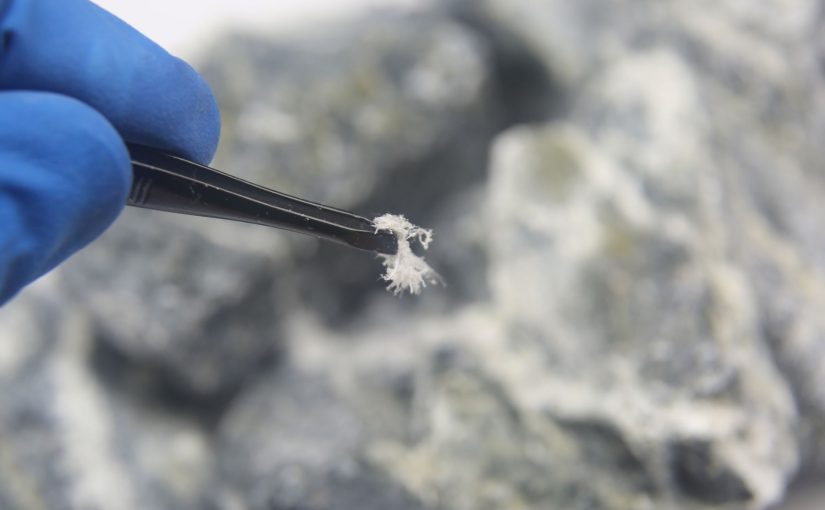
Asbestos fibers are so small they are invisible to the naked eye. The asbestos is usually mixed with cement or woven into fabric. Common asbestos-containing materials include:

  • Pipe and boiler insulation
  • Sprayed-on fireproofing
  • Vinyl floor tiles and sheet flooring
  • Roofing shingles and siding
  • Cement sheet, millboard, and paper

These materials are often gray, white, or brown. Pipe insulation is corrugated or ribbed. Asbestos floor tiles are typically 9×9 inches. The only way to know for sure is to have a sample analyzed by a qualified asbestos inspector.

Where Can Asbestos Be Found?

Areas most likely to contain asbestos materials in buildings include:

  • Basements and attics used for insulation
  • Boiler and furnace rooms used for insulation on pipes and tanks
  • Roof coatings and roofing felts
  • Ceilings and walls used for fireproofing, soundproofing, or decoration
  • Vinyl flooring, especially 9×9 inch tiles

Asbestos can also be found in cement, putties, caulks, adhesives, and automotive parts like brake pads. Always exercise caution and call in an expert if you suspect asbestos-containing materials in your home.

Warning Signs of Asbestos

Be on the lookout for these signs that may indicate the presence of asbestos:

  • Peeling, cracking, or damaged materials
  • Powdery debris from pipe insulation or ceiling/floor tiles
  • Corrugated, ribbed, or wrapped insulation on pipes and tanks
  • 9×9 inch vinyl floor tiles, especially if layered under carpeting
  • Sprayed-on or troweled-on ceiling finishes like popcorn or stipple

Friable (easily crumbled) materials that are deteriorating have a higher chance of releasing asbestos fibers into the air. This puts you most at risk for inhaling the dangerous fibers.

Next Steps If You Suspect Asbestos

If you have an older home and suspect asbestos-containing materials are present, take the following steps:

  1. Stop disturbing the material immediately
  2. Restrict access to the area
  3. Consult an accredited asbestos inspector to assess and take samples
  4. Have samples analyzed by an accredited asbestos lab
  5. Develop an asbestos management plan if results are positive
  6. Hire an accredited asbestos abatement contractor for removal

Trying to remove asbestos yourself without proper training and equipment can make you sick. Leave it to the professionals!

Frequently Asked Questions

What are the health risks of asbestos exposure?

Asbestos fibers can cause lung scarring and inflammation that leads to diseases like asbestosis, lung cancer, and mesothelioma decades after exposure.

Are there safe levels of asbestos?

There is no known safe level of asbestos exposure. That’s why precautions should be taken whenever asbestos is present.

Can you see asbestos fibers?

No, asbestos fibers are invisible to the naked eye. Special equipment like microscopes are needed to view the thin fibers.

Does asbestos smell?

Asbestos itself is odorless. Some asbestos-containing products like vinyl flooring may have an odor from the asphalt, plastic, or adhesives.

Can you remove asbestos yourself?

No, only specially trained professionals with protective equipment should handle the removal of asbestos materials.

How long can asbestos stay in your lungs?

Asbestos fibers can remain in the lungs for decades and continue damaging tissue long after exposure occurred.

Is it illegal to not disclose asbestos?

Yes, sellers and landlords must disclose known asbestos materials to renters and buyers to avoid liability.

For more information on identifying and managing asbestos safely, visit the EPA’s asbestos website.

Helpful Products for Asbestos Inspection and Removal

Here are some useful products to help inspect for and handle asbestos materials:

Asbestos Testing Kits

DIY test kits can be used to take samples for lab analysis. Popular options include:

Disposable Protective Gear

Tyvek suits, respirators, gloves, and more are needed when handling asbestos:

HEPA Vacuums

HEPA vacuums specially filter fine particles when cleaning up asbestos debris:

With the right knowledge and precautions, the risks of asbestos exposure can be minimized. Stay vigilant to protect yourself and your loved ones.

How Long Do Carbon Filters Last? All You Need To Know

How Long Do Carbon Filters Last?

Carbon filters are an essential part of many water filtration systems. They use activated carbon to absorb contaminants and impurities, making water cleaner and safer to drink. But how long do carbon filters actually last before they need to be replaced? Here’s a comprehensive guide on the lifespan of carbon filters and how to get the most out of yours.

What Are Carbon Filters?

Carbon filters contain activated carbon, which is carbon that has been treated to make it extremely porous. This activated carbon has a very high surface area, allowing it to effectively absorb contaminants through a process called adsorption.

There are two main types of carbon filters:

  • Granular Activated Carbon (GAC) Filters: These contain loose activated carbon particles. Water passes through and contaminants stick to the surface of the particles.
  • Block Carbon Filters: The carbon is compressed into a solid block. Water passes through the pores of the block.

Carbon filters are used to remove chlorine, pesticides, herbicides, industrial chemicals, foul tastes and odors, natural organic material, and volatile organic compounds (VOCs) like benzene and toluene from water.

They are an important step in water filtration systems for improving water taste and removing potentially harmful contaminants.

Expected Lifespan of Carbon Filters

The lifespan of a carbon filter depends on several factors:

Factor Impact on Lifespan
Water Usage Higher water throughput shortens lifespan
Water Quality Higher contaminant levels shorten lifespan
Carbon Type Bituminous carbon lasts longer than coconut shell carbon
Carbon Amount More carbon increases lifespan

Under typical conditions, most carbon filters last:

  • 3-6 months for faucet filters
  • 6-12 months for pitcher filters
  • 9-12 months for undersink filters
  • 9-36 months for whole house filters

However, the lifespan can vary widely based on your specific circumstances. Some filters may last only a month with heavy use and contaminated source water, while others can last years with lighter use and cleaner water.

How to Tell When It’s Time to Replace

Here are signs that indicate your carbon filter needs replacing:

  • Water flow through the filter has noticeably decreased. This happens as contaminants clog up the carbon.
  • Water tastes or smells unpleasant again. The carbon’s absorption capacity is used up.
  • The filter has been in use for over 6 months. It’s a good idea to replace it as a precaution.
  • The manufacturer’s recommended replacement date or water capacity has been exceeded.

Many carbon filters contain built-in indicators that alert you when it’s time for replacement. For example, the filter may contain a sticker that changes color when the carbon is all used up. Be sure to check your filter for any indicators like this.

Getting the Most Out of Your Carbon Filter


Follow these tips to maximize your carbon filter’s lifespan and effectiveness:

  • Only use the filter for its intended purpose. Don’t use an undersink filter designed for drinking water on your whole house.
  • Choose the right type of filter for your needs. Make sure it’s designed to handle the contaminants in your water.
  • Replace the filter at least every 6 months. Don’t wait for it to clog up completely.
  • Occasionally disinfect and flush the filter according to the manufacturer’s instructions. This prevents bacterial growth.
  • Protect the filter from freezing temperatures. Freezing can crack the carbon block.
  • Don’t let water sit in the filter for long periods between uses. Stagnant water promotes bacterial growth.

If your filter is still working well after 6 months, you can continue using it longer. But replace it at the first signs of decreased performance. Don’t compromise your water quality and health by using an expired filter.

Frequently Asked Questions

1. Can used carbon filters be reactivated or reused?

No, used carbon filters cannot be easily reactivated or reused at home. The absorbed contaminants can’t be removed from the carbon once it’s saturated. The filters must be replaced with new carbon.

2. How do I dispose of used carbon filters?

Check with your local regulations, as disposal methods vary. Carbon filters contain absorbed contaminants so they shouldn’t go to landfills when possible. Many companies offer recycling programs to dispose of the used carbon in a safe, eco-friendly manner.

3. What happens if I use a carbon filter too long?

If you use a carbon filter beyond its lifespan, it will stop removing contaminants effectively. Impurities like chemicals and bacteria could start entering your drinking water, creating potential health hazards.

4. Can I tell how much life a filter has left?

It’s difficult to tell exactly how much life a carbon filter has left. But you can check for signs like reduced water flow, return of bad tastes/odors, or if it has exceeded the manufacturer’s recommended usage time. Replacing at 6 months is ideal.

5. Do all carbon filters work the same way?

No, there are many different types of carbon filters optimized for different uses. Faucet filters, pitcher filters, undersink filters, and whole house filters each contain specialized carbon media and configurations.

6. What contaminants can carbon filters remove?

Carbon filters are very effective at removing chlorine, pesticides, industrial chemicals, VOCs, bad tastes and odors. But they can’t remove heavy metals, fluoride, bacteria, or many inorganic contaminants.

7. Can I clean and reuse carbon filters?

No, carbon filters are not meant to be cleaned and reused. The contaminants bond at a molecular level to the carbon and can’t be removed with cleaning. The filters must be replaced at their end of life.

Recommended Products

1. CuZn UC-200 Under Counter Water Filter

The CuZn UC-200 uses coconut shell carbon to provide up to 6 months of contaminant removal for sinks. NSF certified to remove over 70 contaminants. Easy DIY installation under sink or counter. Ideal for drinking water filtration.

2. AquaBliss High Output Universal Shower Filter

Remove over 90% of chlorine from shower water with this universal shower head filter. Attaches to any shower arm and lasts up to 1 year. Reduces dry skin and damage from chemicals and sediments.

3. Aquasana Whole House Carbon Water Filter

This complete whole house water filtration system is made in the USA and removes over 97% of chlorine. Also effective reduction of VOCs, pesticides, and other contaminants throughout your entire water supply.

The Bottom Line

Carbon water filters provide an important protective barrier against harmful contaminants. But their effectiveness eventually wears out over time. By replacing them at least every 6 months, you can continue enjoying clean, filtered water. Check for signs of reduced performance and don’t let expired filters compromise your health. With regular replacement, carbon filters will keep providing pure water for many years to come.

The Hidden Dangers of Asbestos Fibers on Shoes

Asbestos on Shoes: A Hidden Danger

Asbestos fibers can cling to the soles of shoes if you walk through contaminated areas. This poses a risk as the fibers can later be inhaled and cause serious health problems. Here’s what you need to know about asbestos on shoes and how to stay safe.

Why Asbestos Fibers Stick to Shoes

Asbestos is a naturally occurring fibrous mineral that was commonly used as insulation and fireproofing in buildings until the 1970s. When old buildings containing asbestos are renovated or demolished, tiny asbestos fibers are released into the air and can settle onto surfaces, including the ground.

These microscopic fibers can cling to the soles and tread of shoes as you walk through contaminated areas. The fibers stick due to static electricity and moisture on the soles. The grooves and texture of shoes also provide places for the jagged asbestos fibers to lodge.

Dangers of Asbestos Fibers on Shoes

Asbestos is a known carcinogen. Inhaling or ingesting the microscopic fibers can lead to serious diseases like mesothelioma, lung cancer, and asbestosis decades later. Even small amounts are dangerous.

When asbestos fibers are stuck to the bottom of shoes, they can later get kicked up into the air where they can be inhaled. They can also be tracked into homes and buildings, spreading contamination.

Protecting Yourself from Asbestos on Shoes


Here are some tips to avoid exposure from asbestos fibers clinging to shoes:

  • Avoid walking through areas known to be contaminated with asbestos, such as construction or demolition sites of older buildings.
  • Wear disposable shoe covers when entering potentially contaminated areas.
  • Leave your shoes outside when entering your home after being in an area that may contain asbestos.
  • Wash work shoes frequently to remove any fibers.
  • Wet wipe shoes before entering your vehicle to avoid tracking in fibers.
  • Have shoes professionally cleaned at an asbestos remediation company if highly contaminated.

Asbestos Exposure FAQ

How are you exposed to asbestos?

The main ways people are exposed are inhaling asbestos fibers in the air or ingesting fibers. This can happen when asbestos-containing materials are disturbed, releasing fibers that can be inhaled or swallowed. It can also occur when asbestos on clothing, shoes, or other objects creates dust that gets in the air.

What are the symptoms of asbestos exposure?

There are often no immediate symptoms. Asbestos-related diseases like mesothelioma can take 10-50 years to develop after exposure. When symptoms do occur, they include shortness of breath, a persistent cough, chest pain, unexplained weight loss, and fatigue.

Is there a safe level of asbestos exposure?

There is no known safe level of asbestos exposure. That’s why it’s so critical to prevent any exposure in the first place. Even small amounts can potentially cause health issues down the road.

Can asbestos exposure be fatal?

Yes, asbestos exposure can lead to deadly diseases. The two main causes of asbestos-related deaths are mesothelioma and lung cancer. The prognosis for these diseases is poor, so preventing exposure is critical.

Should I get tested for asbestos exposure?

There is no general screening test for asbestos exposure. Doctors may order imaging tests like CT scans or MRIs if you have symptoms of an asbestos-related disease. The best step is to prevent any exposure in the first place.

Can asbestos cause cancer?

Yes, asbestos is a known carcinogen. Inhaling asbestos fibers can cause lung cancer and mesothelioma, a rare cancer of the lining of the lungs and abdomen.

Is there a cure for asbestos poisoning?

There is no cure for diseases caused by asbestos, like mesothelioma. Treatment focuses on slowing the progression of the disease and managing symptoms. Again, this highlights the importance of preventing any exposure in the first place.

For more information, visit the EPA’s asbestos webpage.

Why Does Air Conditioning Make Me Sneeze? Causes and Solutions

Why Does Air Conditioning Make Me Sneeze And What Can I Do About It?

Air conditioning is supposed to keep us cool and comfortable, but for some people, it has the unfortunate side effect of causing sneezing fits. If you find yourself sniffling and sneezing every time you turn on the AC, you’re not alone. Many people experience allergy-like symptoms from air conditioning due to a variety of factors. Read on to learn why air conditioning makes you sneeze and what you can do to reduce or prevent AC-induced sneezing.

Why Does Air Conditioning Make Me Sneeze?

There are a few potential causes for sneezing when the AC is on:

  • Dry air – Air conditioners cool air by removing moisture, which can dry out your nasal passages and stimulate sneezing.
  • Dust – Air ducts and vents can accumulate dust and pollen over time, which then get blown around when the AC turns on.
  • Mold – Excess moisture from air conditioning systems can promote mold growth, and mold spores get distributed through the vents.
  • Chemical irritants – Some people may be sensitive to the refrigerants or lubricants used in AC systems.
  • Sudden temperature change – Going from hot outdoor air to a heavily air conditioned room can shock your system and cause sneezing.

If you only sneeze when directly in front of a vent, it’s likely due to blasts of cold, dry air or irritants blown directly at you. But if you sneeze frequently whenever the AC is running, regardless of where you are, you may have generalized sensitivity to one of the factors mentioned above.

Tips to Reduce Air Conditioning Sneezing

While you can’t fully prevent AC-related sneezing without avoiding air conditioning altogether, you can take steps to minimize it:

  • Use a dehumidifier – Adding moisture back into the air can help counteract the drying effect of air conditioning.
  • Change filters frequently – Replace AC filters once a month to reduce dust buildup.
  • Clean vents – Wipe down vents to eliminate dust and mold.
  • Adjust vents – Direct vents away from you to avoid direct blasts of air.
  • Close windows – Keep windows closed when AC is on so pollen and outdoor irritants stay outside.
  • Take allergy medication – Antihistamines can help control sneezing from allergic reactions.
  • Use a saline spray – Saline nasal spray moisturizes nasal passages and washes out irritants.
  • Wear a mask – Wearing a face mask filters out some triggers.
  • Use a portable air purifier – An air purifier near you can remove irritants.
  • Gradually adjust – When going from hot to cold, give your body time to slowly acclimate.

Trial and error may be needed to pinpoint which solutions help you most. Be sure to give each strategy 2-3 weeks to work before trying another. If sneezing persists despite your best efforts, talk to an allergist about prescription medication options.

When to See a Doctor About Air Conditioning Sneezing

Occasional sneezing from air conditioning is normal, but seek medical advice if:

  • Sneezing is severe and consistent whenever AC is on
  • Sneezing persists despite trying various remedies
  • Other allergy symptoms occur too like itchy eyes, runny nose, coughing, or wheezing
  • You have difficulty breathing during AC-induced sneezing fits

A doctor can help identify if you have underlying allergies or sensitivities exacerbated by air conditioning. They may recommend medications like antihistamines, nasal steroid sprays, or immunotherapy. For severe cases, they may suggest further evaluation by an allergist.

When to Call a Professional About Your Air Conditioning

If you’ve ruled out medical causes or have those under control but sneezing from the AC continues, your air conditioning system itself may be the culprit. Signs it’s time to call an HVAC professional include:

  • Musty odors coming from vents
  • Excess humidity in the home
  • Visible mold growth around vents or insulation
  • Water dripping from vents
  • Ice buildup on cooling coils
  • Frequently clogged filters

Any of these issues can allow mold, bacteria, or other irritants to grow and get blown into your home’s air. An HVAC technician can inspect for underlying problems, clean your ductwork, sanitize your system, and make any necessary repairs.

FAQ About Air Conditioning and Sneezing

Why does air conditioning make me sneeze but not other people?

Some people are just more prone to sneezing from air conditioning due to inherently sensitive nasal passages or undiagnosed allergies. Older AC units or ductwork may also harbor more dust or mold.

Are AC-related sneezes seasonal?

Sneezing from air conditioning often gets worse during peak allergy seasons when more pollen, mold, and irritants are in the outdoor air being pulled inside. This causes more reaction when those particles get blown directly at you.

Why does my AC make me sneeze at night specifically?

As pollen counts and outdoor irritants rise through the day, air conditioning circulates more of those particles through your home’s air at night. Lying flat also allows nasal drainage to accumulate and further irritate your nose.

Can new AC units cause sneezing?

Yes, new AC units can actually stir up more dust and irritants at first as they disturb any buildup in your ducts from construction or the previous system. Sneezing usually improves after a few weeks of regular use.

Does turning up my AC make sneezing worse?

Yes, setting your AC to higher cooling levels removes more moisture from the air, which can further dry out and irritate nasal passages. Keep temperatures moderately cool.

Should I get a whole-home humidifier?

Portable room humidifiers are usually sufficient. Whole-home humidifiers cost more to install and maintain, and improper humidity levels promote indoor mold growth.

Can I be allergic to my AC itself?

It’s rare, but some people are allergic to components used in AC manufacturing like metals, lubricants, or rubber. This causes year-round sneezing only when directly exposed to the AC airflow.

When should I replace my AC unit?

If your air conditioner is over 10 years old and you have chronic sneezing issues, replacement may be worthwhile. Newer systems have better filtration to remove allergens from the air.

The Bottom Line

Air conditioning is meant to provide comfort, not cause sneezing fits. But for some sensitive individuals, AC can induce allergy-like symptoms. Try the tips provided in this article to minimize air conditioning sneezes. Talk to your doctor if symptoms persist or worsen over time. Identifying and treating the underlying cause, whether it’s allergies, chronic sinus issues, or problems with your HVAC system, is key to finding relief.

For more information, check out the American Academy of Allergy, Asthma, and Immunology’s article on air conditioning tips for allergy sufferers.