
How Did the Winix PlasmaWave Slip Through the Cracks? Review

If you do a casual search on Amazon for the broad subject “air purifiers” , you’ll quickly come across the Winix Plasmawave pretty fast. 

Winix PlasmaWave 5500-2: Popular, Powerful—and a Little Controversial

Winix PlasmaWave 5500-2 is the latest greatest air purifier by the company and it generally gets outstanding reviews.
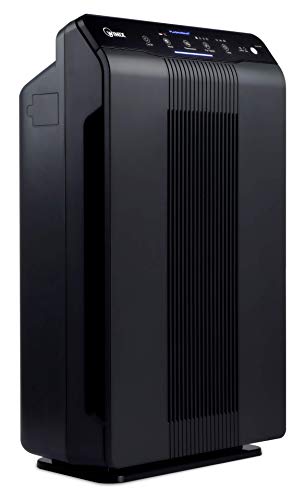

Check the Price of the Winix Plasmawave 5500-2 on Amazon Here

The first thing you notice right off the bat is the fact that it says it creates no harmful ozone.

Now I know that there are air purifier companies that make ionic air purifiers that do not list any type of ozone production simply because the amount of ozone created is below the federal limit of .005 parts per million.

And if it is a negligible amount of ozone and it doesn’t cross over the Federal limit, then who am I to say that there needs to be a disclaimer.

But that’s not the case with the Winix PlasmaWave, It actually says it creates no HARMFUL ozone.

Plasma wave technology is one of the best air cleaning technologies available. But any type of technology that creates ions is going to create at least a small amount of ozone.

And it’s not like you can hide the smell of ozone either. It’s hard to say it doesn’t create ozone when you can smell it pretty easily.

And many of the reviews for the Winix PlasmaWave say they can smell ozone coming from the machine.

The keyword here is “harmful”. The Winix plasma wave advertises that it creates no harmful ozone.

It doesn’t say it doesn’t create any ozone at all. Just not a harmful amount. 

ozoning a house

I think it’s pretty obvious why, ozone is a word that strikes fear and so many people’s minds that having an air purifier that says it creates ozone is like signing a death warrant for it.

Is Plasmawave Technology Harmful?

PlasmaWave uses electricity to get rid of pollutants in the air. A process that generates both positive and negative ions. When it does this, a tiny bit of ozone is made. Ozone can be bad to breathe in large amounts. But PlasmaWave makes such a small amount of ozone that it is not dangerous.

The Food and Drug Administration says up to 50 parts of ozone per billion (ppb) of air is safe. PlasmaWave makes only 3 ppb. That is far below the safety limit.

So even though a tiny bit of ozone is made, the amount is negligible. The benefits of cleaner air outweigh the minuscule ozone produced. PlasmaWave air purifiers let you breathe cleaner air without worrying about harmful ozone levels.

Are Carbon Filters Washable?

The second thing about the Winix advertisement that is a little misleading is the fact that it says it has a washable carbon filter.

Activated carbon filters that are used in air purifiers have to go through the activation process in order for gases and odors to bind to them. The problem is that the activation process involves heating the filter to around 1000°.

Carbon filters are very much like a sponge with thousands of pores that adsorb gases and binding them to the walls of the pores.

Getting a Activated Carbon filter wet can:

  • Reduce Absorption: The activated carbon’s ability to absorb pollutants and odors will be significantly reduced or even eliminated. The water will clog the pores where the adsorption process happens.
  • Mold Growth: Wet conditions can foster mold and mildew growth within the filter, releasing harmful spores into the air you breathe.
  • Damage: The fabric or mesh casing might degrade or tear depending on the material and exposure to water.

Once the area of the carbon is used, it can only be replaced and washing it with soap and water will not reactivate it. 

The carbon filter in the Winix plasma wave is more like a container that has carbon granules in it. So it does lend itself to vacuuming and brushing any debris off of it.

But saying that it has a washable carbon filter is misleading.

Technically they can say these things, because like I said before, the amount of ozone being generated by the Winix is not enough to be dangerous or considered unsafe, nor does it cross over the federal limit. 

And though you cannot wash the carbon filter in the Winix with water, it can technically be vacuumed and brushed off.

So yes it comes down to semantics. But they are hardly the the only air purification manufacturers using advertising like this. I would venture to say that they’re are very few ionic air purifier salesmen freely giving up their ozone emissions.

Is Plasma Wave Effective?

But then again…There are very few competitors that can compete with the Winix PlasmaWave on Performance.

Winix PlasmaWave might have slipped through the cracks being that it is an electronic air purifier with ionic technology that somehow made it to the forefront and is sitting on the front row as one of the best air purifiers available.

Plasma Wave  technology stands out for several reasons:

  • Advanced Ionic Technology: Utilizes bipolar ionization to produce positive and negative ions. These ions actively seek and neutralize airborne pollutants such as viruses, bacteria, mold, and allergens.
  • Eco-Friendly Approach: Mimics natural air purification processes found in the Earth’s atmosphere, providing a chemical-free solution to air purification.
  • Effectiveness: Studies have demonstrated its capability to neutralize a variety of pollutants. However, its efficiency can be influenced by environmental factors and pollutant types.
  • Comparison with Other Methods: Unlike traditional HEPA filters and UV light purifiers, Plasma Wave technology requires less maintenance, as it doesn’t rely on filter replacements, making it a cost-effective option.
  • Research and Practicality: Ongoing research is essential to validate the practical effectiveness of Plasma Wave technology in various settings and ensure that its theoretical benefits translate into real-world improvements in air quality.”
    You can read more on Sciencedaily.
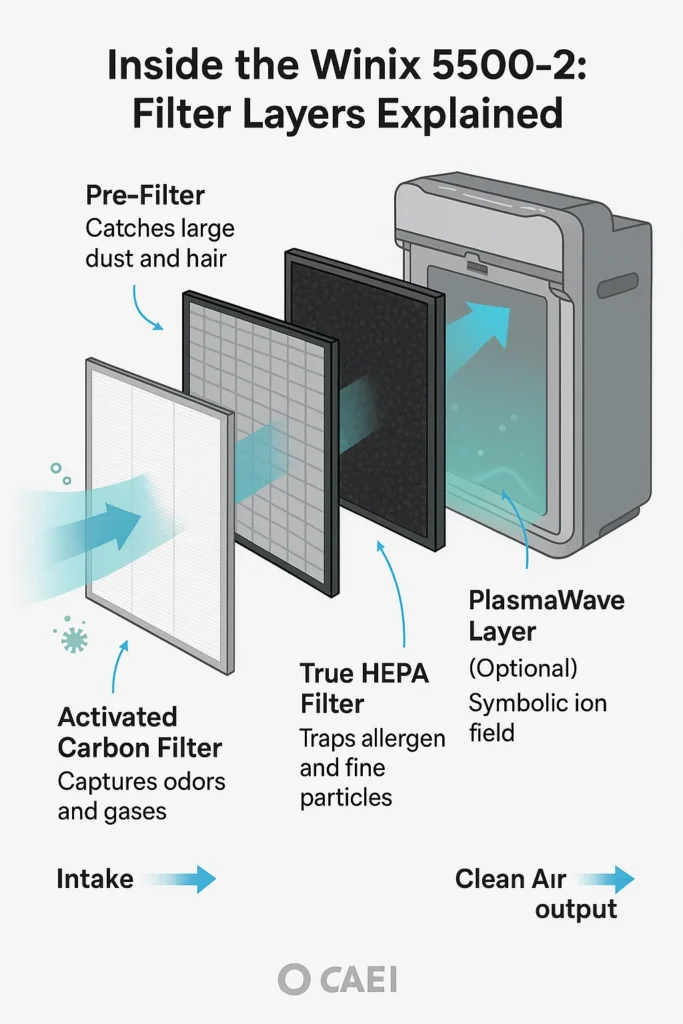
picture showing the filter breakdown of the Winix Plasmawave 5502 air purifier with the optional level of plasmacluster filtration


Personally, it is the Plasma Wave function that the controversy is all about, that would make me purchase this air purifier over the other top air purifiers like the Levoit or the Blue Air.

There are scores of air purifiers listed on Amazon alone. You can look on the Walmart app and see another huge list that is not on Amazon.

But they all have one thing in common, or should I say three?
They all use a three-stage filter that combines a pre-filter for large debris, a carbon filter for gases and odors, and a true HEPA filter for contaminants and particles floating in the air.

Winix uses the same 3 Filter set up as all the rest. But…

The plasma wave function of the Winx 5500-2 will actually eradicate bacteria and germs as well as viruses. 

Having the plasma wave option on an air purifier is the exact reason I would want to own an air purifier.

Yes I am aware that too much ozone can cause breathing difficulties in too high of quantities.

But I am prepared to turn the Winix plasma wave function on and leave the house if needed. I’m also ready to let the house air out if I were to need to.

And one of the biggest points is, the PlasmaWave function can be turned on and turned off whenever you want it or vice versa.

There’s one other thing that I like about the Winix PlasmaWave that most of the other top Air purifiers do not have.

The HEPA filter is completely separate from the carbon filter. 

Most every popular air purifier these days comes with a Hepa and carbon filter combined into one. And though I can see the convenience in it, the real truth is that I don’t always need or want both filters replaced at the same time. And isn’t one of the points of their advertising that you can clean their carbon filter?

Q&A

What is the Winix air quality indicator?

The Winix air quality indicator is a light that shows the quality of air currently in your room.

What are the air quality indicator colors?

The air quality indicator colors on a Winx PlasmaWave are Blue, Amber, and Red. When the light is shining Blue, your air quality is good. When it is shining Amber, you have normal to Fair air quality. Red means poor air quality.

What does it mean when the Winix air quality indicator stays Blue?

Blue is the best you can do. It means your air quality is very good.

How often should I replace the filter in my Winix 5500-2?

The filters in the Winix 5500-2 should typically be replaced once a year. However, this can vary based on usage and air quality. Regularly check the filter condition and replace it if it appears heavily soiled or damaged.

Can the Winix 5500-2 purifier remove pet dander and allergens effectively?

Yes, the Winix 5500-2 is effective at removing pet dander and common allergens. Its HEPA filter captures 99.97% of airborne particles, including pet dander, pollen, and dust mites.

Is the Winix 5500-2 suitable for large rooms? What is its maximum coverage area?

The Winix 5500-2 is designed for medium to large rooms and can effectively purify the air in spaces up to 360 square feet.

Does the Winix 5500-2 feature a sleep mode for quieter operation at night?

Yes, the Winix 5500-2 has a sleep mode which reduces its operation noise for a quieter environment, making it ideal for night-time use in bedrooms.

How does the PlasmaWave technology in the Winix 5500-2 work to clean the air?

PlasmaWave technology in the Winix 5500-2 generates hydroxyls to neutralize viruses, bacteria, odors, and gases, effectively breaking down pollutants at a molecular level without emitting harmful ozone.

Can I control the Winix 5500-2 Air Purifier remotely or via a smartphone app?

The Winix 5500-2 does not have built-in smart connectivity for remote control via a smartphone app. It is operated using its physical control panel or the included remote control.
graphic showing the claims and truths about the Winix Plasmawave Air Purifier

Summary

Is Winix’s PlasmaWave advertisement misleading?

I do believe that it is meant to misconstrue on a couple of points. Being that it says it creates no harmful ozone but that’s only when the plasma wave function is not on or they’re really trying to say that it doesn’t create enough ozone to be considered harmful.

And it says it has a washable carbon filter. But washable in this case can only really mean vacuuming or brushing it off. It will still have to be replaced.

But on another level, I have to agree that this air purifier is much better than most of the most popular brands listed at the top of the page right now.

Without exception, all the air purifiers use the exact same technologies: true HEPA, activated carbon, and a pre filter. Winix PlasmaWave 5500-2 actually gives me the option of using a Plasma Wave Bipolar  that the other air purifiers do not. And it’s not like I can’t turn the function off when I do not need it.

And did I mention that the HEPA filter in the Winix PlasmaWave is separate from the carbon filter. A big plus when you don’t need or want to switch out both filters at once.

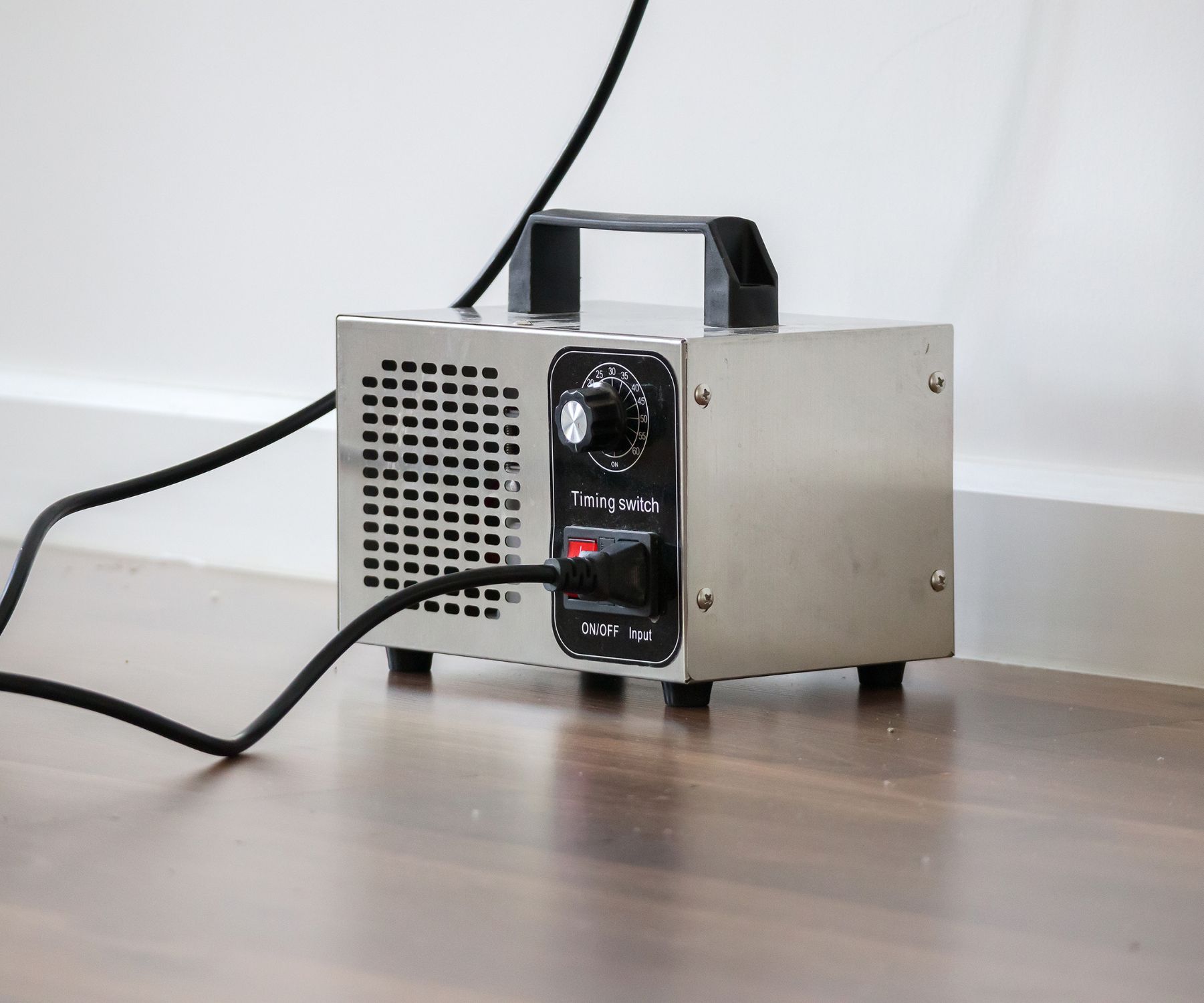
How Does an Ozonator Work? Understanding and Using Ozone Generators


How Does an Ozonator Work?

An Ozonator works by creating high levels of trioxygen by either:

  1. Corona discharge. A type of thunderstorm simulation that creates a high voltage arc between two dialectics.
  2. UVC. A type of sunlight simulation that uses ultraviolet light with a wavelength of 254 nanometers do split oxygen.

Ozone is oxygen with a third molecule. Or O3. This extra molecule is highly reactive and oxidizes anything it comes in contact with. After it reacts,  it reverts back to oxygen. Or O2.

What Does an Ozonator Do?

An Ozonator or ozone generator as they are called more often, emits ozone into an area for the purpose of removing pollutants from the air as well as surface.

Ozone has  the capacity to destroy just about every organism in an air space including mold spores, lingering cigarette and tobacco residues, and odors.

what does an ozonator doWhat does ozone smell like?

It is most recognizable as the effect of a lightning storm that charges all the particles in the air as it rolls through.

And this is also why many people say that the smell of ozone reminds them of an after a thunderstorm scent.

The smell of ozone can also be compared to the smell of bleach or antiseptic.

The result of a thunderstorm is freshness. Pure air has the same effect on you as drinking a glass of water that has all the necessary minerals that you are craving.

Why are ozone generators considered dangerous?

It is because ozone is so effective at oxidizing every pollutant in the room, it will also oxidize the tissue in your lungs.

You may argue that if we were not breathing dirty air all the time that ozone would have no effect at all on your lungs. Because there would be no pollutants in your lungs to oxidize.

But obviously that’s not how it is and that’s not the world we live in, so

Ozone can be very dangerous to breathe and that is why it is not considered safe to use as the typical air purifier you leave on while you go about your daily household business.
And definitely not while you’re sleeping. 

air purifier vs ozone generatorAir purifier vs. Ozone generator

Air purifiers use filters to filter out contaminants in the air.

Ozone generators on the other hand, create high levels of ozone in a short amount of time as a means of odor abatement.

Air purifiers are considered safe because they are basically a fan pulling air through filter

Ozone shock treatments are performed only after a area is cleared of people, pets, or any plant life.
That’s worth saying again. They are not intended to be operated in the vicinity of people, of animals, or plants.

How long does it take ozone to dissipate after you use a ozone generator?

The best answer is to err on the safe side and give it a few hours to ensure your safety.

As you may guess, the answer varies with both strength of the generator and the length of time it is operated.

That being said, ozone has a short life and most experts agree that it will revert back to breathable oxygen in about 30 minutes.

Do ozone generators remove cigarette smoke odor?

Yes. Ozone will oxidize the over 4000 chemicals that make up cigarette smoke and eliminate the lingering smell.

Cigarette and cigar odors tend to travel to every nook and cranny they can find.
And because of the tar residue that that is part of tobacco smoke, it adheres to everything, especially carpets, drapes, and furniture.

That’s why cigarette and smoke odors seem so hard to get rid of and keep lingering on for years.

Ozone will travel in a similar path as cigarette  smoke and break down the the molecules that are causing the odor, even the molecules that have glued their self to your furniture.

Automobiles that have been used by smokers that smoked inside their vehicles can have a very persistent third hand smoke presence.

Detailers use ozonators to return a vehicle back to a new car smell that people love.

Does ozone kill bugs?

Yes. Ozone will kill bugs when it is used but it is a temporary solution at best.  It does not take the place of a regular exterminator or a plan to keep bugs from coming back.

Ozone is primarily used as an odor remover.

And though any bugs that get trapped in the area while the room is being treated with ozone will be killed,

Once the ozone has dissipated, the bugs will be back. Most bugs will just run away while the room is being treated, and come back when the coast is clear.

Does Ozone kill bed bugs?

It is the same with bedbugs as any other bugs, If they are trapped in the room with the ozone, they will die.

But when the ozone is dissipated they will come out of every outlet and nook and cranny.

Ozone is not a good solution for bed bugs.

Ozone Mold

A Ozone generator will kill any exposed mold or fungus in the room it is operated in. Any airborne mold spores will be a goner.

But similar to the effect you get with insects is what you get with mold.

If you have a problem with mold before you use the ozonator, you will still have a problem afterwards.

Ozone will only treat the symptoms.
It will not do any physical cleanup or identify and fix the original problem.

Nor will it travel through to the inside of the wall cavities, where a great deal of mold can be found.

Mold is primarily a moisture problem inside of the house or building. Until you find the source of the moisture and fix it, any type of cleaning is just going to be a temporary fix.

How to use an ozone generator at home.

Ozone generator safety precautions

  1. Do not operate around people, animals, or plants.
  2. Use caution tape to clearly identify the area as a “Do Not Enter” zone.
  3. Let the ozone completely dissipate before re-entering the area. At least 30 minutes.
  4. Outlet Timer. Use a timer to turn the unit on and off. most ozone generators come outfitted with a timer, but if yours does not have one, you can use an outlet timer
  5. Remove flammable gases. Though ozone is not flammable, it can help accelerate a fire if one were to break out.
  6. No smoking in the area.

Getting the best results out of an Ozonator.

1.Use the appropriate size generator for your area.

Too small of an ozonator will not accomplish much and only make the air unbreathable.

Using to large of an ozonator will increase the amount of time you will need to wait before re-entering the area.

2.  Vacuum the carpets.

Getting the smell out of the carpets will be much easier if there is not debris and dust all over them.

3. Mop floors and wipe down surfaces.

The same principle as vacuuming the floors. Ozone will have a much easier time getting rid of deep smells if it doesn’t have to get through a film of dirt or grime.

4.  Center the ozone machine in the middle of the room.

5.  Start small. It is always better to use the machine for a shorter time then check the results.
You can always run it again and turn it up a little if you need.

The problem with ozone not dissipating the way it should can linked to too much ozone being blasted for too long.

According to some experts, you can get into an arena where VOCs begin to break up and form other types of gases when exposed to heavy ozone too long.

This is not result you’re after. It is much better to start small then have to deal with a problem like that.

Ozone Generator Applications

1.  Hotel rooms.

A smoking room can be transformed into a non-smoking room.

A non-smoking room that has been smoked in can be restored.

Cooking smells. Many hotels come with kitchenettes that can produce strong lingering odors. A ozone generator can oxidize the strong odors and return the room to freshness.

Bacteria, germs, and viruses.
The amount of traffic a hotel room sees can leave all sorts of nasty germs. Ozone can sanitize everything in the room.

2.  Vehicles

Cigarette and cigar odors can permanently saturate the inside of a car or truck.
Auto detailers can use a ozone generator to completely remove the smell of third hand smoke from the inside of the cab of the vehicle.

3.  House flipping and rental remediation.

The smell left behind from a tenant or previous owner that was a inside smoker,  can leave a big imprint on a property that is being flipped or rented.

Ozone can remove the smell of smoke from walls and floors leaving the house free of smoke smells

4.Mold remediation.
Selling or renting a house with mold issues will bring down the value drastically.

Once the source of the mold is identified and fixed, an ozone generator can be used to clear out mold spores as well as the musky smell left behind.

Will Ozone Remove The Smell Of Cat Urine?

Will ozone work on cat urineThe answer is mostly no. Cat urine typically gets deep down into the carpet underneath the floorboards.

Ozone is a topical oxidizer and doesn’t get underneath the carpet or inside the walls.

There are different oxidizer solutions you can put on cat urine if the problem is not too extreme.

But you should be prepared to rip the carpet out if you have a strong stench.

Ozone Water Treatment

How does ozone water treatment work?

Ozone or trioxygen oxidizes metal, magnesium, and sulfides in H2O to form   indissoluble metallic oxidations or fundamental sulfides. These indissoluble particulates are filtered out post ozonation. Natural particulates and vocs are removed bar clotting or being chemically oxidized.

An ozone generator is used to clean water in the same way that it cleans the air except for ozone being pumped into the air is being pumped into water.

Is primarily used in wastewater to kill bacteria and germs.

A post filtration method is needed to filter out any oxidized metals or fragments that get left behind through the process.

Treating water with ozone is powerful than chlorine for removing toxins from water and doesn’t stay in the water nearly as long as chlorine.

But regardless of its efficiency, ozone remains too expensive to be used as a primary way of creating clean water.

see also:
What Does an Ioniser Do?

Is Sleeping in the Basement Bad for Your Health?

When I was younger I played lead guitar in a band that practiced in a friends basement.


The basement was covered completely in cement and had its own weird musty smell.
It was cold and damp and blaringly loud.

Creepy vibe included.

And since the band practiced in the next little town over, I had plenty of opportunities to sleep in that basement.

Not fun and not healthy either.

Is Sleeping in the Basement Bad for Your Health?

Yes. Sleeping in the basement can negatively affect your health because of two reasons.

1. Basements tend to be a breeding ground for mold and have larger concentrations of mold spores in the air.


2. People tend to breathe deeper when they sleep.

In short, sleeping in the basement is an invitation to breathe in large quantities of mold spores and allergens.


And if you’re someone like me that has sleep apnea , mold spores only aggravate the situation further.

Sleeping in the basement is not bad for your health as long as you have a nice dry basement.

But that is typically not the case.

Basements tend to be damp and dark which creates the ideal atmosphere for mold to grow.

Mold is a fact of life and it is everywhere. You are literally kicking up mold and breathing it, in any situation where your walking outside.

But being in a situation,
like sleeping in the basement where you were forced to breathe concentrated amounts of mold spores,

you may find that you are struggling to breathe.

And since people tend to breathe in deeper when they are sleeping, sleeping in a damp basement is not a good ideal.

basement airSleeping in the Basement Tips

If you’re planning on sleeping in the basement more than a just one off or once in awhile, you may want to look into some different ways you can make your basement more inhabitable.

1. Clean it up

Because basements do tend to be damp and dark, there is usually mold growing somewhere either on the walls or the ceiling or the floor.
Before you get started moving in or with any construction you’re going to have to clean the mold up first.

What is better for cleaning mold? Bleach or Vinegar?


A tip : Bleach is usually the first thing that comes to mind when it comes to cleaning mold off of the wall or surfaces. But in actuality, vinegar will do a much better job. The reason is it can get below the surface into pourous areas where as bleach will only get the surface.

When you’re cleaning mold with vinegar you’ll need to get you some non-porous gloves because vinegar is an irritant to skin.

Also a good spray bottle will be handy.

The ideal is to saturate the mold with vinegar and let it sit for at least an hour before scrubbing it off.

Dark and damp areas also attract a lot of bugs and rodents.

Mold spores are not the only thing in the basement that will cause allergies to flare. There is also most likely going to be a lot of mice and roach feces.

Roach droppings can be a significant trigger for an asthma attack and also cause multiple allergy symptoms like itchy eyes and wheezing. As well as ear infections just to name a few.

Mice droppings or even more scary because they have diseases like salmonella and hantavirus connected with them.

The Point is you do not want to be sleeping with insect and rodent droppings in the same room. It’s not only nasty it can also be a significant health hazard.


A disinfectant or bleach is going to be best for cleaning up mice and roach droppings.

But remember this isn’t the same process as cleaning mold and you shouldn’t mix bleach and vinegar or use them in the same room at the same time because they will create a toxic concoction when they are combined.

1. Use a vacuum to pick up the droppings.
2. Spray the area generously with bleach and lit sit for a hour or so to completely disinfect the area.
3. Then mop and rinse.

Dry it up

Cleaning up the mold is not going to be enough to keep it from coming back. You are still going to have the same recipe for mold that you had before you cleaned unless you do something to reduce the humidity in the basement.

Since basements are typically made from concrete there can be cracking in the walls which will allow for moisture and leaks.

The cracks need to be sealed and filled.
Same goes for any pipes in the basement. Without fixing leaks, you will find yourself back in the same situation of mold growing on your surfaces.

Cracks in cement can be filled with Great Stuff.
If your not familiar with this product, it is insulation in a can.

When Great Stuff it is sprayed, it expands a great deal. Enough that is will expand deep down into any crack you use it on.

After is has dried, you’ll want to cover the cracked area with a concrete sealant.

It is not uncommon for great stuff to expand so much that you have to cut it back or scrape it off.

The best practice when using Great stuff or any other canned insulation is to test it out on a small area first and see how much you’re going to need.

I promise you it will be well worth the little extra time it takes to do a test because of the amount of time it will take to cut all that stuff back if you spray too much.

Dehumidifiers

A dehumidifier is the suggested appliance for reducing the moisture in the air of the basement.
A dehumidifier is just what it sounds like, a machine that takes humidity out of thes air.

After all the mold is cleaned, the rat & roach droppings vacuumed and disinfected, and every leak patched,
Keeping a dehumidifier running will help you keep the status quo.

Test for Radon

Radon is a colorless and a odorous radioactive gas that and build up in the basement as well as the rest of the house quite easily.
It sounds quite nemesising as well as it should be because of the risk of cancer that radon carries.
But testing for Radon can be easy and inexpensive. There are some services that supply testing kits that you need to send in to have a lab analysis done on or you can keep it simple and own radon detector that will have a Audible indicator if radon gas becomes too high in your room.

FAQ

What to do if you discover you have radon in your basement?

There are some do-it-yourself ways to prevent radon gas from becoming a problem in your basement as well as some diy things you can do to remediate if you discover you have a problem after testing for it.

1. Caulk and seal any cracks
2. Install plastic sheeting under flooring and wall insulation. An easy solution if you’ve yet to do any construction in the basement yet.

BUT. The EPA recommends that you hire professional to have proper ventilation installed. And depending on what point you are at in the remodeling of your basement to sleep in it, hiring a professional maybe the less expensive and also provide the xtra peace of mind that it has been taken care of properly.

How can I improve the air quality in my basement?

An air purifier is also a appliance that would be worth investing in to keep the air quality in the basement livable.

Basements tend to be closed off with very little air flow. Because of this fact, air pollutants can accumulate easier.

Vocs which are the air pollutants usually known for being things like paint fumes, cleaners, even crafting supplies, etc, can become very high in a closed-off room like a basement.

Are air purifiers good for basements?

The suggested technologies to look for in an air purifier are going to be HEPA and Carbon filters. HEPA filters are designed to capture pollutants of small is .3 microns which is basically the size of bacteria. Carbon filters are dense enough to capture odors and gases.

Will a air purifier help with basement smell? Will a dehumidifier help with basement smell?

Yes both an air purifier and humidifier will help reduce the musky smell in the basement. Mildew is the smell typically associated with basements.

Where there is mildew, going to be mold growing somewhere.
A dehumidifier will dry up the air and eventually replace the you smell with a fresh air smell.

Because basements are closed in areas, mildew is not the only smell that can linger. An air purifier that uses HEPA and carbon filters will capture unpleasant odors by absorbing the bacteria or gas into the filters.

There are some combination dehumidifier and air purifier all in one machines available that are virtually made for the basement.

Should I use an ionizer in the basement?

No, negative ionizers are not suggested for closed in rooms like the basement because they create a low level of ozone and ozone can build up. The build-up of ozone is the number one reason that the EPA discourages the use of air cleaners that manufacture ozone in homes.

Summary

To sum it up. The basement tends to be an area where mold and mildew have their run. Taking big breaths is part of sleeping.

That means that when you are sleeping in the basement you are setting yourself up to take big breaths of mold spores as well as the allergens and germs left behind from Mouse and roach droppings.

Sleeping should be peaceful and not hazardous.

So unless you do some things to dry the basement out and get rid of mold and bug and mice droppings , you should hold out on sleeping in the basement.

Peace

Expert Tips for Sizing and Installing Flow-Through Humidifiers


Introduction to Flow-Through Humidifiers

Welcome to our comprehensive guide on residential humidification systems, with a focus on flow-through humidifiers, an essential category of whole-home humidification.

Flow-through humidifiers are highly effective in evenly distributing moisture throughout an entire house, seamlessly integrating with your existing HVAC system.

In this article, we’ll delve into the world of flow-through humidifiers, covering their operation, types, installation, maintenance, troubleshooting, and more.

If you’re new to the topic of residential humidification, consider starting with our main guide. Also, explore our series of articles that delve into different humidifier technologies, such as ultrasonic, evaporative, and steam models.

Now, let’s dive into the world of flow-through humidifiers, which offer automation, efficiency, and optimal indoor air humidity when properly installed and maintained. Don’t miss our in-depth Humidifier Guide.

What is a Flow-Through Humidifier?

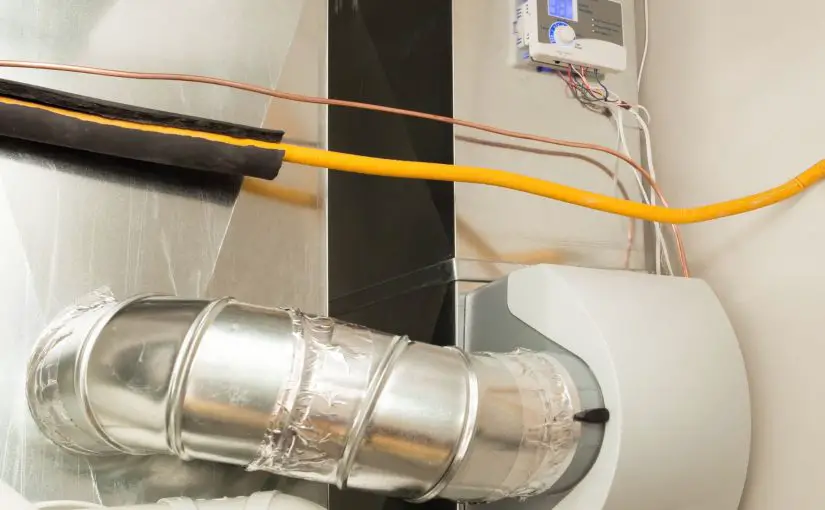
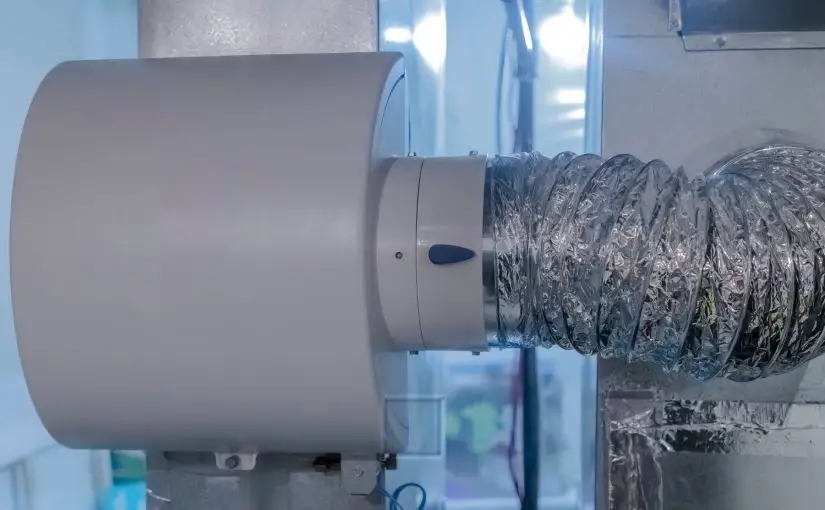
A flow-through humidifier is a type of humidifier that connects directly to your home’s plumbing and HVAC system, adding moisture to the air. The process involves water flowing through the humidifier, where a filter, wick, or membrane absorbs the water and exposes it to the HVAC system’s airflow.

How Does a Flow-Through Humidifier Work?

Here’s a simplified overview of how a flow-through humidifier operates:

  1. Water enters the humidifier from your home’s plumbing system.
  2. The water passes through a filter, wick, or membrane that absorbs it.
  3. Air from the HVAC system flows over the moistened filter/wick/membrane.
  4. Moisture evaporates from the filter/wick/membrane into the airflow.
  5. The humidified air continues through the HVAC system into your home.

Benefits of Using a Flow-Through Humidifier

Flow-through humidifiers offer various advantages:

  • Evenly distribute moisture throughout your entire home.
  • Require less maintenance than portable humidifiers.
  • Do not take up space in your living areas.
  • Can provide automatic humidistat control.

Who Can Benefit from Using a Flow-Through Humidifier?

Flow-through humidifiers are ideal for:

  • Homeowners in dry climates.
  • Individuals with respiratory conditions aggravated by dry air.
  • Homes with forced air heating systems.
  • Large homes that are challenging to humidify with portable models.

Types of Flow-Through Humidifiers

Flow-through humidifiers come in two main types:

Bypass Humidifiers

  • Description: A portion of the air is diverted through a wetted pad or filter.
  • Pros: Less likely to breed bacteria, no water boiling required.
  • Cons: Require more maintenance than power models.

Power Humidifiers

  • Description: Air is blown through a rotating disk that disperses water into the airflow.
  • Pros: Require less maintenance, no stationary wick or filter to clean.
  • Cons: May allow more bacterial growth, require a boiling water reservoir.

Installation and Maintenance

How to DIY Install a Flow-Through Humidifier

  1. Determine the optimal location on your home’s HVAC system for installation.
  2. Shut off the water supply and power to the HVAC system.
  3. Follow the manufacturer’s instructions to mount the humidifier and connect it to the water and HVAC ductwork.
  4. Seal all connections with tape to prevent air leaks.
  5. Turn the water and power back on and test for leaks.

How to Clean a Flow-Through Humidifier

  1. Turn off the water supply and power.
  2. Remove any scale buildup.
  3. For bypass models, replace the wick/filter per the manufacturer’s instructions.
  4. Remove and clean the rotating disk on power models.
  5. Reassemble and turn the water and power back on.

Maintenance Requirements for Flow-Through Humidifiers

  • Perform annual cleaning as described above.
  • Regularly replace the filter every 1-2 months.
  • Check for leaks and test the humidistat calibration.

Troubleshooting Common Problems

Why Isn’t My Flow-Through Humidifier Working?

  • Check if the water supply valve is turned on.
  • Test if the humidistat is set high enough.
  • Clean the filter or wick if it’s dirty.
  • Replace any defective parts like solenoid valves.

How Do I Fix a Leaky Flow-Through Humidifier?

  • Tighten any loose fittings.
  • Replace worn-out gaskets and seals.
  • Clean limescale buildup around fittings.
  • Repair any cracks in the evaporation chambers.

How Do I Get Rid of White Dust from My Flow-Through Humidifier?

  • Regularly clean and replace filters.
  • Use distilled or demineralized water.
  • Consider installing a reverse osmosis pre-filter.

Sizing Guide

Choosing the right-sized flow-through humidifier for your home is crucial to provide adequate moisture without over-humidifying. Follow these tips:

  • Calculate the square footage of your living space (generally, you need 1 gallon of moisture per 100 square feet).
  • Consider the number of occupants (around 10 gallons of moisture per person).
  • Check the capacity of your HVAC system and size the humidifier to the air handler’s specifications.
  • Select a model with an adjustable humidistat for fine-tuning moisture output.
  • For very dry climates or large, open floor plans, consider larger units or multiple units.

Humidistat Settings

The humidistat controls the level of moisture that the flow-through humidifier adds to your home. Follow these guidelines:

  • Start at 35% relative humidity and monitor comfort.
  • Slowly increase to 45% if more humidity is needed.
  • For infants and health conditions, 30-40% is recommended.
  • To prevent mold, keep it under 50% maximum.
  • Adjust seasonally to account for changes in climate.
  • Allow 24 hours for the humidistat to stabilize at a new setting before readjusting.

Health Benefits

Proper humidity levels between 30-50% can offer numerous health and comfort benefits, such as:

  • Alleviating symptoms of allergies, asthma, sinusitis, and other respiratory issues.
  • Preventing dry skin, cracked lips, bloody noses, and skin irritation.
  • Reducing the likelihood of cold and flu virus spread.
  • Soothing irritated eyes and contact lens discomfort.
  • Lowering the chances of vocal cord strain and respiratory infections.
  • Preventing dryness that can damage musical instruments.

Energy Savings

Maintaining proper humidity with a flow-through humidifier can improve your HVAC system’s efficiency:

  • Humidity allows the air to retain heat better, enabling a lower thermostat setting.
  • Humid air feels warmer, allowing you to lower the thermostat by 2-3°F without sacrificing comfort.
  • Fewer cycles of the HVAC system lead to improved moisture retention.
  • Estimated annual savings on heating and cooling costs range from 5-15%.

Sizing Recommendations

Here’s a general guideline for the humidity output needed based on home size:

  • 500 sq ft: 1-2 gallons per day
  • 1000 sq ft: 2-4 gallons per day
  • 1500 sq ft: 3-6 gallons per day
  • 2000 sq ft: 4-8 gallons per day
  • 250

0+ sq ft: 5-10+ gallons per day

Remember to consider climate and the number of occupants when sizing the humidifier.

Humidity Level Guidelines

Here are some recommended humidity ranges and their associated benefits:

  • 30-40%: Ideal for infants and allergy/asthma sufferers.
  • 35-45%: Comfortable for most homes.
  • 45-50%: Maximum humidity level before risking mold growth.

Monitor the humidity with a hygrometer and adjust the humidistat seasonally.

Frequently Asked Questions

What is the ideal humidity level for a home?
Between 30-50% relative humidity is recommended. Levels lower than 30% can be unhealthy, while levels higher than 50% encourage mold growth.

How do I know if my home needs a humidifier?
Signs include static electricity shocks, dry skin, cracked wood furniture, and windows fogging up. You can use a hygrometer to test your home’s humidity levels.

What size flow-through humidifier do I need?
Consider the square footage of your home and your HVAC system’s capacity to determine the appropriate moisture output, typically 20-30 gallons per day for an average home.

Can I install a flow-through humidifier myself?
Flow-through humidifiers require integration into your HVAC system, which should be done by an HVAC professional for optimal performance and safety.

How often do flow-through humidifiers need maintenance?
In general, it’s recommended to clean and replace filters annually before the heating season. Refer to the manufacturer’s guidelines for specific model maintenance recommendations.

How much does it cost to run a flow-through humidifier?
Operating costs are low, similar to running a furnace blower. Newer computerized models can optimize moisture output for even more efficiency.

What temperature should the water be for a flow-through humidifier?
Cold tap water is suitable in most cases. Some evaporative types may require warmer water. Check your specific humidifier’s manual for guidance.

Can flow-through humidifiers over-humidify a home?
Yes, a malfunctioning unit or incorrect humidistat setting can make the air too damp. The ideal relative humidity is 30-50%.

How can I improve the air quality from my flow-through humidifier?
Use distilled water to reduce mineral dust. Replace filters as per the manufacturer’s schedule. Regularly disinfect evaporative tanks.

Are flow-through humidifiers safe for pets and children?
When installed correctly by an HVAC professional and maintained properly, flow-through humidifiers are safe and hygienic.

Conclusion

Pros and Cons of Using a Flow-Through Humidifier

Pros:

  • Evenly distribute moisture throughout the entire home.
  • Automatic control with a humidistat.
  • Do not take up space in living areas.

Cons:

  • Higher upfront cost.
  • Requires professional installation.
  • Additional maintenance is required.

Alternatives to Flow-Through Humidifiers

  • Portable humidifiers.
  • Built-in evaporative systems.
  • Steam vaporizers.
  • Smart WiFi-enabled humidifiers.


Vaporizer vs Warm Mist Humidifier ( 21 Answers-Updated )

Two peas in a pod. Six of one half dozen of the other. Looks like a duck, quacks like a duck, must be a duck…

These are all phrases that remind me of a Vaporizer vs Warm Mist Humidifier compared.

What is the difference between a Vaporizer and a Warm Mist Humidifier?

A warm mist humidifier is essentially the same product as a vaporizer.

Only a Vaporizer typically comes with a chest rub additive to disseminate a soothing vapor into the air.

Both the warm mist humidifier and a vaporizer use the method of boiling water to create steam.

And steam happens to be a warm mist…

A cool mist humidifier on the other hand does not create steam like a warm mist humidifier or vaporizer.

It is a system of basically dispersing a cloud of fine water droplets into the air that are cool or at least room temperature.

Humidifier vs Vaporizer

Cool mist humidifiers according to Mayo clinic offer more relief for congestion and cold symptoms than warm mist humidifiers or vaporizers.

Conclusion:

Warm mist humidifier and vaporizer are two appliances that do the same thing. As humidity to the air through the creation of steam. A cool mist humidifier adds humidity to the air by dispersing cool humidity droplets into the air.

difference between Warm Mist Humidifier vs Vaporizer

What is a waterless vaporizer?

Imagine if you combined Vicks vapor rub with a Glade plug-in air freshener, That’s essentially what a waterless vaporizer is.

If you are looking for a way to disperse Vicks vapor rub into the air without adding humidity through the air, Waterless vaporizers or an excellent product.

And because most parents do not want to have a machine that is boiling water in their children’s room, waterless vaporizers are an excellent way to help your little ones breathe easier at night.

Warning: Waterless vaporizers may not be safe for infants under 6 months old because they can be too strong and irritate their airways.

Waterless vaporizers can also combine with a cool mist humidifier with no issues.

What’s the difference between a waterless vaporizer and a diffuser?

Both a waterless vaporizer and a diffuser disperse vapors into the air that can be beneficial and help with breathing.

But the difference in price is somewhat significant.

A waterless vaporizer is a convenient plugin that can be refilled easily for a small price. $12.

On the flip side

Although the diffuser itself is usually inexpensive, it does require essential oils to add in order to have something to disperse.

That’s where the real price is.

Some essential oils that are known to be good for colds and breathing like peppermint can run in the $30 range.

Frankincense, another essential oil known for being very beneficial but can run in the $70 range just for the one oil.

Diffuser vs. Humidifier

Diffuser vs. Humidifier

Do you get the feeling we’re going around in circles?

Humidifiers and diffusers can share in a few functions but they are made for two different things.

The humidifier is made to add humidity to the air and that is its primary function.

A diffuser is made to disperse essential oils into the air and that is its central purpose.

Where they have commonalities is that they are both made to help you breathe easier.

And there are certain humidifiers that come with a tray to add essential oils making it essentially an essential oil diffuser / humidifier. Essentially…

But though you can purchase a humidifier that can double as a diffuser, not all diffusers can return the favor.

Ultrasonic Diffuser Nebulizer
Mechanism of Action Uses ultrasonic vibrations to break down essential oils into micro-particles dispersed into the air. Uses compressed air to atomize medications into an inhalable mist.
Intended Use Aromatherapy – disperses essential oils into the air. Medical device to deliver medications directly to the lungs.
What They Diffuse Water and essential oils. Medications prescribed by a doctor, like asthma medications.
Particle Size Micrometer range. <5 microns to reach lower airways.
Treatment Effects Provides aromatherapy benefits. Delivers medications deeper into lungs to treat respiratory conditions.
Portability Available in portable, handheld battery or electric models. Available in portable, handheld battery or electric models.
Noise Level Very quiet. Noisier due to compressed air.

Ultrasonic diffuser vs nebulizer

Diffusers come in two different types. Ultrasonic and Nebulizer.

Ultrasonic diffusers have a water basin that you fill with water and add your aromatherapy oils into.

And just like a cool mist humidifier, it mist the air with tiny droplets of water.

The difference is the water is combined with the scents.

An ultrasonic diffuser can be used as a humidifier simply by leaving the oils out of the water.

But..

A nebulizer diffuser does not use water and since the oils are not diluted in water, the nebulizer diffuser is much stronger.

The takeaway is that if you’re wanting to combine the moisture of a humidifier with the therapeutic and medicinal effects of a diffuser, The only choice is the ultrasonic diffuser.

What’s the Best choice?

The Ultrasonic diffuser combines all the functions of a humidifier, a waterless vaporizer, and a essential oil diffuser.

Of course, individually these appliances may have their strengths when bought separately, an ultrasonic diffuser who’s the best combination device to get the best out of all worlds.

Do you want us to take it a step further?

There is a device called a “Revitalizer”

A revitalizer is a combination humidifier, essential oil diffuser, and air purifier.

Imagine a humidifier that pulls air into a basin, slushes the water around to clean the air, then releases the air combined with essential oil aroma.

That’s what a Revitalizer is and does.

Still with me?

How about an “Air washer”?

Air washers are air purifiers that can clean the air up to about 250 square feet by using water as a filter.

Air washers are also available with essential oils and double as humidifiers.

But the caveat here is that both revitalizer and air washers supply their own essential oils that are formulated to not gum up any working parts on the machines.

Sum it up

So many machines that are so similar.

Vaporizers, warm mist humidifiers, ultrasonic diffusers, waterless vaporizers, revitalizers, and air washers all share most of the same functions.

They all add humidity to the air and they all diffuse aromas into the air.

And with the revitalizer and air washer, you also have an air purifier to boot.

As you can imagine, these machines all have their strengths when used individually.

For instance, a vaporizer uses boiling water to create steam. That makes it a much cleaner machine and offers the benefits of steam to help with congestion.

Ultrasonic diffuser vs nebulizer

A nebulizer diffuser as an individual product is a much stronger aromatherapy diffuser than an ultrasonic diffuser that is combined with other functions.

And a air washer is primarily an air purifier that can double as a humidifier with essential oil additives.

But as a combination product I would choose an ultrasonic diffuser because it offers a good balance between humidifier and diffuser.

And I would leave the air purification to other technologies that are much better at improving air quality than revitalizers.

Q&A

Do warm mist humidifiers leave white dust?

Warm mist humidifiers do not release or leave white dust? The reason is, warm mist humidifiers or vaporizers boil the water to create steam which essentially puts it through a distillation process. White dust from humidifiers comes from minerals and deposits in undistilled water.

Do warm mist humidifiers use a lot of electricity?

Warmest humidifiers or vaporizers compared to other types of humidifiers are the most expensive energy wise. But the initial cost is usually less expensive for a standalone vaporizer that doesn’t combine lots of extras.

Do warm mist humidifiers make the room warm?

Warm mist humidifiers or vaporizers create a sauna type atmosphere around the humidifier that can raise the temperature of the room, making the room feel warm, especially in the area surrounding the humidifier.

Do warm mist humidifiers cause mold?

Warmest humidifiers do not cause mold when correctly used. The purpose of a humidifier is to add moisture to the air when the atmosphere is too dry. Mold is caused by excessive humidity. A humidifier should be shut off when the humidity has reached 32-50%. A warm mist humidifier combined with a hydrometer or used with a hygrometer will not produce enough humidity for mold to take root.

Do warm mist humidifiers breed bacteria?

Warmest humidifiers or vaporizers breed less bacteria than other types of humidifiers because they boil water as a method of creating steam. The boiling process kills most bacteria in the process. But like any appliance that uses water that has a potential to sit, it must be clean regularly and emptied when not in use.

Does a cool mist humidifier make the room cold?

Cool mist humidifiers create a cool breeze directly in front of the humidifier. But the amount of cool mist it creates is not enough to change the temperature or cool off an entire room.

Can you overuse a humidifier?

The way to overuse a humidifier is to keep it running once the optimal humidity in a room is reached. Continuing to use a humidifier when the humidity is already adequate, you risk over humidifying which can lead to mold production and dust mites.

Can a vaporizer cause headaches?

A vaporizer will not cause headaches because it is basically a machine that emits steam.

But some people can be sensitive to the additives like Vicks or eucalyptus because they contain camfor which is a strong methylated smell.

Can I add lemon juice to my humidifier?

Lemon juice is a great additive to put in humidifier water because it will not gum up any parts and will add a fresh citrus fragrance to the air. It will also aid with hindering mold and bacteria growth and is an excellent natural way to reduce mold and bacteria.

Does a vaporizer increase humidity?

Vaporizers increase the humidity in a room by manufacturing and emitting steam into the air. Vaporizers are also called warm mist humidifiers. The primary function of a humidifier is to increase the humidity in a room.

Can I use essential oil in an ultrasonic humidifier?

You can put essential oils in an ultrasonic humidifier provided the humidifier is outfitted with an oil scent tray. Putting oils directly into the water is not advised because of the chance and likelihood of clogging.

What’s the difference between a Waterless vaporizer and a humidifier?

The difference between a humidifier and a waterless vaporizer is that the primary function of a humidifier is to add moisture to the air in a room. Whereas the primary function of a waterless vaporizer is to disperse medicated aromas is like Vicks into the air. A waterless vaporizer does not add any moisture to the air whatsoever.

What is the healthiest type of humidifier?

The healthiest type of humidifier is a humidifier that:

  • Uses Anti-Mold Materials or is equipped with ultraviolet light
  • Is equipped with a hygrometer and automatically shuts off when the optimal humidity level is reached.
  • Is capable of producing cool mist humidity or warm mist humidity
  • Has an aromatherapy tray to medicinal oils such as eucalyptus

Is warm or cool Mist humidifier best for sinuses?

Both a warm mist humidifier and a cool mist humidifier has their advantages when it comes to helping with sinus relief.

A cool mist humidifier can help ease a dry nasal cavity quickly. But a warm mist humidifier can be used with essential oils that add medicinal properties to the air that aid with sinus relief.

Cool mist humidifiers are usually better for sleeping but also have the greater advantage of producing mold and bacteria which can be an irritant to your sinuses.

Can a warm mist humidifier make you sick?

A warm mist humidifier has a lesser chance of making a person sick because it is able to keep mold and bacteria from growing in it easier than a cool mist humidifier.

Any humidifier has a chance of making a person sick when it is under maintained or has been allowed to have water sit stagnant in it.

Humidifiers require astute attention to maintenance and cleaning or they can become a source of illness and discomfort other than being the relief they are intended to be.

Using a humidifier, regardless of whether it is a warm mist or a cool mist, when the humidity is already adequate can also add too much humidity to a room which can promote mold and become a source of food for dust mites. Which both are known to be household allergens.

Does a vaporizer help sore throat?

A vaporizer can help a sore dry throat because it adds moisture to the air and dry air can be a big component of a sore throat.

Furthermore, Vaporizers usually have an aromatherapy tray or compartment that you can add a medicinal oil or salve. Many essential oils that provide relief from cold symptoms are menthol based and can be compared to the same ingredients in throat lozenges. Vaporizers can supply a similar type of relief from sore throat.

Standalone vs Whole House Humidifiers. How Do You Choose?

Standalone vs Whole House Humidifiers: A Complete Buying Guide

Maintaining proper indoor humidity levels between 30-50% is important for health, comfort and protecting your home. Humidifiers raise moisture levels to alleviate issues caused by excessively dry air. 1

There are two main types – standalone humidifiers designed for single room use, and whole house humidifiers integrated into a home’s HVAC system to humidify the entire space.

Standalone humidifiers are compact, self-contained units that can be moved room to room. They contain water tanks requiring manual refills and cleaning. Whole house units are installed by HVAC professionals and have automated features to humidify throughout a home.

This guide covers the key differences between standalone and whole house humidifiers to help you choose the best system.

Don’t miss our complete in-depth Humidifier Guide.

Key Differences at a Glance

Coverage Standalone Whole House
Cost $30-$200 $500+ installation
Maintenance Manual refilling and cleaning Automated
Convenience Portable, targeted use Set and forget
Installation Plug into outlet Professional HVAC integration

How Humidifiers Work

Humidifiers contain reservoirs that are filled with water, which is dispersed into the air to increase humidity. Standalone units use internal fans to circulate moisture. Whole house systems integrate with existing ductwork to humidify through vents. The added moisture helps alleviate issues caused by dry air.

Standalone Room Humidifiers

Standalone humidifiers are designed for use in single rooms or spaces up to 500 square feet. They contain tanks/reservoirs ranging from 1-5 gallons that requires manually refilling with water when empty. Types of standalone humidifiers include:

  • Cool mist – Absorbs water into a wick filter to humidify. Does not heat water.
  • Warm mist – Heats water to produce visible steam vapor. Provides soothing humidification.
  • Ultrasonic – Uses high-frequency vibrations to create microfine water droplets.
  • Evaporative – Fan blows air through a wet wick to add moisture.

Benefits of Standalone Units

  • Compact and portable design allows use in any room based on need. Great for bedrooms and nurseries.
  • Affordable price point between $30-$200 makes them accessible to most homeowners.
  • Variety of cool/warm mist options suit different preferences and rooms. Some have aromatherapy features.
  • Can target problem areas in a home rather than humidifying empty rooms. Uses less energy.

Drawbacks of Standalone Units

  • Small tank capacity requires frequent manual refilling every 1-2 days. Ongoing daily maintenance.
  • Only humidifies the room it is placed in. Not effective for whole home coverage.
  • Ultrasonic and warm mist models consume more electricity.
  • Evaporative types require regular replacement of wick filters.

Standalone Humidifier Pros and Cons

Pros Cons
Compact and portable design Small tank capacity requires frequent refilling
Affordable price point $30-$200 Only humidifies room they are in
Variety of warm/cool mist options Some models use more energy
Can target problem areas selectively Evaporative options require filter replacement

Whole House Humidifier Systems

Whole house humidifiers integrate with a home’s forced air heating and cooling system to humidify the entire space.

Models include:

  • Bypass – Installed on supply ductwork with a bypass duct to humidify air.
  • Fan Powered – Has internal fan to distribute moisture into air ducts. Allows precise humidity control.
  • Steam – Generates steam to humidify air. Provides even coverage in all weather.
  • Ultrasonic – Uses high-frequency vibration to create water droplets to distribute.
  • Flow Through – Mounted inline on supply ducts with wetted media that humidifies passing air.

Benefits of Whole House Units

  • Provides balanced humidity throughout the home by integrating with existing ductwork.
  • Convenience of set and forget automated operation. Less daily maintenance than standalone models.
  • Single unit can humidify a large multi-room home of any size and layout.
  • Steam types increase efficiency of home heating systems.
  • Reduce need for frequent refilling compared to portable humidifiers.

Drawbacks of Whole House Units

  • Higher upfront equipment and professional installation costs.
  • Ongoing maintenance like replacing pads/filters has higher labor costs.
  • Not as customizable as portable models – can’t adjust room-by-room.
  • Risk of leaks and overflow if not properly maintained.
  • Ultrasonic types may produce white dust requiring drain line cleaning.

Whole House Humidifier Pros and Cons

Pros Cons
Provides balanced humidity throughout home Higher upfront installation cost $500+
Set and forget automated operation Higher maintenance costs and labor
Single unit can humidify large homes Not as customizable room-by-room
Some types increase heating efficiency Can cause HVAC issues if not maintained
Reduce need for frequent refilling Ultrasonic models produce white dust

Key Factors in Choosing a Humidifier

There are several factors to help determine if a standalone or whole house humidifier is right for your situation:

  • Home size – Standalone units suited for smaller spaces up to 1,500 sq ft. Whole house models better for larger homes.
  • Number of levels – Multi-level homes benefit more from whole house systems for even floor-by-floor coverage.
  • Problem rooms – If only need to humidify 1-2 rooms, a standalone can selectively target those spaces.
  • Allergies and health issues – Whole house models provide complete air quality control for issues like asthma.
  • Dry climate – In arid regions, whole house integration necessary to combat very low baseline humidity.
  • Existing HVAC system – Age and capacity of heating/cooling system affects whether it can accommodate a whole house humidifier.
  • DIY installation – Some whole house models like drum or flow-through types are feasible for handy homeowners to self-install.2

Recommended Humidifier Products

Here are some top humidifier models to consider:


Standalone Humidifiers


Whole House Humidifier Systems

Whole House Humidifier Installation

Installing a whole house system requires hiring an HVAC professional to integrate the unit into your existing ductwork. Costs average $800-$1200 including labor for a 2-4 hour install. Ongoing maintenance like replacing filters and water panels is also required annually, around $100-250 per service call.

DIY installation is possible depending on model but requires HVAC expertise and care working on ducts. Bypass, flow-through, drum and some ultrasonic humidifiers are the most DIY-friendly options.

Sizing Your Humidifier Properly

To size your humidifier, measure current moisture levels in your home using a hygrometer. Calculate the recommended moisture output for your square footage at 30-50% relative humidity. Also factor in features like runtime, tank output, coverage area and automatic controls when selecting a model. Undersizing and oversizing are common problems that lead to poor humidity control and higher energy costs.

Conclusion

Choosing between a standalone and whole house humidifier depends on your specific needs and home details. Evaluate your humidity goals, layout, problem rooms, climate and budget. Standalone humidifiers provide affordable, targeted room solutions. Whole house models are an investment but deliver convenience and whole home coverage. With proper selection and maintenance, you can enjoy ideal humidity levels year-round.

Frequently Asked Questions

Q: How often do you need to change humidifier filters?

A: Standalone humidifiers need weekly cleaning. Whole house replace filters 6-12 months.

Q: Where is the best place to install a whole house humidifier?

A: They are typically installed on a home’s supply plenum or ductwork to humidify air before circulation.

Q: What humidity level is best for my home?

A: Ideal indoor humidity is 30-50%. Use a hygrometer to measure and adjust humidistat accordingly.

Q: Can I install a humidifier myself?

A: Some standalone and whole house models allow DIY install if you have HVAC expertise. Otherwise hire a pro.

Q: How do I know if my HVAC system can accommodate a whole house humidifier?

A: Consult an HVAC technician to assess your existing system capacity and design to see if it is compatible.

Q: Should I run a humidifier 24/7?

A: Most should run constantly during dry months to maintain humidity. Adjust the humidistat to desired range.

Q: What causes white dust from my humidifier?

A: Ultrasonic and evaporative models can spread mineral deposits. Change filters regularly and use distilled water.

Q: How often does a whole house humidifier need maintenance?

A: Annual service by an HVAC technician is recommended to check, clean, and replace parts as needed.

Q: Can too much humidity cause issues?

A: Yes, mold and mildew growth can occur if humidity exceeds 60%. Keep levels 30-50%.

Q: Can I install a whole house humidifier myself?

A: Some DIY-friendly models like drum, flow-through, and bypass humidifiers allow self-installation with HVAC expertise. But professional installation is recommended for optimal performance.

Q: Do whole house humidifiers cause mold?

A: If humidity levels exceed 60%, it can lead to mold growth. Proper maintenance to keep 30-50% humidity prevents mold issues.

Q: Are there types of whole house humidifiers that don’t cause mold and bacteria?

A: Steam humidifiers that boil water before dispersing moisture minimize mold/bacteria concerns. Models with UV lights also help.

Q: Does a whole house humidifier work off the regular thermostat or do I need a separate thermostat for it?

A: Most whole house humidifiers have a built-in humidistat. Some can connect to a Nest or smart thermostat to integrate humidity and temperature control.

Q: Does having a whole house humidifier raise the value of the house?

A: Yes, whole home humidification systems can increase property value 1-4% by appealing to buyers and being flagged on home inspections.

Does a Humidifier Help With Phlegm?

Does a Humidifier Help With Phlegm?

Yes, using a humidifier can help reduce phlegm and relieve coughing caused by dry air.
Dry winter air allows less moisture into the nasal passages and throat, causing mucus membranes to dry out. The body reacts by overproducing mucus to compensate for the lack of moisture. Thicker, stickier phlegm builds up and is harder to clear from the airways, leading to coughing as the body tries to expel the excess phlegm.
By adding moisture back into the air, humidifiers can thin out mucus secretions and make them easier to cough up and eliminate.

According to the EPA, ideal indoor humidity levels during colder months should be between 30-50%. Using a humidifier is one of the most effective ways to increase moisture in the air when indoor environments become excessively dry.

How Does Dry Air Cause Phlegm Buildup?

In order to understand how a humidifier can help with phlegm, it helps to first look at how dry air leads to excess mucus production and coughing in the first place:

  • Dry air allows less moisture into the nasal passages and throat, causing mucus membranes to dry out.
  • The body reacts by overproducing mucus to compensate for the lack of moisture.
  • Thick, sticky phlegm builds up and is harder to clear from the airways.
  • Coughing is the body’s attempt to expel and clear the excess phlegm.

During colder months when indoor heating systems are running frequently, the air becomes exceptionally dry. This leads to dried out, irritated airways and increased phlegm production. Using a humidifier helps reverse these issues by adding moisture back into the air.

How Can a Humidifier Help?

There are several key ways that humidifiers can provide relief when you’re dealing with excess phlegm and coughing:

  • Thins out mucus secretions – The added moisture from a humidifier helps thin out mucus in the nasal passages, throat, and lungs. Thinner phlegm is much easier to cough up and eliminate.
  • Relieves coughing – By thinning out phlegm and keeping airways lubricated, a humidifier can provide relief from persistent coughing caused by thickened mucus.
  • Soothes irritated airways – The moist air from a humidifier hydrates and soothes respiratory tracts irritated by dryness. This calms coughs and eases discomfort.
  • Loosens congestion – The hydration provided by a humidifier also helps loosen mucus plugs and congestion in the nose and chest, promoting drainage.

Other Ways Humidifiers Help With Phlegm:

Benefit Explanation
Hydrates nasal passages and throat Moisture prevents dry, cracked membranes that trigger excess mucus production.
May clear sinuses Added moisture can help loosen and drain sinus congestion.
Alleviates cold & flu symptoms Humidified air soothes cough, congestion, and sore throats from respiratory illnesses.
Relieves allergies & asthma Hydration helps minimize allergy triggers and asthma attacks.
Aids chronic conditions COPD, cystic fibrosis, and other conditions involve excess phlegm. Humidifiers provide hydration and thinning of secretions.

What Type of Humidifier Is Best?

The type of humidifier you choose can make a difference in how effectively it thins mucus and relieves coughing and congestion:

  • Cool mist humidifiers are typically best for phlegm reduction. They provide hydration without raising room temperature. This makes them ideal for use in bedrooms and throughout flu season.
  • Warm mist humidifiers can also provide relief by loosening sinus and chest congestion through moist, warm mist. Just be aware they may raise room temperatures.
  • Ultrasonic and impeller humidifiers that disperse either cool or warm mist over large areas are ideal for providing moisture through multiple rooms.
  • Look for humidifiers with tanks over 1 gallon to allow extended runtimes before needing refills.

Tips for Using a Humidifier to Relieve Phlegm
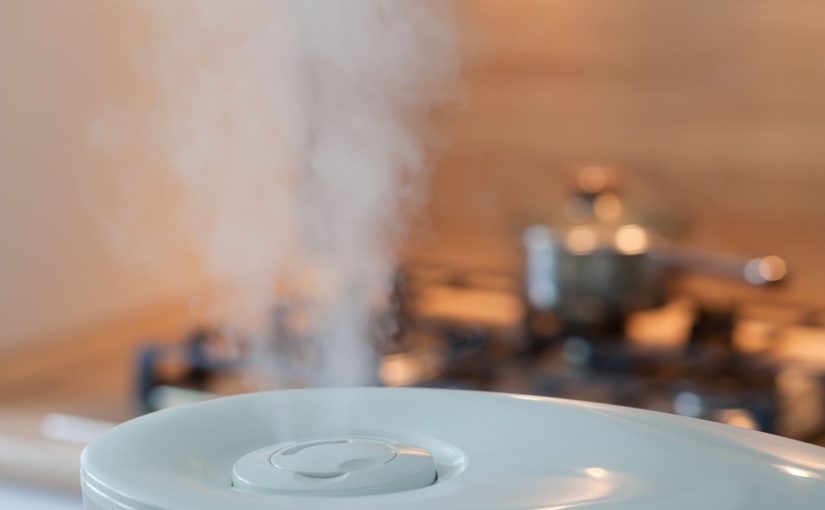
Follow these tips to use your humidifier most effectively for minimizing coughing and congestion:

  • Place near your bed – Run your humidifier in the bedroom overnight to maximize relief when coughing and congestion tend to worsen.
  • Clean and refill daily – Change water and clean the tank daily to inhibit mold, bacteria, and mineral deposits that can circulate in the mist.
  • Use distilled water – To prevent white dust from mineral deposits, use only distilled or purified water.
  • Run continuously – For optimal moisture levels, run your humidifier continuously rather than intermittently.
  • Monitor humidity – Use a hygrometer to keep humidity around 30-50%. Too much moisture can encourage mold growth.
  • Use alongside other remedies – Use a humidifier along with cough medicine, decongestants, etc. for comprehensive relief.
  • See your doctor if symptoms persist – Consult your doctor if phlegm and coughing lasts more than 10 days.

The Bottom Line

Using a humidifier can be an effective way to thin out mucus secretions, relieve coughing, and aid in clearing phlegm from the airways. The added moisture soothes respiratory irritation and hydrates the nasal passages and throat. Combining a humidifier with other remedies provides comprehensive relief for phlegm and coughing caused by dry indoor air.

Look for a cool mist or ultrasonic humidifier with at least a 1 gallon tank to provide extended relief throughout multiple rooms. Place it in the bedroom overnight and be diligent about daily cleaning and refilling. Monitor humidity levels to keep them ideal without allowing excessive moisture. Used properly, a humidifier can be a simple way to minimize frustrating phlegm issues when indoor heating dries out the air.

Here is a 7 question FAQ in HTML formatting:

FAQ

1. Why does dry air cause more phlegm and coughing?

Dry air allows less moisture into the nasal passages and throat, causing the mucus membranes to dry out. This triggers the body to overproduce mucus to compensate for the lack of moisture.

2. What’s the ideal humidity level for minimizing phlegm?

The ideal indoor humidity range during colder months is 30-50%. Using a humidifier helps maintain these optimal moisture levels.

3. Are warm mist or cool mist humidifiers better?

Cool mist humidifiers are typically best since they provide moisture without raising temperatures. But warm mist can also provide relief by loosening congestion.

4. How often should you clean a humidifier?

It’s important to clean and refill a humidifier’s tank daily to prevent buildup of mold, bacteria, and mineral deposits in the moisture that’s dispersed.

5. Can using a humidifier too much encourage mold growth?

Yes, excessive humidity over 50% can lead to condensation and mold growth. Use a hygrometer to monitor humidity and keep levels below 50%.

6. What size humidifier is best?

Look for humidifiers with tanks over 1 gallon to allow for extended runtimes before needing a refill. Models with large tank capacities are ideal for providing moisture through multiple rooms.

7. Can humidifiers help with snoring or sleep apnea?

Yes, by keeping nasal passages and throat tissues moist, humidifiers can help reduce snoring and ease some mild sleep apnea symptoms. But they aren’t a cure for moderate to severe sleep apnea.

Can Humidifiers Actually Relieve Dry, Irritated Throat? The Answers May Surprise You

Can a Humidifier Help With Dry Throat?

Yes, using a humidifier can help relieve a dry, sore throat by adding moisture back into the air. Dry throat is often caused by low humidity levels in the home, typically below 40%, which allows the mucus membranes in the throat to become parched and irritated. Humidifiers work by increasing the moisture in the air through cool mists or warm steam. This added moisture coats the throat area and provides lubrication, which can soothe inflammation and irritation. The increased level of moisture also helps thin mucus secretions and allows the body to more effectively fight illness.

According to the EPA, proper humidity levels between 40-50% are ideal for relieving dry throat discomfort and preventing further irritation in the throat tissues.

What Causes Dry Throat?

There are a number of potential causes for waking up with a dry, raspy throat:

  • Low humidity – Dry indoor air deprives throat tissues of moisture
  • Allergies – Postnasal drip from allergies can irritate the throat
  • Illness/Infection – Colds and flu cause congestion and throat inflammation
  • Medications – Antihistamines, antipsychotics, hypertension drugs can cause dryness
  • Smoking – Smoke exposure dries out throat membranes
  • Dehydration – Not drinking enough fluids deprives the throat of moisture
  • Mouth breathing – Sleeping with your mouth open dries out the throat

Benefits of Using a Humidifier for Dry Throat

Using a humidifier provides many benefits for relieving a sore, irritated throat:

Benefit Explanation
Adds moisture back into the air Increasing moisture in the air hydrates and coats throat membranes
Soothes irritated throat and relieves cough The added moisture can lubricate the throat and reduce inflammation
Helps thin mucus The humidity loosens mucus secretions in the throat for easier expulsion
Prevents dryness that can lead to infection Keeping throat tissues moist helps prevent painful infections
Allows body to fight illness more effectively Proper moisture improves the immune response to viruses and bacteria
Reduces allergy symptoms Humidifiers can minimize throat irritation from postnasal drip
Improves sleep quality Moisture soothes nighttime throat discomfort for better rest

“Using a humidifier at the first signs of a cold or throat irritation provides moisture to help thin out mucus secretions and keep my throat hydrated,” says Dr. Elizabeth Miller, an ENT-otolaryngologist with Mercy Medical Center.

How Does a Humidifier Help With Dry Throat?

Humidifiers work in two main ways to soothe a sore, dry throat:

  1. Increasing moisture in the air: Humidifiers raise the moisture level in the air through evaporation or steam. This moisture gets deposited into the throat area through normal breathing.
  2. Coating and lubricating the throat tissues: The added humidity particles adhere to the lining of the throat to coat the irritated membranes. This moisture acts as a lubricant and provides cooling relief.

Additionally, the hydration provided by a humidifier can help thin out mucus and sinus secretions. This makes it easier to expel them from the throat instead of allowing them to collect and cause further irritation.

picture of a dog with his nose in the cool mist coming from a humidifierWhat Type of Humidifier is Best?

There are a few different types of humidifiers to choose from:

Cool Mist Humidifiers

  • Use a filter or wick to emit water vapor into the air
  • Do not heat the water, provide a visible mist
  • Safer for use around kids and pets
  • Can provide up to 24 hours of moisture before refilling
  • May require more cleaning to prevent mold

Warm Mist Humidifiers

  • Use heating elements to boil water and emit warm steam
  • Provide visible steam and heat which can feel soothing
  • Can kill up to 99% of bacteria in tap water
  • Typically provide less moisture time between refills
  • Steam and heat may be too much for some rooms

In general, cool mist humidifiers tend to be the best option for bedrooms since they provide quiet, high-output moisture without getting too warm. The warm steam from heated humidifiers may feel relaxing, but can interfere with sleep.

Some top-rated humidifier options for dry throat relief include:

  • Crane Drop Cool Mist Humidifier
  • Pure Enrichment MistAire Ultrasonic Cool Mist Humidifier
  • Vicks Warm Mist Humidifier
  • Honeywell Germ-Free Cool Mist Humidifier

Tips for Using a Humidifier to Soothe Dry Throat

Follow these tips to maximize the benefits of using a humidifier for dry throat:

  • Place near bed for overnight relief – Position the humidifier on a nightstand near your bed to maximize exposure while sleeping.
  • Maintain 40-50% humidity – Use a hygrometer to monitor the humidity level and adjust the humidifier output accordingly.
  • Clean and replace filters regularly – Change water tank, wicks and filters as directed to prevent microbial growth.
  • Use distilled water – This will help prevent mineral residue buildup inside the humidifier.
  • Add essential oils – Menthol, eucalyptus and tea tree oil provide soothing relief.
  • Watch for condensation – If windows or walls become wet, lower humidifier output to prevent mold.

Other Ways to Soothe a Dry Throat

While humidifiers are very effective, there are also some other remedies worth trying:

  • Drink warm fluids – Sipping warm broths, teas and lemon water can provide hydration.
  • Use throat lozenges – Look for soothing ingredients like menthol, honey or licorice root.
  • Try throat sprays – Lidocaine or phenol throat sprays can numb irritation.
  • Run a vaporizer – Add a menthol vaporization tablet for breathing relief.
  • Use a saline nasal spray – This can moisturize nasal passages and minimize postnasal drip.
  • Ingest demulcents – Honey, slippery elm and marshmallow root coat and soothe mucus membranes.
  • Take a steamy shower – The moist environment can provide temporary relief.
  • Use a nasal strip when sleeping – This prevents mouth breathing that dries the throat.

It can also be helpful to identify and treat any underlying cause of chronic throat dryness, such as allergies or acid reflux. Using a humidifier along with other remedies provides comprehensive relief.

When to See a Doctor About Dry Throat

While temporary dry throat is normal, especially during peak allergy and cold season, there are some circumstances when it warrants medical evaluation:

  • Dry throat lasts longer than 2 weeks
  • Difficulty swallowing liquids or solids
  • Fever over 101 F
  • Blood in mucus
  • Voice changes like raspiness or loss of voice
  • Frequent need to clear your throat
  • Ear pain
  • Unexplained weight loss

“A dry throat that persists longer than a couple weeks or one that is accompanied by severe pain, trouble swallowing, or voice changes should be evaluated by an otolaryngologist to check for potential infections or medical conditions causing the symptoms,” advises Dr. Neil Chheda, Director of Ambulatory ENT at Massachusetts General Hospital.

The Bottom Line

Using a humidifier is an excellent way to relieve a dry, raspy, irritated throat. The added moisture provided by the humidifier hydrates throat tissues, reduces inflammation, and allows the body to heal itself more quickly.

While dry throat can result from multiple conditions, maintaining proper humidity levels between 40-50% is key to keeping throat membranes optimally hydrated. Cool mist humidifiers are generally the best suited for bedroom use. Along with a humidifier, additional remedies like throat sprays, herbal teas, and essential oils can provide soothing relief.

With comprehensive at-home treatment, most cases of temporary dry throat can resolve within a week or two. But if severe pain or other concerning symptoms develop, it is important to see a doctor to rule out potential infections or medical issues. Get all the tips and answers in our complete humidifier guide.

Are There Any Health Risks Associated With Using a Humidifier?

Are there any health risks associated with using a humidifier?

Yes, there are some potential health risks to be aware of when using a humidifier. The stagnant water inside the tank can promote the rapid growth of mold, fungi, bacteria and other microorganisms. When dispersed into the air, these contaminants can cause ill health effects if inhaled or come into contact with lungs and airways. It’s essential to take proper precautions to minimize risks and safely operate your humidifier.

According to the Environmental Protection Agency (EPA), humidifiers can cause indoor air quality issues due to dispersing microorganisms, minerals, and other pollutants into the air if not properly maintained and disinfected. Want to learn more? Check out our full Humidifier Guide here.

Main Health Risks of Humidifiers

Mold and Bacteria Growth

The number one risk with humidifiers is microbial growth in the water tank. The warm, stagnant water provides ideal conditions for the rapid reproduction of mold, fungi, and bacteria such as pseudomonas species, serratia species, and nontuberculous mycobacteria (NTM).

When these microorganisms become aerosolized in the mist output by the humidifier, they can be easily inhaled. This puts you at risk for lung infections, hypersensitivity pneumonitis, “humidifier fever”, and other respiratory issues.

Babies, children, the elderly and those with compromised immune systems or lung diseases are most vulnerable to these health risks.

To prevent microbial growth, it’s crucial to:

  • Clean and disinfect the tank daily
  • Rinse and dry all parts after use
  • Follow manufacturer guidelines for maintenance
  • Use distilled or filtered water
  • Keep humidity levels below 50%

Dispersion of Minerals and Sediments

Certain types of humidifiers, especially ultrasonic and impeller (cool mist) models, can disperse white mineral dust into the air. This comes from minerals naturally present in tap water that get extracted and atomized by the humidifier.

Inhaling the mineral dust particles can cause respiratory issues like:

  • Coughing
  • Congestion
  • Asthma attacks
  • Lung inflammation
  • Increased infections

Children and those with pre-existing lung diseases are at higher risk. To reduce mineral dust, use distilled, demineralized or filtered water in your humidifier.

Excess Moisture and Allergies

Humidifying the air too much can create an environment inside your home that exacerbates allergies and asthma. High humidity promotes growth of mold, dust mites, and other allergens.

Additionally, breathing air that is too humid can make it more difficult for lungs to clear mucus in some individuals. This can trigger increased coughing, chest tightness, and wheezing.

Use a hygrometer to monitor humidity levels and keep your home between 30-50% relative humidity. Also monitor for any worsening allergy or asthma symptoms and adjust humidifier use accordingly.

Burns from Steam Vapor

Warm mist humidifiers work by heating water to produce steam vapor. This hot steam can cause burns if you come into direct contact with it.

Keep humidifiers out of reach from children to avoid accidental burns. Do not touch steam vents or attempt to handle or refill a warm mist humidifier while it is turned on and still hot.

Type of Humidifier Main Associated Health Risks
Ultrasonic Dispersion of mineral dust particles; Microbial growth
Impeller (Cool Mist) Dispersion of mineral dust particles; Microbial growth
Warm Mist Burns from hot steam vapor; Microbial growth
Evaporative Microbial growth; Allergen accumulation on wicks

Tips for Safe and Proper Humidifier Use

When used with care, cleaned properly and maintained well, humidifiers can safely and effectively relieve dry air. Here are some tips for minimizing health risks:

Choose the Right Model

Consider the pros and cons of each humidifier type:

  • Cool mist ultrasonic: Quiet and energy-efficient but can disperse mineral dust. Look for built-in filters.
  • Warm mist: Provides soothing visible vapor but risk of burns. Disperses less mineral dust.
  • Evaporative: Uses natural evaporation, less risk of dispersing minerals. But requires frequent wick changes.

Clean and Disinfect the Tank

Clean the tank thoroughly every day with a dilute bleach solution or vinegar and water mixture. Rinse well and allow all parts to dry completely between uses to prevent microbial growth.

Change Filters and Wicks

If your humidifier has a filter, replace it as often as recommended by the manufacturer. For evaporative models, change the wick frequently to avoid buildup of minerals and allergens.

Use Purified Water

Fill your humidifier with cool, distilled or demineralized water. This will prevent dispersion of minerals through the mist. Do not use untreated tap water.

Monitor Humidity Levels

Use a hygrometer to keep the humidity between 30-50%. Too high can promote microbial growth. Too low will make the air feel overly dry.

Allow Proper Clearance

Place the humidifier at least 2 feet away from walls, furniture, bedding and belongings. This prevents moisture damage like mold/mildew growth.

Follow Instructions

Carefully read and follow manufacturer directions for filling, cleaning, maintenance and cautions for safe operation.

Top Pick For Anti Microbial Humidifiers

PureGuardian H5450BCA

The Bottom Line on Humidifier Health Risks

Humidifiers can benefit health when used properly by relieving dryness and congestion. However, take precautions to minimize risks like:

  • Clean and disinfect the tank daily
  • Use purified water to reduce mineral dust
  • Monitor humidity levels with a hygrometer
  • Allow proper clearance from walls and furniture
  • Choose models with antimicrobial and filtration features
  • Be attentive to allergies or asthma getting worse
  • Keep humidifiers out of reach of children

With attentive care and maintenance, you can safely add moisture to the air using a humidifier and avoid potential health hazards.

Can I Use a Humidifier with a Diffuser?

Can I Use a Humidifier with a Diffuser?

Using a humidifier and essential oil diffuser together is a common question for people looking to increase moisture in the air while also enjoying aromatherapy benefits. The short answer is yes, you can safely use a humidifier and diffuser in the same space as long as you follow some basic guidelines.

In this comprehensive guide, we’ll cover everything you need to know about running a humidifier and diffuser together. You’ll learn how each appliance works on its own, tips for best practices when using both, and the top models suitable for dual use.

How Do Humidifiers and Diffusers Work?

First, it’s key to understand the different technologies behind humidifiers and diffusers:

Humidifiers

Humidifiers work by taking regular water and dispersing it into the air in fine droplets or as vapor. This increases moisture levels, helping to relieve dry air problems like:

  • Irritated, stuffy sinuses
  • Itchy skin
  • Static electricity
  • Cracked lips
  • Scratchy throat

There are two main types of humidifiers:

  • Warm mist – These heat the water to create steam. The warm moisture may provide extra relief.
  • Cool mist – These use ultrasonic vibration or fans to turn the water into a fine mist. No heat involved.

Diffusers

Diffusers work by dispersing essential oils into the air. The tiny oil particles evaporate, filling the room with the natural aroma of the oil. Benefits may include:

  • Stress relief
  • Helping sleep
  • Uplifted mood
  • Clearer breathing

Most diffusers today use ultrasonic technology. This vibrates the water and oil mixture to create a fine, cool mist.

Is It Safe to Use a Humidifier and Diffuser Together?

The key factor in whether you can use a humidifier and diffuser together safely is the type of humidifier.

Ultrasonic and evaporative humidifiers that produce cool mist are generally safe to use along with an ultrasonic diffuser. The cool operation won’t degrade the essential oils.

However, you should avoid using diffusers with warm mist or steam vaporizer humidifiers. The heat can break down or evaporate the beneficial compounds in essential oils before they disperse into the air.

Tips for Safely Using a Humidifier and Diffuser Together

Follow these best practices when running a humidifier and essential oil diffuser in the same space:

Allow Proper Airflow Between Devices

Place the humidifier and diffuser 3-6 feet away from each other. This allows the fragrance to circulate properly throughout the room.

Use Oils Sparingly in the Diffuser

Only use 8-10 drops of essential oil per diffuser use. Too much oil can be overpowering when combined with the humidifying mist.

Clean Both Devices Regularly

To prevent bacteria or mold growth, clean each appliance thoroughly per the manufacturer’s directions. This is especially important if using the same device for both humidifying and diffusing.

Use 100% Pure Oils

Ensure you use only therapeutic grade, 100% pure essential oils. Diluted or synthetic oils may not diffuse properly and can leave residue.

Monitor Humidity Levels

Use a hygrometer to keep an eye on humidity and adjust your humidifier and diffuser usage accordingly. The ideal indoor humidity range is 30-50%.

Shut Off Diffuser at Night

For safety and air quality, shut off the diffuser at night. But you can often leave a cool mist humidifier on 24/7 for continued sinus and skin relief.

What About Using One Device for Both Diffusing and Humidifying?

Some ultrasonic diffuser models also offer a humidification function, allowing you to use one appliance for both jobs. This can be convenient for saving space and money.

However, there are downsides to using a 2-in-1 model:

  • You’ll need to clean it more often to remove oil residue
  • The tank may hold less water than a dedicated humidifier
  • It can only perform one function at a time

If you do choose a dual diffuser/humidifier, look for one specifically designed and marketed for both uses.

Best Humidifiers and Diffusers to Use Together

Here are some top picks for individual humidifier and diffuser models that can be used safely in tandem:

Levoit LV600S Hybrid Ultrasonic Humidifier

  • 1.6 gallon ultrasonic cool mist output
  • Optional aroma box for diffusing
  • Touch controls with backlit display
  • Auto mode adjusts to ideal humidity

Dreo Macro Ultrasonic Cool Mist Humidifier

  • 1.8 gallon large capacity tank
  • Whisper quiet ultrasonic technology
  • Automatic shutoff when empty
  • Built-in night light

PureGuardian Ultrasonic Warm and Cool Mist Humidifier

  • 1 gallon tank for large spaces
  • Warm and cool mist options
  • Built-in UV-C light to kill bacteria
  • Automatic shutoff when empty

Enjoy the Benefits of Both

Used properly, a humidifier and essential oil diffuser can be safely used together to increase moisture in the air while providing an aromatherapy experience. Follow the tips outlined above to allow proper operation of both appliances.

Invest in high-quality, dedicated models for the best performance. And be sure to keep both your humidifier and diffuser clean and maintained to prevent any issues.

Then sit back, breathe deep, and enjoy clearer breathing and soothing scents throughout your space.