The effects of humidity and the lack thereof can have a lot of symptoms on your body that you may have not considered before.
Some of them are very logical and make complete sense straight away, while other symptoms may not be as obvious.
Low relative humidity is at the heart of many issues that you face every day.
But it is one of the last places most people look when they are looking for solutions for a variety of different problems.
Here’s a small list of low humidity symptoms:
1. Static electricity
You reach out for your wife’s hand or to give your daughter a hug and suddenly you get zapped. Static shock! And it seems like everything you touch is a live wire for the next few weeks.
Static electricity is an indication that the humidity is low.
Static electricity is essentially an imbalance of negative and positive ions in the air.
The shock you feel is the balancing of the ions jumping from one object to another.
But when the air is keeping a relative humidity of 40% or more, the moisture in the air absorbs the shock instead of you and your next victim.
If you notice you’re getting zapped with static electricity around the house more than usual, you can be certain that your humidity is low.
A humidifier is a device that adds moisture back to the air which is beneficial for reducing the amount of static electrical shock around the house.
Another symptom of low humidity that is easier to identify than some others is having a dry nose.
When you blow your nose and it feels brittle and painful to do so, or worse, you have a baby that has a sore brittle nose, the relative humidity in your house has more than certainly dropped.
Nosebleeds go hand in hand with dried nasal passages. If you notice blood on the tissue that you have used to clear your nose or worse, you flat out have a crack on the inner walls of your nose and blood is beginning to drip,
You will more than likely find that the relative humidity in your home has dropped below the 40% mark.
A cool mist humidifier can add the depleted humidity back into your air and give you some cool relief inside of your nasal passages.
Humidifier Benefit #2
Soothe and Hydrate the linings in your nose
3. Dry skin
Following the same logic as having a dry nose is the low humidity symptom of dried and cracking skin.
The moisture in a person’s skin is absorbed primarily through the humidity in the air.
There is a saying that “dry skin equals dehydrated skin”.
Winter is the time of year that is known for having drier air consistently.
It is also the time of the year when the air is continually dried out further but running the heater continually.
So it is not a coincidence that people experience drier than usual skin during this time of year.
But dry skin is not exclusive to colder seasons,
The climate indoors can suffer from low humidity in the summer as well.
Tightly sealed rooms running air conditioners that are dehumidifying as they cool and having fans blowing can also have an effect on the relative humidity inside.
Humidifier Benefit #3
Return Moisture to your skin
4. Extra Dusty house
Have you noticed the surfaces in your home or office seem particularly dusty?
When the airborne particles in a room don’t have enough moisture to weigh them down or give them that “mud” like texture,
they are free to float further and longer and essentially make the room extra Dusty.
Dustiness is also a major issue when dealing with dry skin.
Your skin is not the only thing absorbing the moisture from the air.
Dust and dry skin
Dust is also absorbing the moisture, not only out of the air, but out of your skin as well.
You have probably been in a old room where dust has settled for years,
Or maybe you have been around a wood shop where there are mountains of dust everywhere and in the air.
If you have then you probably noticed how dried out your skin felt afterwards.
It’s the same concept, being in a dusty room with low humidity.
The combination of dust and dry air will suck the moisture right out of your skin.
Humidifier Benefit #4
Reduce dust and dry skin caused by dust
5. Acne
Acne can be a symptom of low humidity. As surprising as that may sound, the effect that dry air has on your skin can facilitate the spread of acne.
Dried cracked skin can allow the bacteria it causes acne to burrow down deeper into the epidermis.
Dry skin can also flake and clog your pores even more.
And finally the imbalance of humidity can cause your skin overcompensate in the creation of oils.
If you are struggling with acne, dry air may be one of your issues. A humidifier can restore the balance of relative moisture back into your air and produce a positive result in your fight against acne.
Humidifier Benefit #5
Help inhibit the spread of Acne
6. Allergies / Asthma triggers
When the air is dry and there is little moisture to cling to the dust particles in the air.
The particulates such as pollen, insect remains, feces, and the other 1000 particles that make up dust, are free to float further through your home than if there was adequate moisture to weigh them down.
Allergies and asthma attacks can result from the lack of moisture that is responsible for reducing household allergens and triggers.
Elechomes SH8820 is a humidifier that does everything you need and more. It also has a carrying handle that puts it above the fray. Pretty sweet.
Humidifier Benefit #6
Reduce the travel of allergens in the air
7. Dry eyes
Dry eyes can be described as eyes that have dried out tears.
Hello there are many causes that can cause the tear ducts to produce less tears than they should,
The dry air caused by a lack of humidity can also cause the tears in your eyes to evaporate quickly and leave you with dry burning eyes.
Running a cool mist humidifier will add moisture back into the air and help create an environment where your eyes don’t dry out nearly as bad.
Humidifier Benefit #7
Sooth Dry Eyes
8. Cold and flu viruses
One of the most fascinating symptoms of low humidity is the easy spread of colds, flus and viruses.
Not only does the lack of moisture in the air create conditions that are conducive to viruses and bacteria traveling further and staying airborne longer,
Low relative humidity has a drying effect on the linings of your airways.
The result of dry mucus linings is they are not able to ward off foreign substances as easily.source
And creates a type of docking effect where viruses and germs can remain longer causing an increased risk of infection.
The National Library of Medicine has stated that the majority of adverse health effects caused by relative humidity would be minimized by maintaining indoor levels between 40 and 60%.
If the flu and cold bug is going through your house, the chances are that your relative humidity is lower than the 40 to 60% optimal range.
The humidifier may help reduce the spread of cold and flu germs, and it can also have a cooling effect on your sinuses when you are struggling with congestion and a raw nose and throat brought on by being sick.
A humidifier adds moisture to dry indoor air. You may benefit from one when your home’s relative humidity drops below 30% and you begin noticing dry skin, irritated sinuses, static electricity, cracked wood, or uncomfortable sleeping conditions.
What You Need to Know
When to use one: Run a humidifier when a hygrometer shows that your indoor humidity is below 30%.
The humidity to aim for: Keep your home between 30% and 50% relative humidity.
The best type for most people: A cool-mist humidifier is usually the most practical choice for bedrooms and everyday living spaces.
When to turn it down: Reduce or stop using it if windows collect condensation or nearby surfaces begin feeling damp.
Don’t rely on how the air feels. A small digital hygrometer tells you when the air is truly dry and helps prevent you from adding enough moisture to encourage mold or dust mites.
Next, compare the main types of humidifiers to see which one best fits your room and the way you plan to use it.
Which Type of Humidifier Should You Choose?
For most people, the choice comes down to how much space you need to humidify, how much maintenance you are willing to do, and whether mineral dust or hot water is a concern.
Humidifier type
Best for
Advantages
Watch out for
Ultrasonic cool mist
Bedrooms and everyday room use
Quiet, energy-efficient, and widely available
Tap water may produce white mineral dust; clean it frequently
Evaporative
Bedrooms and larger living areas
Less likely to over-humidify and usually produces less white dust
The fan may be noticeable, and the wick requires replacement
Warm mist
Adults who prefer warm vapor
Quiet operation with no fan and no white dust
Hot water creates a burn risk around children and pets
Console
Large rooms or several connected spaces
Larger tank and greater coverage than a tabletop model
Requires more floor space, water, and regular cleaning
Whole-house
Dryness throughout the entire home
Works with the HVAC system and requires less daily attention
Higher cost, professional installation, and ongoing maintenance
Best starting point: For one bedroom or ordinary living space, begin with a properly sized cool-mist humidifier. Choose evaporative if white dust is a major concern, or consider a console or whole-house unit when several rooms are consistently too dry.
My Practical Recommendation
For most bedrooms and everyday living spaces, I recommend starting with an ultrasonic cool-mist humidifier. It is quiet, simple to operate, and does not create the burn risk associated with warm mist.
My Practical Recommendation
For most bedrooms and everyday living spaces, I recommend starting with an ultrasonic cool-mist humidifier. It is quiet, simple to operate, and does not create the burn risk associated with warm mist.
Levoit is my preferred starting point. Its cool-mist humidifiers are easy to live with and among the best options I have used.
Ready to Compare Humidifiers?
If a humidifier makes sense for your room, you can compare available models, sizes, and features on Amazon.
As an Amazon Associate, BreatheBetterAir.org earns from qualifying purchases.
Where Should You Put a Humidifier?
Place it near where you spend time, such as beside the bed or in the main living area—but not where mist blows directly onto people.
Use a raised, water-resistant surface rather than carpet or bare wood.
Keep it away from walls, curtains, furniture, and electronics so moisture cannot collect on them.
Leave space around the mist outlet for moisture to disperse into the room.
Keep warm-mist models out of reach of children and pets because the water and steam can cause burns.
Placement check: If the surface around the humidifier becomes damp, move the unit, lower its output, or run it for less time.
When Should You Turn It On?
Below 30% humidity: Turn the humidifier on.
Between 30% and 50%: Use it only as needed to stay within this range.
Above 50%: Turn it down or off.
Condensation appears: Stop using it until the excess moisture clears.
Use a hygrometer instead of guessing. Check the humidity near the area where you use the humidifier—not directly beside its mist outlet, where the reading may be artificially high.
Use It Safely
Empty and rinse the tank daily; clean it according to the manufacturer’s instructions.
Use distilled water in ultrasonic models if tap water creates white mineral dust.
Never let nearby surfaces remain damp. Excess moisture can encourage mold and dust mites.
Keep warm mist away from children and pets because hot water and steam can cause burns.
Continue With the Complete Humidifier Guide
That is the short version. The complete guide below explains how each type of humidifier works, how to choose the correct size, what water to use, how to clean the unit, and how to solve common humidifier problems.
How Do Humidifiers Work?
Humidifiers increase the moisture content in the air to improve comfort and health. They work by releasing water vapor or mist into your indoor environment, helping to counteract dry air—especially during colder months when indoor heating systems reduce humidity levels.
There are several types of humidifiers, each using a different method to disperse moisture:
Evaporative humidifiers use a wick filter and a fan. Air is blown through the damp wick, causing moisture to evaporate into the room.
Ultrasonic or impeller humidifiers use high-frequency vibrations to turn water into a fine mist that’s released into the air.
Steam vaporizer humidifiers boil water to create steam, which is cooled slightly before being released into the room.
The ideal indoor humidity level is typically between 30% and 50%. When air becomes too dry, it can cause a range of problems — including static electricity, dry throat, itchy skin, cracked lips, and even nosebleeds.
Using a humidifier can help relieve breathing issues caused by dry air. This includes symptoms from allergies, asthma, colds, and sinus infections. By keeping nasal passages moist, it also helps loosen mucus and improve congestion.
Dry air doesn’t just affect your health — it also impacts your home. Humidifiers help prevent cracking in wood floors, furniture, and musical instruments. They also reduce peeling wallpaper and protect houseplants that need adequate humidity to thrive.
During the winter, when heating systems are running, humidifiers are especially useful for restoring balance to indoor air. They help maintain comfort, preserve indoor materials, and make the air easier to breathe.
Why Use a Humidifier?
Humidifiers help fix many frustrating problems caused by dry indoor air. If you’ve ever dealt with itchy skin, a dry throat, cracked lips, or sinus irritation during winter, low humidity is likely to blame.
One of the biggest benefits of a humidifier is relief from respiratory discomfort. Dry air can inflame nasal passages and worsen symptoms from colds, allergies, asthma, bronchitis, and sinus infections. By adding moisture, humidifiers loosen mucus, reduce inflammation, and make it easier to breathe.
Humidifiers can improve sleep comfort and reduce snoring. If you wake up congested, coughing, or with a dry mouth, adding moisture to the air while you sleep can help. Babies and children often sleep better when the air isn’t too dry.
Low humidity can damage your home and furnishings over time. Wood flooring and furniture may shrink, crack, or warp when exposed to prolonged dryness. Wallpaper may peel, and static electricity shocks become more common. A humidifier helps preserve materials by stabilizing moisture levels.
Houseplants also benefit from increased humidity levels. Signs of dry air stress in plants include brown leaf tips, drooping leaves, and stunted growth. Running a humidifier near plants mimics their natural environment and helps them thrive.
There’s also some evidence that humidifiers may help reduce the spread of airborne viruses. Maintaining humidity between 40–60% may cause virus droplets to fall out of the air more quickly, reducing transmission risk—especially during flu season.
From better breathing and skin to protecting your home and health, humidifiers offer many everyday benefits. They’re a simple tool that can make a big difference during the dry months.
Types of Humidifiers
Popular Humidifier Brands Worth Considering
Shopping for a humidifier can feel overwhelming because there are dozens of models on the market. Fortunately, a handful of manufacturers consistently appear in expert reviews, best-seller lists, and homeowner recommendations. The best humidifier isn’t simply the most expensive—it’s the one that matches your room size, preferred maintenance level, desired noise level, and the type of humidity control you need.
Well-Known Humidifier Lines
Levoit Classic 300S Smart Ultrasonic Humidifier
One of the most popular smart humidifiers for bedrooms and medium-sized rooms. It offers Wi-Fi app control, a built-in humidistat, automatic humidity adjustment, top-fill convenience, and very quiet operation. Levoit is frequently recommended for homeowners who want modern smart-home features without spending premium prices.
Honeywell HCM-350 Cool Moisture Humidifier
A long-time favorite evaporative humidifier that uses a wick filter and fan. Because evaporative models naturally slow their moisture output as humidity rises, they’re often recommended for homeowners who want steady humidity without accidentally over-humidifying a room.
Vicks Warm Mist Humidifier
A classic warm mist model commonly used during cold and flu season. Many versions include a medicine cup for compatible Vicks inhalants, producing soothing warm vapor that many users find comforting during congestion. Because warm mist humidifiers generate hot steam, they should always be kept out of reach of children and pets.
Dyson Purifier Humidify+Cool
A premium all-in-one appliance that combines humidification, HEPA air purification, and fan cooling in a single unit. Automatic sensors continuously monitor indoor air quality and humidity, making it popular with homeowners looking for advanced air quality management and smart controls.
Canopy Humidifier
Known for its easy-to-clean design, Canopy uses evaporative technology and dishwasher-safe components to help reduce mold and bacteria buildup inside the unit. Its maintenance-focused design has made it increasingly popular with families concerned about hygiene.
Venta Airwasher
Unlike traditional humidifiers, Venta Airwasher systems use evaporative technology to add moisture while helping capture larger airborne particles at the same time. Many owners appreciate the low-maintenance design that doesn’t require disposable wick filters.
AprilAire Whole-House Humidifiers
Rather than humidifying a single room, AprilAire systems connect directly to your home’s HVAC system to maintain comfortable humidity throughout the entire house. They’re a popular choice for homeowners looking for a permanent whole-home humidity solution.
Buying Tip: Brand name is only one part of the equation. Before choosing a humidifier, compare:
Room coverage (square footage)
Cool mist vs. warm mist operation
Ultrasonic vs. evaporative technology
Noise level
Tank size and runtime
Cleaning requirements
Built-in humidistat and automatic controls
Smart features like Wi-Fi or app control
Remember: Even the highest-rated humidifier can create problems if it’s oversized, poorly maintained, or used in an already humid room. For most homes, maintaining an indoor humidity level between 30% and 50% is more important than choosing any particular brand or model.
There are several main types of humidifiers, and each works differently to add moisture to the air. The best one for you depends on your room size, how quiet you want it to be, and how much maintenance you’re willing to do.
Cool Mist (Evaporative) Humidifiers
Evaporative humidifiers use a wick filter and a fan to release cool moisture into the air. These are among the most common types and do not use heat.
Pros: Safe around kids, good for large spaces, energy efficient
Cons: Fan noise, wick filters can grow mold if not cleaned, may leave white dust from minerals
Best for: bedrooms, offices, living rooms
Warm Mist Humidifiers
Warm mist models boil water and release steam into the air. This makes them ideal for colds and congestion, but they do use more energy.
Pros: Soothing warm vapor, can kill bacteria, helps with congestion
Cons: Hot steam can be unsafe for kids/pets, mineral buildup, higher electricity usage
Best for: bedrooms (without kids), bathrooms
Ultrasonic Humidifiers
Ultrasonic humidifiers use high-frequency vibrations to create a fine mist. They’re extremely quiet and energy efficient.
Pros: Very quiet, energy-saving, no filter needed
Cons: Can release white dust, must be cleaned to prevent mold
Best for: baby rooms, offices, bedrooms
Impeller Humidifiers
Impeller (centrifugal) humidifiers use a spinning disc to fling water into the air as droplets. These are less common but can cover large spaces.
Pros: High mist output, no heating element, no filters
Cons: Noisy, high condensation, use a lot of water
Best for: greenhouses, warehouses, large rooms
Whole House Humidifiers
Whole-house models connect to your central HVAC system and humidify every room through the air ducts. They’re ideal for consistent, home-wide humidity.
Pros: Covers entire home, set-it-and-forget-it, no portable units needed
Cons: More expensive, professional install required, ducts must be maintained to prevent mold
Cons: Higher cost, app issues, still need manual cleaning
Best for: tech-savvy users, remote management, see more
Top Fill Humidifiers
Top-fill designs make refilling water easy without removing the tank from the base.
Pros: Mess-free filling, easier to clean, convenient for daily use
Cons: Must still be cleaned regularly, can be heavy when full
Best for: convenience and frequent use
Tower Humidifiers
Tower humidifiers are tall, floor-standing units with a vertical mist output. They save floor space and often include wheels for mobility.
Pros: Small footprint, portable, good mist reach
Cons: Easier to knock over, harder to lift when full
Best for: floor placement, medium to large rooms
Combination Humidifiers with Essential Oil Trays
These humidifiers not only add moisture to the air but also allow you to diffuse essential oils for added aroma and potential wellness benefits. They typically feature a separate tray or compartment for oils so the main water tank stays clean.
Pros: Dual function (humidifying + aromatherapy), pleasant scents, can help mask odors
Cons: Some oils can damage plastic parts, potential for overuse of scents, added cleaning required
Best for: users who want humidity and fragrance in one device, living rooms, bedrooms, or relaxation spaces There’s no one-size-fits-all humidifier — the best choice depends on your room, your health needs, and how hands-on you want to be with maintenance.
Placement Tips for Maximum Efficiency
Where you put your humidifier affects how well it works. Proper placement helps the mist circulate evenly, avoids over-saturation in one area, and prevents damage to furniture or electronics.
Choose a stable, level surface. Place the humidifier on a flat, elevated surface like a table, shelf, or stand. Avoid putting it directly on carpet or wood floors, where moisture could cause damage or encourage mold underneath.
Keep it away from walls and vents. Place the unit at least 6–12 inches from any walls so mist can circulate freely. Avoid setting it near heating or air conditioning vents, which can disrupt the mist’s flow or dry the air too quickly.
Adjust the height for best mist dispersal. For ultrasonic and cool mist models, place the unit above furniture but below head level so the mist enters the breathing zone. Warm mist rises more easily, so it can be positioned slightly lower.
Avoid direct sunlight. Sunlight can encourage algae growth inside the tank and discolor the unit. Keep the humidifier in a shaded, well-ventilated area away from windows.
Don’t place it too close to beds or desks. While you want the mist nearby, placing a humidifier too close can cause damp bedding, papers, or condensation buildup. A few feet away is best for comfort and safety.
Put it near houseplants if needed. Plants love humidity. Placing a humidifier nearby can help revive droopy or browning leaves, especially in winter months.
Use multiple units for large rooms. If one humidifier isn’t powerful enough, use two smaller ones on opposite ends of the room. This provides more even moisture distribution without oversaturating one spot.
Top-fill and wheeled units offer placement flexibility. Top-fill designs are easier to refill no matter where you place them. Floor models with wheels (like tower humidifiers) can be moved to the warmest or driest area of the room.
Check your model’s user manual. Some humidifiers have unique airflow needs or safety clearance requirements. Follow any manufacturer-specific guidance to get the most out of your device.
Pro Tip: Aim for placement about 2–4 feet off the floor and at least 6 inches from walls or furniture.
Operating and Maintaining Your Humidifier
To keep your humidifier running efficiently and safely, regular cleaning is a must. Skipping maintenance can lead to mold growth, bacteria buildup, and poor mist output.
🗓️ Daily Tasks
Check and refill the water tank daily — don’t let it run dry.
Empty and rinse the tank each day to reduce bacteria buildup.
Wipe down the exterior with a clean, damp cloth to remove dust or mineral spots.
Inspect the filter or wick (if applicable) and make sure it’s not moldy or discolored.
🧽 Weekly Maintenance
Deep clean all parts using a vinegar-water solution (1:1 ratio) to dissolve mineral buildup.
Disinfect the tank using a mild bleach solution (1 tsp bleach per gallon of water). Let sit, then rinse thoroughly.
Scrub filters and wicks gently with a soft brush if reusable. Replace if damaged or moldy.
Clean heating elements (for warm mist models) to remove scale and prevent odor.
📆 Yearly Tasks or End-of-Season Care
Do a full system cleaning before storing the humidifier at the end of winter.
Replace filters, wicks, or desiccant packs so they’re fresh for next season.
Inspect for leaks or cracks in tanks and hoses.
Store in a dry, cool place to avoid mildew buildup while not in use.
⚠️ Tips to Prevent Mold and Bacteria
Always use clean, fresh water. Filtered or distilled is best.
Let parts dry fully between uses — especially inside the tank.
Don’t leave water standing in the unit when not in use.
Follow the cleaning steps in your owner’s manual and stick to the schedule.
Consistent maintenance not only extends the life of your humidifier, but it also protects your health. A dirty unit can spread bacteria into the air — so stay on top of cleaning tasks year-round.
What Kind of Water to Use in a Humidifier
Using the right water in your humidifier helps prevent buildup, extend lifespan, and protect your air quality. Tap water may be convenient, but it’s not always the best option for your machine — or your lungs.
✅ Best Options
Distilled Water: The gold standard. It’s free of minerals, reduces white dust, and prevents scaling inside the unit.
Filtered Water: A solid alternative if you don’t have distilled on hand. Use a high-quality carbon or reverse osmosis filter to reduce minerals.
Bottled Water (Labeled “Purified” or “Demineralized”): Safe to use, especially if labeled as distilled or reverse osmosis-treated.
⚠️ Water to Avoid
Tap Water: Contains minerals like calcium, magnesium, and silica that can cause white dust, clog parts, and encourage bacteria growth.
Well Water: Typically high in iron and minerals, making it even more prone to scaling and bacterial contamination. Avoid unless filtered and tested.
Hot Water: Encourages faster microbial growth and can crack some tanks. Always use cool or room-temperature water.
If you’re seeing white powder near your humidifier, you’re probably using tap water with a high mineral content. That white dust settles on surfaces and may irritate your lungs — especially for people with allergies or asthma.
To keep your air clean and your humidifier running smoothly, stick with distilled or filtered water whenever possible. It’s a small extra step that prevents big problems later.
Humidifier Safety Tips and Potential Risks
While humidifiers offer many health benefits, using them incorrectly can create new problems — like mold growth or even burns. Follow these safety tips to protect yourself, your home, and your air quality.
✅ General Safety Guidelines
Don’t over-humidify your space. Keep indoor humidity between 30–50%. Higher levels encourage mold, dust mites, and condensation on walls and windows.
Use a hygrometer (or humidifier with built-in sensor) to monitor levels. Adjust mist output accordingly.
Clean your humidifier regularly. Daily rinsing and weekly disinfecting are critical to avoid harmful bacteria or mold entering the air.
Always use clean, filtered, or distilled water. Tap and well water can introduce minerals, metals, and contaminants into the air as white dust.
⚠️ Safety for Children and Pets
Never place a warm mist humidifier near children or pets. The boiling water and steam can cause serious burns if tipped over.
Position humidifiers where they cannot be knocked over. Use stable surfaces and avoid locations within reach of little hands or tails.
🧯 Electrical and Home Safety
Turn off the humidifier when you’re not home. This prevents over-humidifying and potential overheating or electrical risks.
Keep the unit away from electronics and power strips. Moisture from mist can damage components over time.
Watch for condensation on windows and walls. This can lead to mildew and rot if left unchecked. Reduce mist output or run in intervals.
🚫 What NOT to Do
Do not add essential oils to the water tank unless your model specifically allows it. Oils can damage components and release harmful VOCs when heated.
Do not run the unit nonstop without checking the humidity level. “Set-it-and-forget-it” can lead to moisture problems fast.
To use a humidifier safely, think of it like a mini appliance — one that needs proper placement, cleaning, and monitoring. Used responsibly, it can be a major boost to your comfort and air quality.
Top Humidifier Features to Look For
Modern humidifiers offer smart features and user-friendly options that can make a big difference in daily use. Here’s a breakdown of the most useful features to look for when buying a humidifier — whether you’re shopping for a nursery, bedroom, or whole-home setup.
🌡️ Humidity Control
Adjustable Humidistat: Lets you set a specific humidity level (like 40%) and maintains it automatically.
Built-in Hygrometer: Measures the current room humidity so you don’t need a separate device.
Auto Mode: Increases or decreases mist output based on real-time humidity readings.
🛑 Convenience & Safety
Auto Shut-Off: Turns the humidifier off when the tank is empty or your target humidity is reached — protects both the device and your home.
Timer Function: Set it to run for 2, 4, or 8 hours. Helps prevent over-humidifying while you sleep or leave the house.
Sleep Mode: Dims lights and runs quietly to support uninterrupted sleep — great for bedrooms and nurseries.
📱 Smart Controls
Wi-Fi/App Connectivity: Control humidity settings from your smartphone or tablet. Some models include charts and usage logs.
Voice Assistant Integration: Works with Alexa, Google Home, or other smart home systems for hands-free control.
💡 Other Useful Features
Top Fill Design: Lets you refill the tank from the top without removing the base — more convenient and less mess.
Removable Water Tank with Handle: Makes cleaning and refilling much easier.
Nightlight: Built-in soft light — helpful for children’s rooms or nighttime visibility.
Aroma Diffuser: A separate tray or chamber for essential oils (only safe on models that support this feature).
🦠 Antimicrobial Features
Antimicrobial Materials: Built-in treatment to reduce bacteria and mold growth inside the tank.
UV-C Light or Silver Ion Filters: Help kill germs in the water before mist is released into the air.
The more advanced the features, the easier it is to manage humidity levels safely and efficiently — especially in high-use areas like bedrooms or whole homes.
Top-Rated Humidifiers
Not sure which humidifier to buy? We’ve put together a free downloadable guide that compares top-rated models by size, type, and special features.
From quiet ultrasonic units for bedrooms to high-output models for large living rooms, you’ll find our personal picks based on performance, reliability, and ease of use.
Frequently Asked Questions
Q: What is the ideal humidity level for a home?
A: The ideal indoor humidity is between 30% and 50%. Below that can cause dryness and irritation; above 50% may encourage mold, dust mites, and condensation issues.
Q: How do I choose what size humidifier I need?
A: Match the unit’s output (usually listed in square feet) to your room size. A small bedroom might need a unit that covers 200–400 sq ft, while a living room may require 600–1,000 sq ft or more.
Q: What type of humidifier is best for sinus relief?
A: Both cool and warm mist models can help. Cool mist is safer and more energy-efficient. Warm mist may feel more soothing during congestion but poses burn risk around children.
Q: Can I use tap water in my humidifier?
A: You can, but it’s not ideal. Tap water contains minerals that create white dust and can clog or damage your unit. Distilled or filtered water is safer and cleaner.
Q: Why is there white dust on my furniture?
A: That’s mineral residue from hard water. It’s harmless but annoying and can irritate lungs. Use distilled water or a model with a demineralization cartridge.
Q: How often should I clean my humidifier?
A: Rinse and refill the tank daily. Disinfect weekly with vinegar or bleach (depending on the model). Always follow your manufacturer’s cleaning schedule.
Q: How do I prevent mold in my humidifier?
A: Clean it regularly, use distilled water, empty the tank daily, and let all parts dry between uses. Avoid stagnant water and never leave the tank full when off.
Q: Is it safe to run a humidifier all night?
A: Yes, if the humidity stays within the safe range (30%–50%) and the unit is placed safely. Use a model with auto shutoff or built-in humidistat for peace of mind.
Q: Where should I place my humidifier?
A: Place it on a flat, elevated surface like a table or dresser. Keep it away from walls, electronics, and direct sunlight, and at least a few feet from your bed or seating area.
Q: Can a humidifier cause mold in my house?
A: Yes — if overused. High humidity levels over 60% can cause mold on walls, windows, or furniture. Use a hygrometer and don’t exceed recommended levels.
Q: Can I add essential oils to my humidifier?
A: Only if the model is designed for it. Most humidifiers will be damaged by essential oils unless they have a dedicated aroma tray or oil-safe reservoir.
Q: What’s the difference between a humidifier and a vaporizer?
A: A humidifier adds moisture to the air without heat (cool mist), while a vaporizer creates steam by boiling water. Both add humidity, but vaporizers can feel warmer and require more power.
Q: Do I need a humidifier in summer?
A: Not usually. Humidifiers are most helpful in winter when heating systems dry out the air. However, some climates have dry summers too — check your indoor humidity to decide.
Q: Can I use a humidifier and air purifier at the same time?
A: Yes — and it’s often recommended. A humidifier adds moisture, while a purifier removes airborne particles. Just keep them a few feet apart so the purifier doesn’t pull in moist air directly.
Allergies are a topic most of us can identify with.
Allergy symptoms like Itchy burning eyes, sneezing, headaches are all annoyances that we can relate to.
And we can tell you when pollen season has arrived by the way we’re feeling.
But allergies and humidity are not something that we automatically make the connection between.
In fact, you may be surprised to find that the relative humidity, whether high or low, impacts whether or not you may be having allergy and respiratory symptoms.
Low humidity, which would be characterized by a percentage level of 40% and below, is the condition known as dry air.
Itchy flaking skin, static electricity, and raw bloody noses, are a regular result of dry air.
High humidity, which would be characterized as humidity 60% or more, generally results in frizzy hair and a swampy feeling.
But both have elements that cause allergies to flare.
Is a Humidifier Good for Allergies?
A humidifier is a device that adds moisture to the air. It’s that simple.
A humidifier is good for dry air allergies because when there’s a lack of moisture in the air, airborne particles like pollen and mold spores, have nothing to weigh them down and are able to travel further.
On the other hand, when a room has the ideal relative humidity of between 40 and 60 percent, dust particles are not able to float as readily, which makes them not inhaled as easily.
A humidifier also helps moisturize the breathing airways and nasal passages,
bringing a great deal of relief when you are suffering from symptoms like congestion and dry nose, common to colds and allergies.
Humidifier for Allergies
Our top 2 choices for humidifiers are Levoit and Pure Guardian.
Levoit is the mother of all humidifiers.
It has all the features you could ask for in a humidifier and it can be used as either a cool mist or warm mist.
Pure Guardian has just about all the same features as the Levoit but it has something Levoit doesn’t.
The newer generation of humidifiers goes the next step in providing remedies for keeping the humidifier from becoming contaminated with bacteria and mold.
This feature alone may very well outweigh the rest.
When is a humidifier not good for allergies?
A humidifier has a built-in disadvantage in that it has to be cleaned often in order for it not to become a source of airborne allergens itself.
Let me explain a little further,
Because of the nature of the humidifier and the way it works, it requires filling and refilling with water.
Standing water can become contaminated with bacteria in as little as 48 to 72 hours.
Not only the water inside of the basin, but the mouth, the cap, and the filter all have water moving through them and have the capacity to get moldy and covered in bacteria very quickly.
Running a dirty humidifier will take all the germs in the humidifier water and spit them into the air.
Another time when a humidifier is not good for allergies is when the humidity is already high.
A high relative humidity can cause allergies to flare as well as low humidity.
High humidity causes dust mites populations to explode. The humidity in the air is actually what dust mites feed on. Which creates an ideal environment for them to flourish.
Also extra moisture in the air gives mold one of its main components to take root.
And where you have mold you have mold spores traveling through the air, ready to be inhaled.
So when the humidity is high, the last thing you want to do is add more moisture to the air with a humidifier.
A dehumidifier is a device that reduces the moisture in the air.
Dehumidifier for Allergies
If you have high humidity but your temperatures are not too high, then a dehumidifier may be the ideal machine you need to bring down the overall relative humidity in your home.
If you’re having high humidity combined with high temperatures then you probably already have a window air conditioner for a central heat and air unit that’s running.
Both of these types of air conditioners dehumidify as they cool. Many units allow for the dehumidifier function to run independently. It’s called dry mode on your settings.
Most allergies in relation to humidity can be avoided by keeping your relative humidity between 40 and 60%.
Hygrometer
But to know what your relative humidity is, you have to have a way to measure it.
A hygrometer is a gauge that does just that. You can buy one pretty cheaply.
But they also come standard on a lot of humidifiers and dehumidifiers.
In fact if you are shopping for either a humidifier or dehumidifier, finding one that has a hygrometer / humidistat will help you keep up with your humidity level and help your appliance keep it at an optimal point.
Levoit comes with a hygrometer/ humidistat as a common feature.
Most people can tell you when pollen season has arrived because of how it makes them feel,
But most people do not make the connection between humidity and allergies.
Low humidity, known as dry air, allows allergens as well as germs and viruses to float and travel much further.
Adding moisture to the air with a humidifier weighs down airborne particles so that they settle to the surface faster and stay out of the ambient air that you breathe.
Cool mist from a humidifier also hydrates and gives dry and swollen nasal passages some much needed relief.
High humidity is also a problem for allergy sufferers because excessive moisture in the air breeds higher levels of dust mites. It also facilitates the growth of mold.
A dehumidifier is a better option for reducing moisture when temperatures are mild.
If the weather is hot and humid, refrigerated air conditioners also perform as dehumidifiers. Most even have a dry mode setting that allows you to run your AC as a dehumidifier.
It may seem like fighting mold allergy is a losing effort. Mold is just part of the natural environment after all. Even though you are unable to see mold spores, they are nevertheless moving through the air and may enter your nose – triggering mold allergy symptoms. While mold allergy can be an issue, the first steps towards fighting it is maintaining basic hygiene. Much like you can avoid sunburn by just staying out of the sun, you can manage allergies – including mold allergies – by taking good care of your house. Don’t overlook the power of simple housekeeping.
How Does Mold Cause Allergies?
Mold is a kind of fungus that grows in moist places. As mold is growing, it is unlikely to trigger any kind of allergy symptoms, unless you are touching or removing it. Problems arise on dry and windy days which is when mold will go into the protective part of its life-cycle. This will be when it releases its spores. These spores blow on the wind and may be inhaled, which causes allergy symptoms.
Of all the many different varieties of mold, around Reeve dozen of them are known to cause respiratory allergies. The allergic symptoms to mold can include sneezing, runny nose, congestion, postnasal drip, mucus buildup, and an itchy nose or eyes. If mold spores enter the lungs, then they may cause asthma.
If you yourself experience any of these allergic symptoms and answer what has caused them, then you can have an allergist perform a skin or blood test to discern if mold is responsible not.
Breathe Better by Reducing Mold
Given that mold requires moisture in order to grow, it is commonly found in leaves, grass, and on logs. It can grow indoors in any area that has poor ventilation and high levels of moisture. Here are seven tips on how to protect yourself against mold and mold allergy symptoms.
Use a Dehumidifier
It seems obvious that the best way to prevent mold would be to reduce humidity levels inside your home. Reducing humidity to less than 45% – if not under 35% – helps to prevent the growth of mold. If you live in a particularly large home, then you should consider placing a dehumidifier in the basement. The basement is one of the coldest and moist as places in the home – and therefore a place where mold can grow easily.
We recommend setting a dehumidifier up in such a way that it can drain automatically without the need to empty the reservoir, which is all too easy to forget to do. A full reservoir actually helps more to grow. You can set up a self-draining dehumidifier by attaching hosted a dehumidifier which allows it to empty into a water-collecting pump drain. That way it doesn’t matter even if you forget the dehumidifier is there needs to be emptied.
Keep Your AC Running Smoothly
Another great way to keep moisture levels down indoors is to use your air-conditioner in the warmer months. An air-conditioner allows you to keep the house dry and reduce mold levels; assuming that your unit is kept in good condition and cleaned out regularly.
That means setting time aside to regularly dust and eliminate dirt from within the air-conditioner. You also need to regularly change the filters and clean out the ducts to keep air-conditioning units and dehumidifiers running properly and working their best. That includes changing the AC filter in your car. We also recommend cleaning the ducts out in your home once a year as condensation can occur, and this leads to mold growing.
Focus on Air Flow
Help the air flow through your home by using a clean exhaust fan in the bathroom when showering, and in the kitchen when cooking and washing dishes. Open the inner doors of your home to keep flowing through the house and prevent mold from growing.
Scrub Mold Away
If you do happen to see more growing, then use a 10% bleach solution to scrub it away. Don’t forget to wear a protective facemask while doing this. If you have respiratory problems that will prevent you from using bleach, then use a 50/50 solution of water and vinegar. This will work fine to remove mold, but it may take some more elbow grease to get the job done.
Keep Up with the Housekeeping
Fungi may grow on the soap film that is left on tile and grout. This is why you should clean the bathroom thoroughly once a month at the very least. Wipe down the rubber seal on your washing machine door and keep the lid open when it is not in use to Brent moisture from getting trapped inside. As far as to kitchen girls, mold may stick around on refrigerator door gaskets, garbage cans, and drip pans. Also keep in eye out for mold growth in pitchers and water bottles. Empty them out leave them to dry completely.
Stay Indoors When Mold Counts Are High
If you don’t want to wear a dust mask outside, or find it too uncomfortable, and avoid going outside too much if the mold count is high. You can check out the website of the American Academy of Allergy, Asthma and Immunology to find out more about current levels of mold and pollen where you live. Mold allergy symptoms are generally at their worst spring and fall seasons and during dry and windy days.
Shower after Spending Time Outside
Mold spores are similar to pollen in that you should wash them away after coming inside from outdoor activities such as sports and gardening. This prevents the spores from being spread around the indoor environment.
It doesn’t matter whether you’re spending time indoors or outdoors, these steps can help to reduce your exposure to mold; and therefore the allergy symptoms it causes.
The OdorStop OS2500UV is a commercial-capable ozone generator designed for odor treatment in unoccupied spaces. It is not a normal air purifier, and it should not be used while people, pets, or plants are inside the treatment area.
Where this machine stands out is its combination of adjustable ozone output, a 12-hour timer, washable filter, cleanable ozone plates, and built-in UV light. That makes it feel more refined than many basic metal-box ozone generators, especially for users who expect to treat odors more than once.
Quick Verdict: The OdorStop OS2500UV is a good choice for homeowners, landlords, restoration workers, or property managers who want a more controlled ozone generator for odor treatment. It is best for smoke odors, musty smells, pet odors, rental turnover, and post-cleaning odor treatment. It is not a substitute for cleaning, mold remediation, smoke damage repair, or an occupied-space air purifier.
Key Specifications
Model
OdorStop OS2500UV
Type
Ozone generator with UV light
Ozone Plates
2 ozone plates
Ozone Output
Variable ozone output up to approximately 2,000 mg/h depending on settings and source
Fan Design
Fan-assisted ozone distribution
Timer
12-hour timer with hold option
Coverage Claim
Manufacturer-rated coverage up to 2,500 square feet; real-world results vary
Weight
Approximately 11–12 pounds
Best Use
Unoccupied odor treatment after cleaning and source removal
The OdorStop OS2500UV is best for odor problems where the source has already been addressed but the smell is still hanging around.
Smoke odors after cleaning
Pet odors after carpet, padding, or affected surfaces have been treated
Musty basement smells after moisture issues are corrected
Rental property turnover
Hotel rooms, offices, or vacant spaces
Vehicle odor treatment when used carefully
General stale or stubborn odors in unoccupied spaces
The biggest mistake with any ozone generator is expecting it to replace cleaning. Ozone works best as a finishing step. If the source of the odor is still there, the smell will usually come back.
What We Like
Adjustable Ozone Output
The OS2500UV gives you more control than many simple ozone generators. Instead of only having an on/off switch, it has variable output. That matters because not every odor job needs the maximum setting.
For a light stale smell, lower output and shorter treatment may be enough. For smoke, musty odors, or stronger pet smells, a longer treatment may be needed. Adjustable output makes the machine easier to match to the situation.
Matching your machine’s output to your specific problem is a key skill for any homeowner.
If you’re new to ozone generators, start with our Ozone Generator Starter Guide. It explains how ozone works, when to use it, and how to use it safely before choosing a machine.
12-Hour Timer with Hold Option
The built-in timer is one of the most useful features. A timer helps prevent the machine from running longer than intended. The hold option can be useful for professional users, but homeowners should be very careful with extended operation.
For most home odor jobs, controlled treatment time is better than simply turning the unit on and hoping more ozone equals better results.
UV Light Built Into the Unit
The UV light is one of the features that separates the OS2500UV from the standard OS2500 model. The UV feature should not be treated as a magic sanitizing solution for an entire room.
The important thing is to keep expectations realistic. The UV feature is included, but its real-world impact on air or surface disinfection is limited in this type of device. It should not be viewed as a substitute for proper cleaning, sanitizing, or remediation.
Cleanable Ozone Plates
Ozone plates get dirty over time. When that happens, output can drop and the machine may not work as well. The OS2500UV is designed so the plates can be cleaned without completely taking the unit apart.
That is a real advantage if the machine will be used more than once or twice.
More Features Than Basic Ozone Generators
The OS2500UV includes additional features such as adjustable ozone output, UV light, a washable filter, and cleanable ozone plates. These features may appeal to users who expect to perform odor treatments regularly rather than as a one-time project.
What We Do Not Like
The “Air Purifier” Wording Can Be Confusing
Some listings describe the OS2500UV as an ozone generator air purifier. That wording can confuse buyers.
This is not a HEPA air purifier. It is not something you run in the room while you sit there. It does not continuously filter dust, pollen, pet dander, or smoke particles from occupied air.
The OS2500UV is an odor-treatment machine, not a daily-use air purifier.
If you’re still deciding between an ozone generator and a traditional air purifier, our guide Ozone Generator vs. Air Purifier: What’s the Difference and Which One Do You Need? explains how each technology works and when each one makes the most sense.
Coverage Claims Need Realistic Expectations
The OS2500UV is commonly listed for areas up to 2,500 square feet. That does not mean one quick treatment will evenly solve every odor problem in a large house.
Ozone has to reach the odor source. Room layout, closed doors, airflow, furniture, carpet, wall cavities, HVAC ducts, and the severity of the odor all matter.
For larger homes or complex layouts, it may work better to treat one area at a time instead of trying to treat the entire house in one session.
It Still Requires Strict Safety Steps
This is not a casual-use product. Ozone can irritate the lungs and should not be breathed at treatment levels. The space must be empty during treatment, and it must be ventilated before anyone returns.
OdorStop OS2500UV for Smoke Odors
The OS2500UV can be a good fit for smoke odor treatment, especially after the visible residue has already been cleaned.
But smoke odor is tricky. Smoke particles and residues can settle into walls, ceilings, carpet, upholstery, insulation, cabinets, and HVAC systems. If those surfaces are still contaminated, ozone may reduce the smell temporarily but may not solve the whole problem.
For smoke odors, the better process is:
Remove damaged or heavily contaminated materials when needed.
Clean hard surfaces.
Wash or remove affected fabrics.
Replace HVAC filters.
Use ozone only after cleaning is complete.
Ventilate thoroughly after treatment.
Used that way, the OS2500UV makes sense as a final odor-treatment step.
For a more detailed look at using ozone to tackle tobacco odors, see our guide on using an ozone generator for cigarette smoke.
OdorStop OS2500UV for Pet Odors
The OS2500UV may help with lingering pet smells, but it should not be the first step for urine odor.
Pet urine can soak into carpet, padding, subfloor, baseboards, and concrete. Ozone may help with airborne odor and some surface odor, but it will not magically remove urine crystals buried deep in materials.
For pet urine, clean first with the right cleaner, remove contaminated padding if necessary, and then consider ozone only after the source has been treated.
OdorStop OS2500UV for Mold and Musty Smells
The OS2500UV may help reduce musty odors, but it should not be described as a mold-removal solution.
If there is active mold growth, a moisture problem, or wet building materials, those issues need to be fixed first. Ozone does not replace drying, removal, cleaning, containment, or professional remediation.
Where it may help is after the moisture source has been corrected and the affected area has been cleaned, but a stale or musty smell remains.
If you’re dealing with a damp basement or persistent musty odor, our guide on using an ozone generator for musty smells explains when ozone can help—and when fixing the underlying moisture problem is the more important first step.
OdorStop OS2500UV vs Enerzen O-888
The Enerzen O-888 is usually a simpler, more budget-friendly ozone generator. It is popular because it is powerful, affordable, and easy to understand.
The OdorStop OS2500UV is the more feature-rich option. It gives you adjustable output, UV, a washable filter, cleanable plates, and a more serviceable design.
Feature
OdorStop OS2500UV
Enerzen O-888
Best For
Repeated odor-treatment jobs
Budget ozone treatment
UV Feature
Yes
No
Control
More adjustable
More basic
Best Buyer
Landlords, property managers, and repeated-use buyers
Homeowners wanting a cheaper machine
If you’re considering the Enerzen O-888 as an alternative, read our full Enerzen O-888 review for a detailed look at its features, performance, pros, cons, and who it’s best suited for.
OdorStop OS2500UV vs Airthereal MA5000
The Airthereal MA5000 is one of the most popular consumer ozone generators on the market and is commonly rated at up to 5,000 mg/h of ozone output. On paper, it offers substantially higher maximum ozone production than the OS2500UV.
The OdorStop OS2500UV focuses more on control and serviceability. It offers adjustable ozone output, UV light, a washable filter, and cleanable ozone plates. The MA5000 focuses primarily on delivering high ozone output at a lower price point.
Feature
OdorStop OS2500UV
Airthereal MA5000
Maximum Ozone Output
Approximately 2,000 mg/h
Approximately 5,000 mg/h
Output Control
Variable
More limited
UV Light
Yes
No
Serviceable Ozone Plates
Yes
Limited
Best For
Users wanting additional features and control
Users wanting maximum ozone output per dollar
If you’re interested in maximum ozone output at a budget-friendly price, read our full Airthereal MA5000 review to see how it compares in features, performance, safety, and overall value.
Who Should Buy the OdorStop OS2500UV?
The OdorStop OS2500UV makes the most sense for someone who expects to use an ozone generator more than once.
Landlords
Rental property owners
House flippers
Hotel or motel operators
Restoration workers
Homeowners with recurring odor problems
People who want more control than a basic ozone generator offers
If you only need to treat one small room or one car, a cheaper ozone generator may be enough. But if you want a more adjustable and serviceable machine, the OS2500UV is easier to justify.
Ready to see the current price?
If the OdorStop OS2500UV sounds like the right fit for your odor-removal project, you can check the latest price and customer reviews on Amazon below.
You should not buy the OS2500UV if you are looking for a normal air purifier for daily use.
It is also not the right product if:
You want to run it while people are home.
You need HEPA filtration for dust, pollen, or smoke particles.
You have active mold and have not fixed the moisture problem.
You have pet urine soaked into carpet padding or subfloor and have not removed the source.
You expect ozone to replace cleaning.
Safety Considerations
Before using the OS2500UV, remove people, pets, and plants from the treatment area. Close the space off, set the timer, and do not enter while the machine is running.
After treatment, allow time for ozone to dissipate and ventilate the area before returning. Depending on treatment levels, room size, and airflow, this may take anywhere from roughly 30 minutes to several hours.
Open windows and doors when possible. A box fan blowing outward through a window can help exhaust ozone-containing air from the space.
Do not rely only on smell to decide whether the room is safe. Ozone odor can fade, but that does not mean every situation is automatically safe immediately after treatment.
Final Verdict
The OdorStop OS2500UV is not the highest-output ozone generator in its price range, but that is not really its selling point. Its strengths are adjustable output, serviceable components, UV integration, and a feature set aimed at users who expect to perform odor treatments repeatedly.
For landlords, property managers, house flippers, and homeowners dealing with recurring odor issues, it offers a more refined approach than many basic ozone generators. Just remember that ozone works best as a final odor-treatment step after cleaning and source removal have already been completed.
Bottom Line: Buy the OdorStop OS2500UV if you want a more adjustable ozone generator for repeated odor-treatment use. Skip it if you only need a cheap one-time machine or if you are looking for an air purifier you can run while the room is occupied.
It can be used in homes, but only in unoccupied spaces. People, pets, and plants should leave the treatment area before the machine is turned on. The area should be ventilated before anyone returns.
Does the OdorStop OS2500UV remove smoke smell?
It can help reduce lingering smoke odors after cleaning. It should not be treated as a replacement for removing smoke residue from walls, ceilings, carpet, furniture, or HVAC systems.
Does the OS2500UV kill mold?
It should not be used as a substitute for mold remediation. If there is active mold or moisture, fix that first. The OS2500UV may help with leftover musty odors after the source has been corrected.
Can I use the OS2500UV in a car?
It may be used for vehicle odor treatment, but the space is much smaller than a room, so treatment time and output should be handled carefully. The vehicle must be empty during treatment and aired out before driving.
Is the OS2500UV better than a cheaper ozone generator?
For one-time use, maybe not. For repeated odor treatment, the adjustable output, timer, UV feature, cleanable plates, and washable filter make it a stronger long-term choice.
Is the OdorStop OS2500UV an air purifier?
Not in the normal household sense. It does not replace a HEPA air purifier. It is an ozone generator for odor treatment in unoccupied areas.
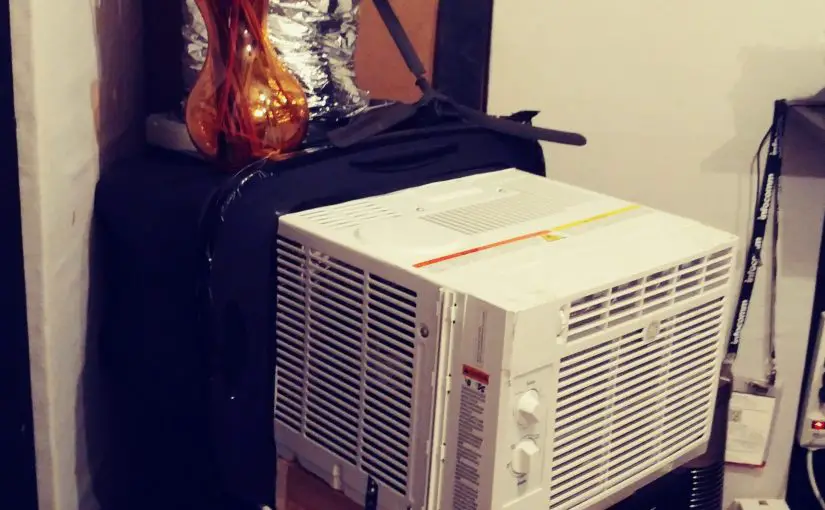
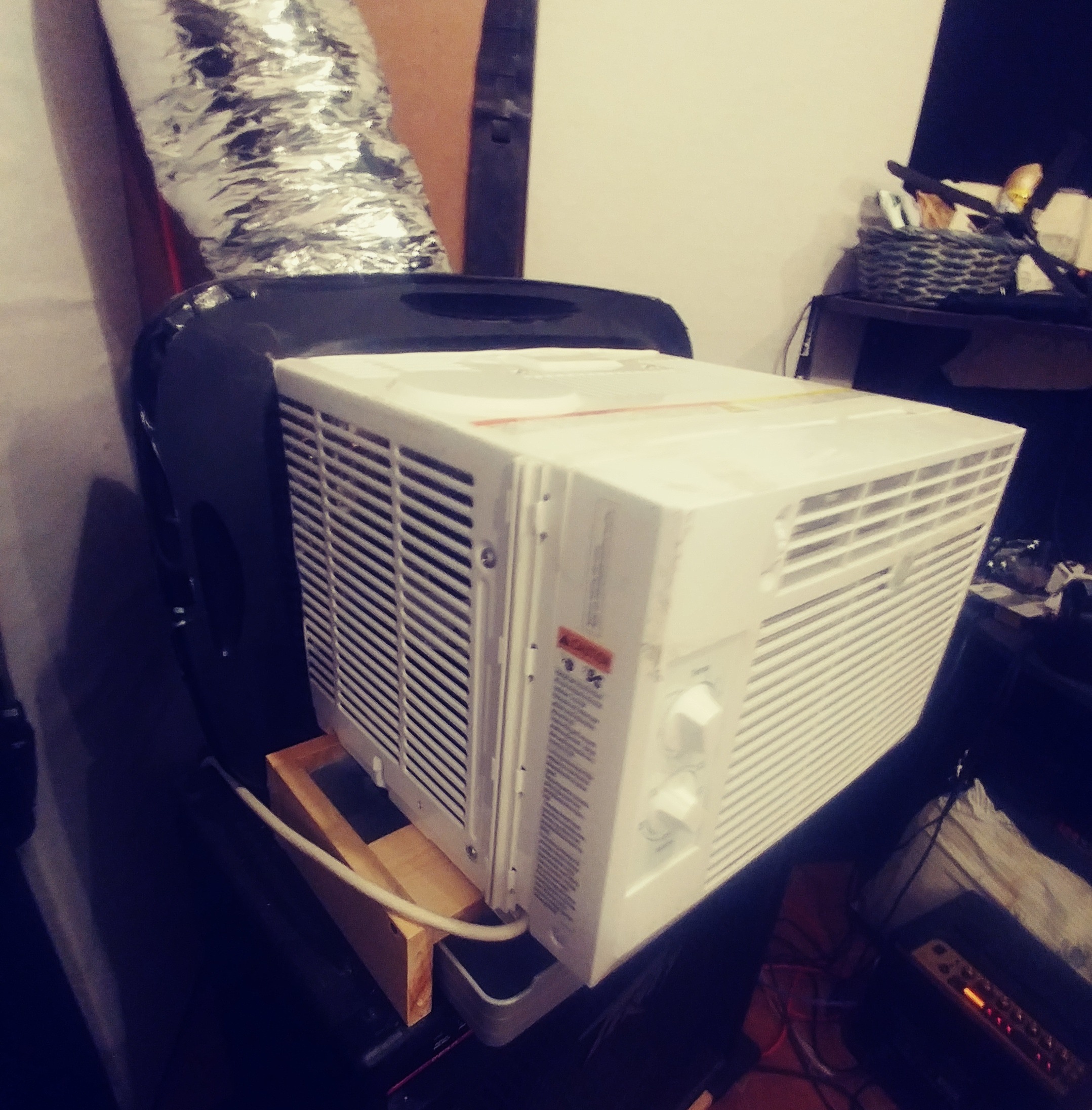
And the first step to working with a window AC regardless of what kind of repair you’re doing on it, used to unplug it.
You don’t want to risk getting shocked especially when you are talking about dealing with water and electricity.
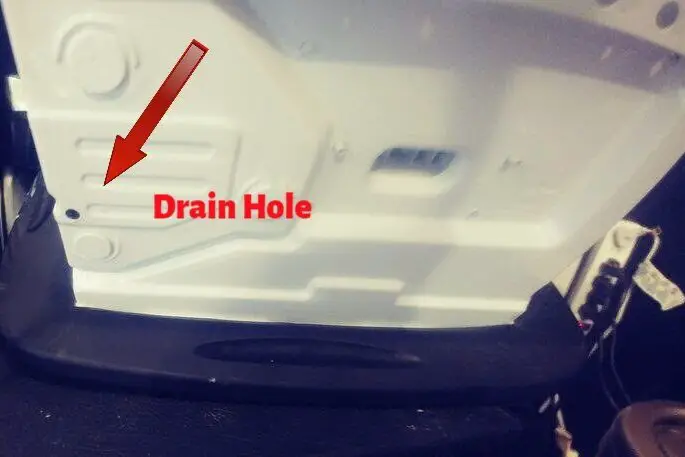
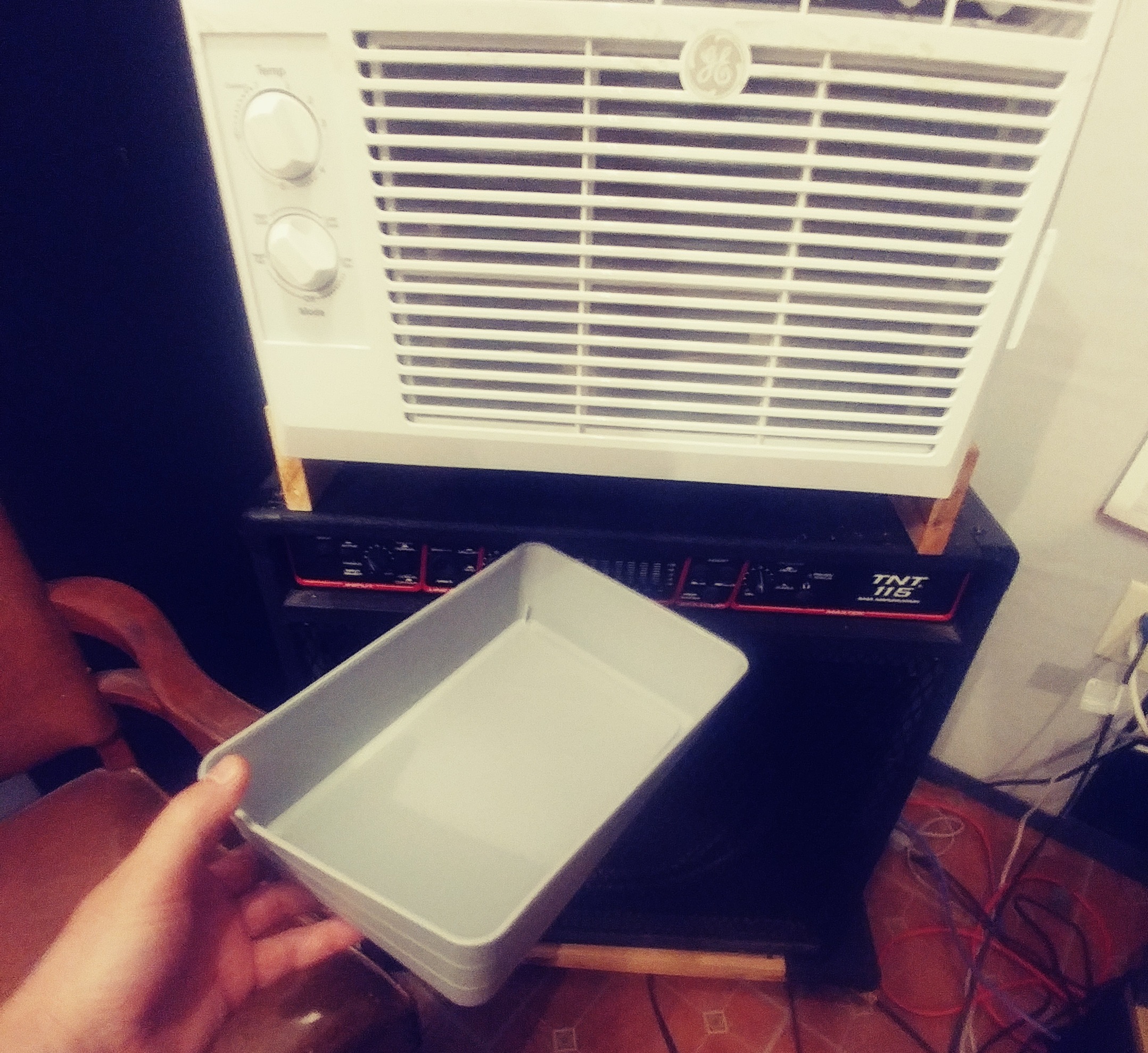
1. Locate the drain hole.
The drain hole is typically located at the bottom of the window AC. It’s designed to allow the water that is built up from condensation to have a place to drip out of.
2. Clear any debris
Since there is already a drain hole that should be allowing the rain water that has gotten into the air conditioner to drain out.
The logical first step is to make sure that the drain hole is clear and doesn’t have any debris.
You can remove any blockage that may have gotten in there, typically very easily with a pipe cleaner or small cleaning brush.
You can even use a Shop-Vac or air compressor if you want to go that far.
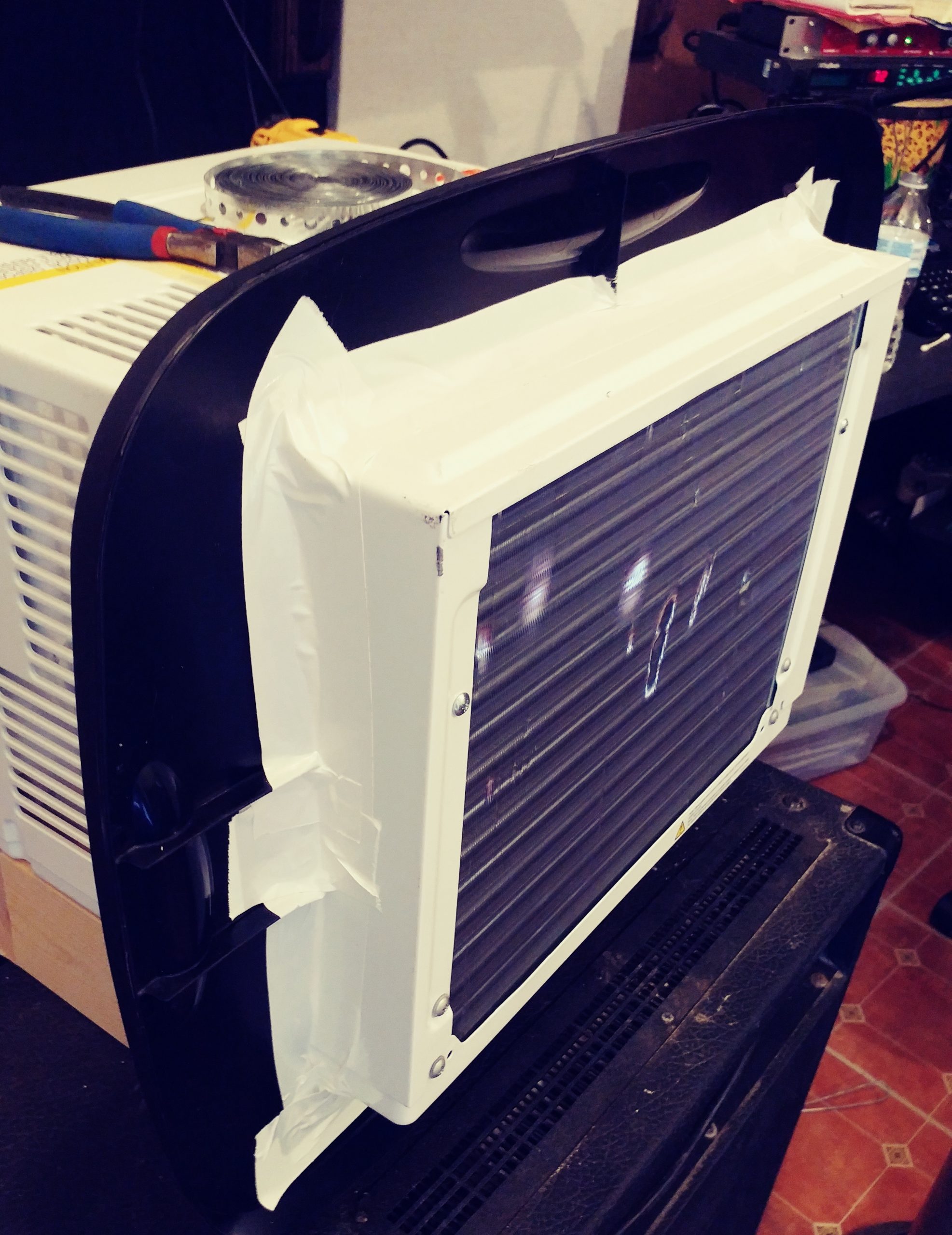
3. Fix the tilt
If you clean out the drain hole and there is still water collected in the bottom of the AC, then the tilt of the air conditioner maybe slightly off.
Which basically means that the water is not running towards the drain and is puddling up somewhere.
Most window air conditioners are required to have a slight tilt towards the rear. It’s that tilt that provides a pathway for the water to run towards the drain hole.
But there are window ACs that require the unit to be completely level for the water to drain evenly out of the drain hole.
If you have the type of window AC that requires a tilt, the easiest thing is to use a level to get it square then let it fall to the rear till you get the bubble in the middle of the level to one side.
If you have a window AC that requires it to be completely level, use the same leveling tool to make sure the bubble is sitting directly in the center when you set it.
You should definitely check your manual to find out which type you have.
Keeping the water out.
Even though window air conditioners may not be completely waterproof, they are designed to withstand the elements.
And if there is a rainstorm with high winds, there is a chance that rain is going to get into your window AC.
But that in itself is not a problem.
So the best way to keep the water out of your window air conditioner is the same methods that you used to get the water out.
1. Remove anything that could be blocking the drainage hole on the bottom of the outside of the air conditioner.
2. Make sure the tilt is correct.
Most window air conditioners require that you slightly tilt the air conditioner backwards to provide a path for the water to flow to the drain.
How much of a tilt? About 5° or when the bubble in the middle of the level is on one side of the center.
Other window air conditioners require that the air conditioner be completely level for the water to drain properly.
Check your manual to find out which one you have.
Window Air Conditioner Not Working After Rain
When your window air conditioner stops working following a rainstorm, it’s crucial to understand the underlying causes for effective troubleshooting. Here are two common issues to consider:
Tripped Circuit Breaker
Electrical Overload: A tripped breaker often indicates an electrical overload. If your AC unit, along with other appliances, is drawing more power than the circuit can handle, it may trip the breaker as a safety measure.
Power Surges: During storms, power surges are common and can trip the circuit breaker. These surges can occur due to lightning strikes or fluctuations in the power grid.
Inspect and Reset: Check your home’s electrical panel for any tripped breakers. If you find the corresponding breaker for the AC unit tripped, reset it. If it trips again, it’s a sign of an underlying issue that needs professional attention.
Water Intrusion
What is Water Intrusion?: Water intrusion refers to the entry of water into parts of the AC unit where it can cause damage, especially the electrical components.
How It Occurs: During heavy rain, especially if the unit is improperly sealed or installed, water can seep into the internal parts. This is more likely if the unit has gaps allowing water to enter or if the drain system is overwhelmed.
Risks Involved: Water inside the unit can lead to short circuits or corrosion of electrical parts, which can cause the unit to malfunction or not start.
Safety Measures: If you suspect water has entered the internal parts of the AC, it’s important to unplug the unit and avoid using it until it has been checked and cleared by a professional.
Steps to Take
Professional Inspection: If your unit has stopped working after rain and you suspect either of these issues, the safest course of action is to seek professional help. A qualified technician can safely assess and repair any damage caused by water intrusion or electrical issues.
Preventive Maintenance: Regularly inspect the seal and installation of your unit to ensure it’s protected against rainwater. Also, consider installing a surge protector to safeguard against electrical surges during storms.
Understanding these potential causes and taking the right steps can help you effectively address issues with your window AC unit after rain, ensuring its longevity and efficient operation.
Advanced Electrical Checks and When to Call an Electrician
If your window air conditioner stops working after a rainstorm and you’ve determined that the circuit breaker has not tripped, there are a couple of additional steps you can take to diagnose the problem. However, remember that safety is paramount, and when in doubt, it’s always best to consult a professional.
Checking the Outlet
Test with Another Device: To determine if the issue lies with the outlet, try plugging in a different, small appliance (like a lamp or a phone charger) to see if it works. This can help you ascertain whether the problem is with the AC unit or the outlet.
Signs of Outlet Damage: Look for signs of damage or wear on the outlet, such as discoloration, a burnt smell, or visible sparks. These could indicate serious issues that need immediate attention.
When to Call an Electrician
No Power from the Outlet: If other devices also fail to work when plugged into the same outlet, there might be an issue with the outlet or the wiring in the wall. This is a job for a licensed electrician.
Recurring Breaker Trips: If the breaker for the AC unit trips repeatedly, this could indicate a more serious electrical issue, such as a short circuit within the AC unit or in your home’s wiring.
Safety Concerns: Electrical work can be hazardous. If you have any concerns about your ability to safely perform these checks, or if you notice anything unusual like a burning smell or discolored outlet, it’s time to call in a professional.
Potential AC Component Issues
Internal Damage: If the outlet is functioning correctly but the AC unit still won’t turn on, the issue may lie within the AC’s internal components. This could be due to water damage, electrical faults, or other malfunctions.
Professional AC Repair: In this case, it’s advisable to have a professional HVAC technician inspect the unit. They can assess whether the unit can be repaired or if it needs to be replaced.
Conclusion.
Window Air Conditioner Full of Water After Rain
A window air conditioner full of water after rain comes down to a clogged drain hole.
Use a pipe cleaner or brush and clear out the drainage hole and the water should flow out naturally.
But if the water does not completely drain, there is probably an issue with how the air conditioner is tilted.
Most air conditioners are meant to be tilted so that the water has a clear path to the drain.
Some are meant to be completely level for the water to drain.
Check your manual to find out which one you have and proceed to fix your tilt.
FAQs: Window AC and Water Accumulation After Rain
1. Why does my window AC fill up with water after rain?
– Water accumulation usually occurs due to a blocked drain hole or incorrect tilting of the AC unit.
2. Where is the drain hole located on a window AC?
– The drain hole is typically found at the bottom or rear of the unit and may be small and recessed.
3. How should a window AC be tilted for proper drainage?
– Most units should be slightly tilted backward, but some models require being level. Check your manual for specific instructions.
4. Can rain damage a window air conditioner?
– While AC units are built to withstand elements, excessive water from rain can cause issues if the unit isn’t properly maintained.
5. Is it safe to run a window AC during a rainstorm?
– Yes, it’s generally safe, but ensure that the unit is properly installed and the drain hole is clear to prevent water accumulation.
6. What should I do if water accumulates in my AC after rain?
– Turn off the unit, check for a clogged drain hole, and adjust the tilt. If problems persist, consult a professional.
7. How can I prevent my window AC from filling with water?
– Regular maintenance, ensuring correct installation and tilt, and keeping the drain hole clear are effective preventive measures.
8. What are the risks of a window AC unit getting full of water?
– Water accumulation can lead to electrical issues, reduced efficiency, and in severe cases, damage to the unit.
9. Can I clean the drain hole of a window AC unit myself?
– Yes, you can usually clean it using a small brush or pipe cleaner to remove debris.
10. My AC stopped working after a heavy rain. What should I check first?
– First, ensure it’s unplugged, then check for a tripped breaker or water in the unit. If unsure, contact a professional.
Having a new baby in the house is one of the most exciting times that you can possibly have in your entire life.
And I’m speaking from a man’s point of view. Which doesn’t nearly compare to the elation that bringing home a new baby from the hospital has for a new mother.
It’s been a while since we had a new baby in our house. Our last one was a daughter who is now a teenager.
But I can still remember waking up in the middle of the night and having an urge to get up and check to make sure she was breathing. That sounds a little obsessive. True nonetheless.
I can also remember all the snot and mucus that comes with a new baby. And using one of those snot suckers or baby aspirators, I think they’re actually called, to clean her nose out.
One of the things we always had in the bedroom (yes she slept in the same room as me and my wife) was the humidifier.
The baby humidifier is a must if only for the white noise. I know it’s not meant for that, but it works awesome for putting a baby girl and her daddy to sleep.
But there’s much more to a baby humidifier than the calming sound it makes.
Humidifiers are actually one of the most important appliances you can own during the winter months when the humidity drops outside and the heater is going nonstop inside.
Low humidity causes dry air. And dry air can cause a whole lot of problems for people, especially children and babies.
Humidifier in Baby Room All Night?
Using a humidifier in your baby’s room all night is completely acceptable as long as that is what is needed to achieve the 40% to 60% relative humidity to keep your baby from experiencing symptoms associated with low humidity and dry air.
Humidifier Benefits for Baby
1. Skincare
Babies specifically, can have very dry skin. And require a lot of baby lotion.
Dry skin is a symptom of dry air. You could say that dry skin equals dehydrated skin. And air that is deficient in humidity absorbs moisture from where it can, skin being a big one.
On the flip side, when the air has the proper relative humidity, which is 40 to 60% RH according to the National Library of Medicine, your skin absorbs the moisture out of the air.
A baby humidifier adds moisture back into the air when the relative humidity has dropped below the 40% mark.
This is an important part of helping keep your baby’s skin moisturized.
Babies also have an underdeveloped immune system. Which leads to more problems with colds and congestion, along with crusty noses.
2. Viruses and Germs
Low humidity/dry air creates more than one problem for newborns and children.
Firstly, it allows particles that are viral to travel much easier and spread through your home much faster.
Why is that?
Moisture in the air has a wetting effect on airborne particulates that causes dust particles to become too heavy to float, thereby keeping them from being able to travel.
That includes germs and viruses.
3. Dry Air Inhibits Immunity
Thirdly, the cilia, which is the part of your airways that help expel viruses, do not work as well in dry environments.
A research article published in MedicalNews Today reads “the hair-like organelles outside of cells that line the body’s airways, called cilia, do not function as well in dry conditions — they cannot expel viral particles as well as they otherwise would.”
That is why a baby humidifier is an invaluable tool for helping keep your baby and or your children healthy during the winter months.
4. Moistens Dried Noses and Throats
Fourthly, when your baby’s nose is dried out, it’s a very painful situation for them and it’s also very painful for you to have to scrape off the dried snot and mucus.
A humidifier, when the air is very dry, will hydrate the inside of your baby’s nose and help alleviate that problem.
By the same token, a baby humidifier will also help hydrate a sore dry throat.
As well as help you deal with the problem.
How Close Should the Humidifier Be to the Baby?
The experts say that a humidifier should be placed three to four feet away from your baby.
One of the main reasons is that babies can be very curious and want to get a hold of the humidifier when they see the mist spraying out.
Not to mention, a lot of humidifiers are made to look like cute toys.
Baby Humidifier Downside
But there is a downside.
Humidifiers have to be strictly maintained.
The same device that is delivering healthy moisture into your air when the relative humidity has dropped, can also be a device that is responsible for spreading germs and bacteria when it is not cleaned and maintained regularly.
Buying a Baby Humidifier?
1. Easy to Clean
When you’re shopping for a new humidifier for your baby’s room, I always recommend researching humidifiers that are easy to clean.
It’s because you’re going to be doing it a lot.
Finding one that you can put in the dishwasher will make it that much easier.
2. Humidity Meter (Hygrostat)
The second must-have feature on a humidifier is a meter that tells you just exactly what your humidity is.
It’s called a hygrometer. Without one of these humidity gauges included, you cannot know what your relative humidity is and whether or not you actually need a humidifier running.
Most hygrometers these days are a combination tool that combines a thermometer to tell the temperature and a hygrometer to read the humidity level.
These are the two most important features I would recommend searching for while shopping for a new humidifier but there are other features that are well worth looking into.
3. Easy to Fill
A humidifier that is easy to fill up with water.
A lot of humidifiers have to be turned upside down and the fill hole unscrewed from the bottom.
This means you have to fill the humidifier from the bottom too. This usually means making some sort of mess.
You can get a humidifier these days that fills from the top and fits under the faucet without having to flip it over.
That’s a pretty cool feature.
4. Auto Shut Off
It seems like auto shut off would be a standard feature on any humidifier.
I mean when it runs out of water, it should just flip some sort of switch and turn off right?
But that is not generally the way it works.
They run out of water and the motor just keeps on running.
But the new modern humidifiers usually come with auto shut-off. Not such a small deal.
5. Wi-Fi
With all of the appliances that you can get integrated with Alexa and download your own app, why not a humidifier?
Actually, a humidifier makes more sense as a Wi-Fi device than some of the other appliances you can think of.
I mean it is actually useful to have an app that will alert you when the water in the reservoir is approaching the empty level.
And being able to check your phone for the relative humidity in the house is also something that I find useful.
6. Aromatherapy and Essential Oils
This is another feature that modern humidifiers have that I think is very useful.
After all, there are certain essential oils like eucalyptus and lavender that are very beneficial to you when you have a cold.
Having an aromatherapy tray on a humidifier is a good idea for that reason.
7. Optional Hot or Cold Mist
Almost exclusively, you will find warm mist humidifiers to be avoided when you look to experts on what type of humidifier to purchase for your baby’s room.
It’s because of the danger of getting burned by boiling water.
But there are times when you want to be able to use a Vicks-type product in a humidifier to help your baby and your children breathe.
A cool-mist humidifier does not work with those types of methylated salves.
So there are times when a warm mist humidifier is a better option for your children’s room.
The main takeaway is caution. Don’t put the humidifier where they can get to it easily.
You can buy a humidifier that has the option of running cold or hot.
And that’s the best option for purchasing one.
Wrap-Up
As exciting as it is having a new baby in the house, everyone knows that has been there the stress of having a crying baby that is experiencing the effects of dry air in the room.
A baby humidifier isn’t the answer to everything but it is definitely a big help when you are dealing with a miserable baby that is having issues with dry air.
Yes — you can use a window air conditioner without a window, but only if the hot air is vented out of the room.
A window AC will overheat if the rear heat isn’t exhausted (such as into an attic, garage, or outdoors), and this setup works best as a temporary or DIY solution rather than a permanent installation.
Can You Use a Window Air Conditioner Inside a Room?
Yes, you can use a window air conditioner without a window inside a room. Though there is not any type of professional conversion kit you buy, there are some very good DIY methods.
Rather just purchase a portable AC that you do not have to modify? Check out the Black & Decker 12000 BTU portable AC with dehumidifier and fan here.
A lot of people say that window air conditioners can not be used other than through a window.
But that’s not my experience.
I have seen them modified to work in shops, garages and basements.
The thing is you’ve got to know a little about how a window AC works before you can make it work without a window.
But it is actually not as difficult as you may think.
The main things you need to know are how to vent it and how to capture the condensate.
The first thing you need to know is that heat is generated and expels out of the entire back of the unit when it is running.
That means you are not going to be able to bring the unit in and put it on the table, then turn it on and have it cool off the room. I wish it were that easy.
The heat it creates will overtake the cool air coming out and you’ll end up with a hotter room everywhere except right in front of the air conditioner.
“You’re going to have to fashion a way to capture the heat coming out of the rear and vent it somewhere. Preferably outside or into the attic. A closet would even do if there isn’t anything in it that the heat would affect.”
Sometimes using a window air conditioner without a window may be as easy as cutting a hole in the wall and setting up the window AC the same way you would if it were in a window.
That is probably a good option if you’re committed to keeping it there.
But if you want to preserve your walls, there are other ways.
When Using a Window AC Without a Window Makes Sense
Cooling a garage, shop, or basement
Temporary cooling in a room without windows
Budget or emergency situations
When It Does NOT Work Well
If the heat cannot be vented out of the room
As a permanent indoor installation
In tightly sealed spaces with no airflow
⚠️ Important Safety Note:
Never run a window air conditioner indoors without properly venting the hot air. Trapped heat can cause the unit to overheat, shut down, or fail prematurely. This setup should only be used when heat is exhausted outside the living space.
How to Vent a Window Air Conditioner Without a Window
In the example here, a storage bin is modified to fit around the rear of the AC and flexible duct is used to vent the heat into the attic.
The lid is cut and duct taped around the opening to create an air tight seal.
The reason a storage bin works is that it gives plenty of room for heat to go.
That’s important because if the heat gets trapped, the AC will overheat and will not cool down.
Even when vented correctly, this setup is usually less efficient than a true portable air conditioner. Expect higher energy use and longer run times compared to a standard window or portable installation.
Another important thing to remember is to leave the side grills open.
The grills and the sides are basically there to allow fresh air in to help cool off the AC. So make sure that they are not drawing air from the vented heat.
Does a Window Unit Have to Be in a Window?
On the bucket part of the storage bin, there is a vent box cut into and duct taped to the plastic.
That makes it easy to connect the flexible duct, but it’s completely optional. You can get away with taping the duct straight to the plastic.
The duct is fished into the ceiling, which is fine because it is a garage.
If venting into an attic, ensure the space is unfinished, well-ventilated, and free of combustible materials.
If you have to vent off into a closet or another room, you can use cardboard to fill the space around the flex duct.
As for the condensation,
Since the air conditioner is sitting on a wooden frame to elevate it to the level of the lid on the storage bin,
This leaves plenty of room to put something underneath the air conditioner to capture the condensation runoff.
It is also possible to rig up some sort of hose for the condensation runoff to drip into.
Something you might see on an evaporative cooler.
Convert Window AC to Portable
Basically the whole thing is a DIY conversion of a window air conditioner into a portable air conditioner.
Portable air conditioners run exactly like window air conditioners except they already have the flexible duct connected and come with ready-made kits to vent them out windows and doors.
They also have a bucket to capture the condensation.
But most of the supplies you need to do your own DIY indoor window air conditioner are usually around the house or don’t cost too much.
And if you’re on a budget a low end window air conditioner even with the DIY supplies to convert it is cheaper than the low end portable air conditioner.
You can find them in garage sales and tucked away in storage sheds quite often too.
Plus it’s pretty fun when you get it done and it works good.
And if you don’t have a window AC sitting around somewhere that needs to be used, it’s work that you may not want to do anyway.
Portable air conditioners already have everything you need built into the unit and apart from finding a place to vent it to, are ready to go.
Another option is ventless portable ACs.
This type of air conditioner does not require any type of vent to exhale the heat, but it does require adding water regularly.
Frequently Asked Questions
Can you run a window AC indoors temporarily?
Yes, as long as the hot air is properly vented outside the room. Temporary setups are common in garages, workshops, or during emergencies.
Is this better than buying a portable air conditioner?
Not usually. Portable air conditioners are designed for indoor use and are more efficient, but DIY window AC setups can be a cheaper short-term solution.
Here are a couple choices we recommend if you decide to purchase a portable AC rather than go through the trouble of converting a window AC to use inside a room or house.
DeLonghi 3 in 1
This portable AC unit includes an air quality sensor that they call “Eco Real Feel”. The sensor monitors and controls the functions of the AC including cooling and dehumidification to provide the ultimate comfort. Eco Real Feel can save you as much as 30% in energy consumption.
Evaporative cooler for a small to medium sized room. Unique design without the standard air conditioning blades in the front. This ventless portable AC comes with the remote and a timer that can be set up to 8 hours.
Why is my house so humid with the AC on? If the air conditioner is not reducing at least a little bit of humidity in the home, then you know there is an issue somewhere. And finding out what that issue is is hopefully not too difficult. Following is a few of the most common issues when the humidity is overtaking the AC.
AC is cooling but not removing humidity
One of the most common reasons that the air continues to feel humid when the AC is running is that the thermostat is set on “on” instead of “auto”.
1. AC fan mode
When the AC fan mode on the thermostat is on the “on” position, it continues to run after the compressor has shut down.
What does that have to do with the house feeling humid?
Because as a air conditioner is cooling the air it is also gathering the humidity from the air in the form of condensation on the refrigerant coils.
And then when the air conditioner cycles off, the moisture gathered on the condenser coils drains into a drip pan and either continues through a drain line outside or is pumped outside with a condensate pump.
But when the AC fan mode is set on the “on” position, the condensation that has gathered on the refrigerant coils doesn’t get a opportunity to drip off. Instead it is blown by the fan which is causing it to evaporate back into the ductwork.
Which means that even though it is gathering the moisture out of your air as the air conditioner is running, it is circulating it back around your house while the AC compressor has cycled off.
Try turning the AC to “auto mode” and seeing if the air starts to feel less humid.
Humidity goes up when the AC is on
2. Foam insulation
Another reason build a home can feel extra humid with the AC on is the type of insulation that is used in the Attic.
Foam insulation is notorious what causing the Attic to be extra humid.
Heat and moisture from the attic can make its way into your duct system a few different ways.
3. Leaky ducts
If your ductwork has got any leaks, it can be pulling hot humid air from the attic into your ductwork and then into your home.
4. Kitchen fans
If the powered vents above your range are extra strong, they could be pulling air from the attic.
Have your attic inspected make sure that it is sealed properly.
Have you heard ductwork checked for leaks.
Run a dehumidifier in the Attic.
Reroute the ductwork so that the Attic is air conditioned along with the rest of the house.
House feels damp with AC on
A. Heat rises
Sometimes you might find that the reason your house is feeling humid is the layout of the house itself.
If you have a two or three story house and the top floors feel extra humid compared to the bottom floor then your air handler is not equipped to handle the downstairs and upstairs equally.
You may find that you need to run a dehumidifier upstairs to help your air conditioner run easier and do a much better job at controlling the climate inside your house.
B. Room is muggy
Many times it’s not the whole house that feels muggy with the AC on. It could be relegated to just one or two rooms.
The most obvious solution is that the ductwork that specific room is leaking and mixing the humidity from the attic for crawl space with the air coming into the room.
5. Ductwork design
If the ductwork is not zoned correctly or if additional vents have been added to the zones, the rooms were they additional vents have been added may not get the same level of dehumidification that the AC provides to the rest of the house.
Some rooms like basements do not even have AC ducts ran to them. Proximity to the moist ground is usually the culprit for high humidity in the basement.
Running a dehumidifier is a great way to dry out the basement and make it useful and livable.
Recap
Does your house feel extra humid when the AC is on?
And air conditioner is made to dehumidify the air as it is cooling. One of the primary ways it cools the air is by reducing the moisture in the air.
So when your ear feels extra humid with the AC on, it is definitely not a natural cause.
What are the main reasons a house will feel muggy when the air conditioner is on is that the humidity that the AC is supposed to be reducing is being redistributed throughout the house.
This can happen when the AC fan mode is switch to the on position so that the fan is running continuously when the AC compressor has cycled off.
“AC auto mode” is the setting on the thermostat to use to ensure that the humidity gathered on the condenser coils drains rather than being evaporated and redistributed around the house.
Another culprit for humidity getting into the house with the AC on is leaky ducts. If your ductwork has leaks in it, then the humid air inside of the attic can leak inside of your home through your ductwork.
Another reason that the home feels muggy with the AC on could be the layout of the house. If for instance, the house is a two-story house, the top level may feel extra humid simply because heat rises.
A easy fix that will not only reduce the humidity on the second floor as well as aid the air conditioner is a dehumidifier.
Getting a good night sleep is one of the most important things you can do the keep yourself healthy.
Uninterrupted sleep can be a challenge when your air quality is less than ideal especially if you already have an underlying problem with sleep apnea or snoring.
Most people go to great lengths to ensure that their bedroom is dark and quiet, but rarely consider the air quality or how it can have an effect on their sleep.
Did you know that there are hidden allergies like dust mites and dander are probably finding your bed and your bedding just as comfortable as you are.
Disgusting to say the least. But however gross, still true.
Not only is it disgusting to think about, you can have a effect on the quality of your sleep.
You can exert an enormous amount of energy coughing, sneezing, and clearing your throat throughout the night and never be conscious that you’re doing so.
People also tend to breathe much deeper when they sleep adding to the aggravation of a room full of airborne allergens.
Keeping an air purifier in your bedroom is probably one of the first places in the house you think about when deciding to get an air purifier.
But once you get it, how do you know where to use it or put it?
Where to place a air purifier in the bedroom?
The opposite side of the room from where you’re sleeping is best.
Why?
You might think placing an air purifier on the bed stand next to you would be the best place because in theory that’s the place that the air would be the cleanest.
But most air purifiers work the same way a fan works, only in reverse.
In other words it pulls air through itself instead of blowing air.
Keeping the air purifier right next to your head, will be pulling the air from the entire room toward your head.
That means that all the pollutants in the air will be driven straight toward your airways.
So unlike a humidifier but you may want closer to you because of the cool mist coming from it and the white noise it produces,
You want the air purifier to pull air away from you, not to you.
If you have an enormous bedroom, then placing the air purifier on the opposite side of the room may not be effective enough to help with your sleep.
If that is the case then move it closer, but remember to place it to where the air is being pulled away from your face.
Other things to consider when placing your air purifier in the bedroom
Place air purifier high or low?
Around four feet off the ground is the best place to put an air purifier.
That’s the average distance of the air from the ground that your are breathing. Regardless of whether you are sitting standing or laying.
In other words the ideal is to clean the air that you are breathing. Or the ambient air.
Air purifiers will clean the air around themselves the easiest.
So the air purifier is on the floor, it will clean the air nearest to the floor best.
If the air purifier is high up on a shelf, then the air near the ceiling will be the cleanest.
Another thing to think about when placing your air purifier is airflow.
Just like a standing fan, an air purifier needs the ability to have air flowing easily through it.
Placing an air purifier out from the wall is better than up against it because the air can enter and exit easier then if it is obstructed buy a wall or drapes or what have you.
Humidifier next to air purifier?
Another appliance typical for controlling air quality in the bedroom is a humidifier.
When the air is extra dry, getting a good night’s rest can be a beast. Dry nose and sinuses, chapped lips, dry cough can keep you up half the night and make waking up just as miserable.
Running a humidifier next to your bed can be a lifesaver during these times of the year.
But should you place the humidifier next to the air purifier?
No. The mist from the humidifier can put a layer on the air purifier filters keeping them from doing their job properly.
And if the air purifier has a carbon filter, humidity is the worst thing to keep it from working efficiently.
Another issue with running an air purifier and humidifier together is excess humidity can actually be a carrier of pollutants like dust mites.
The humidity you could actually pick up the pollutants being pulled into the air purifier and carry them back into the air.
So if you are running an air purifier and humidifier in the same room, keep them far enough apart did they do not interact.
Summary
The bedroom is one of the best places to keep an air purifier because that is where you live half of your life. Sleeping.
Not only is the amount of time you spend in the bedroom a aspect, pollutants like dust mites are very comfortable living in your bed with your pillows, comforters, and sheets.
Add that to the fact that when you sleep you actually breathe much deeper, you start to get an idea of how important the air quality in your bedroom can be.
But after you decided that an air purifier in the bedroom is a good idea, where do you place it once you get it?
Put the air purifier close enough to you that it is cleaning the air around you, but not so close to you that it is pulling the air toward you.
And air purifier cleans the air around it the easiest but it is the air around the air purifier that is the dirtiest because the air purifier is pulling the air towards itself.
Putting an air purifier on your bed stand could mean that you were pulling all the contaminants in the room to toward your face. Not exactly the ideal atmosphere for sleeping.
Many people keep humidifiers in the bedroom also.
If you have a humidifier and an air purifier in the same room, remember to keep them far enough apart that the moisture from the humidifier there’s no add a layer of moisture on the air purifier filters.
Humidity can also be a host for air pollutants also, so keeping the humidifier next to the air purifier could actually feed the humidity with pollutants.
Not exactly the effect you were going for in either.







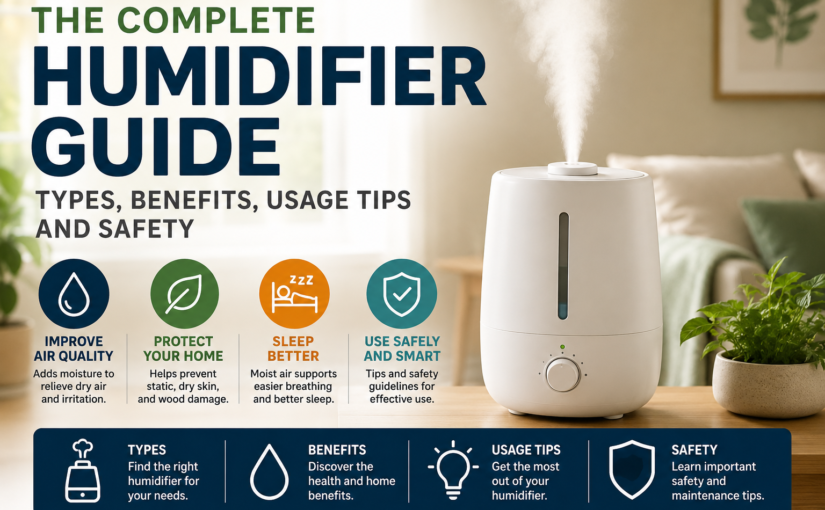
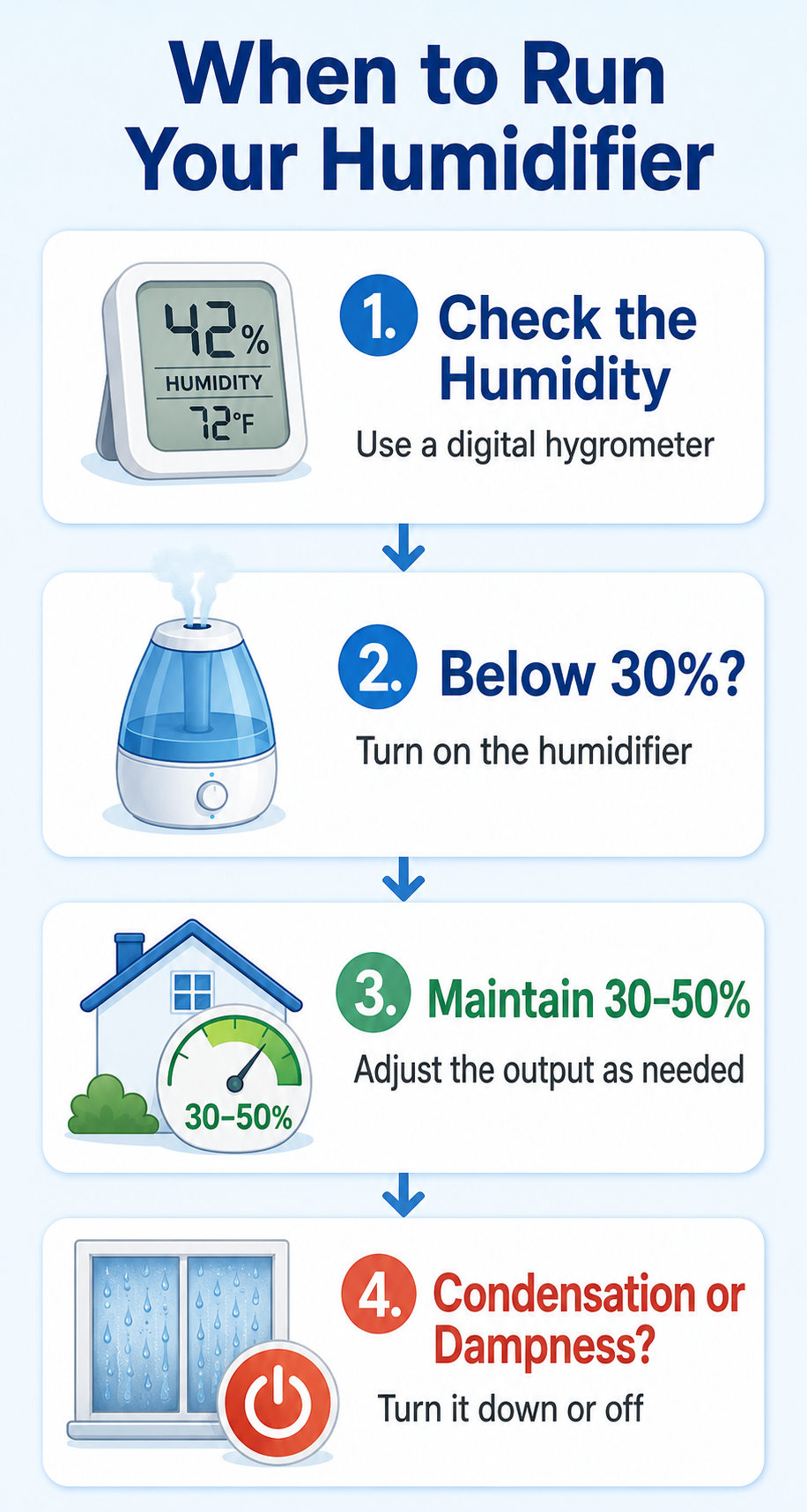
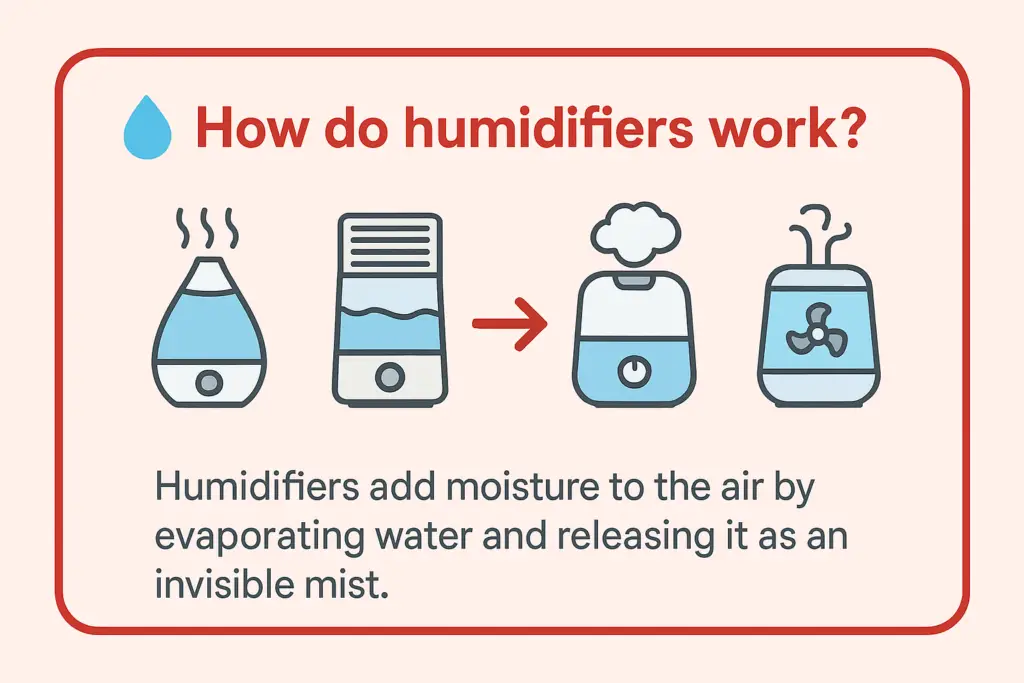
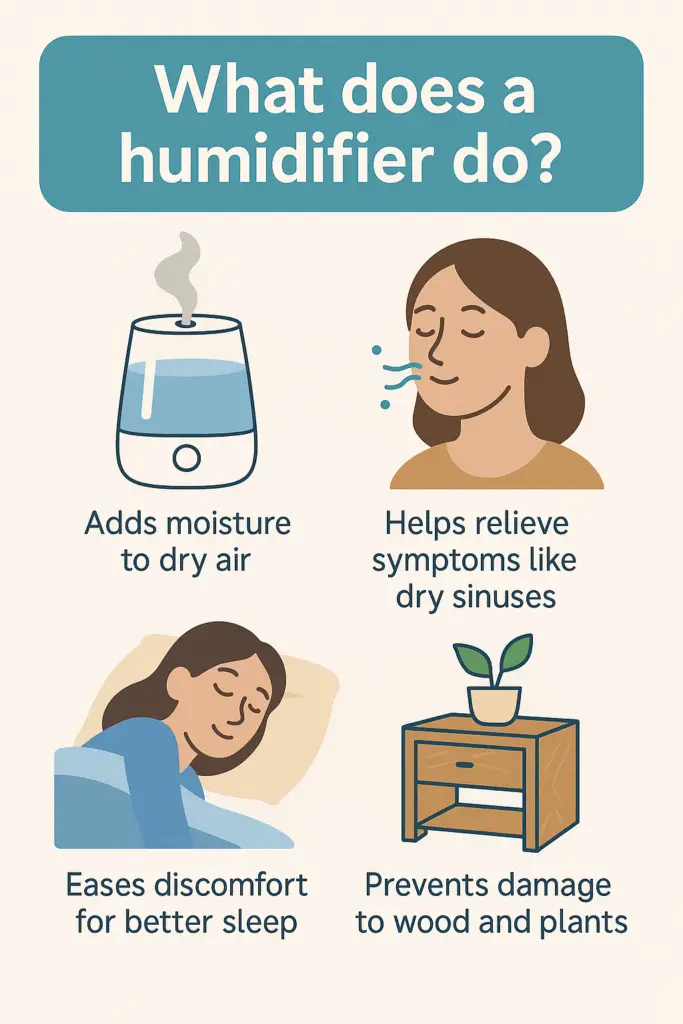
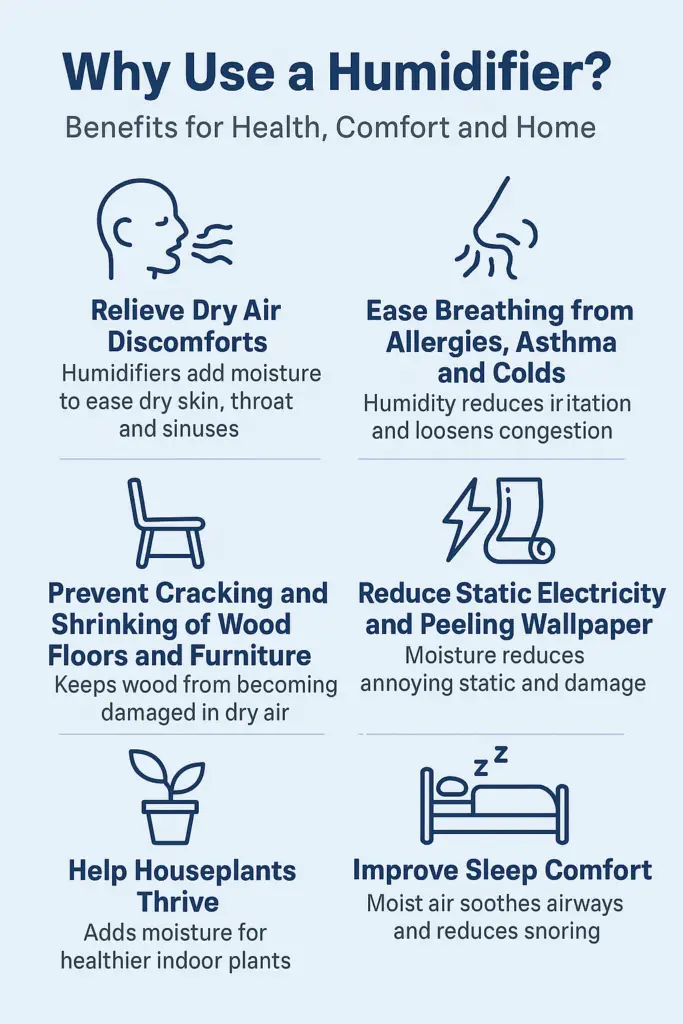
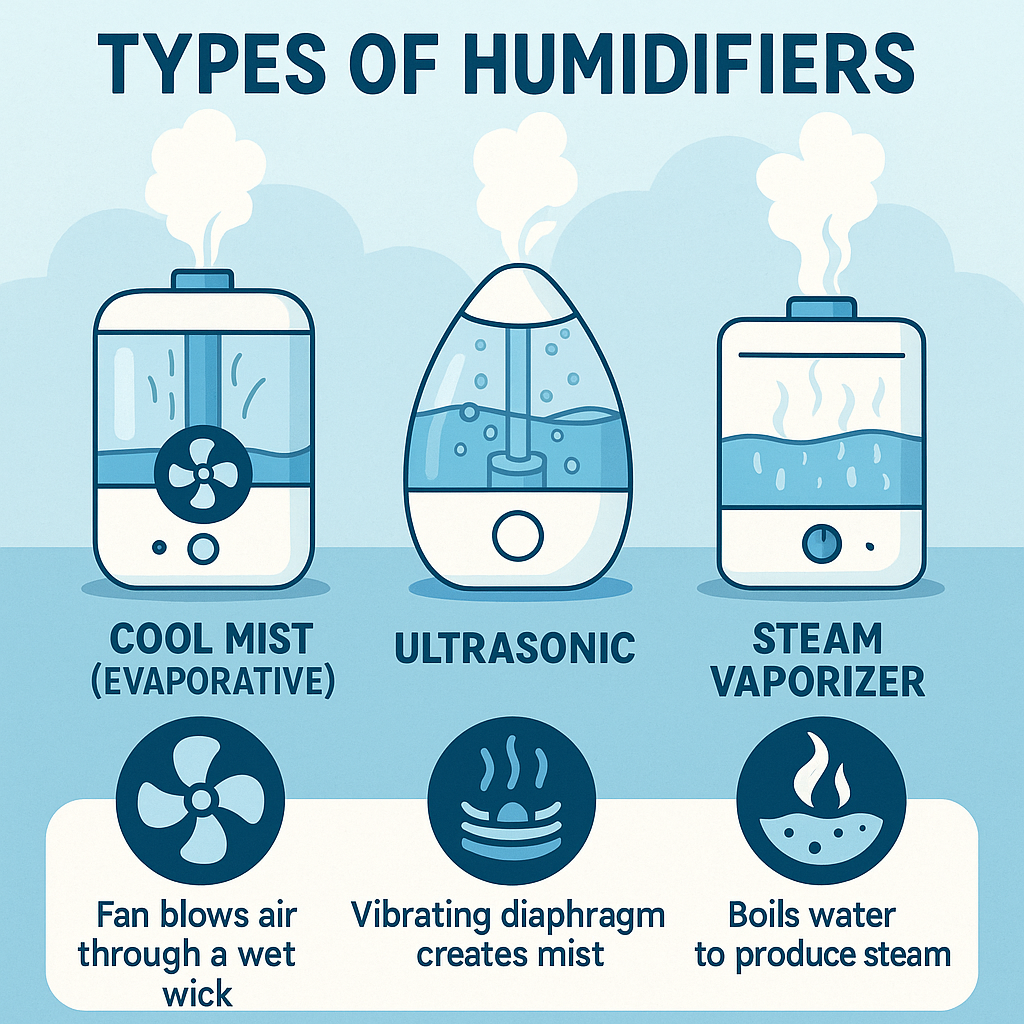
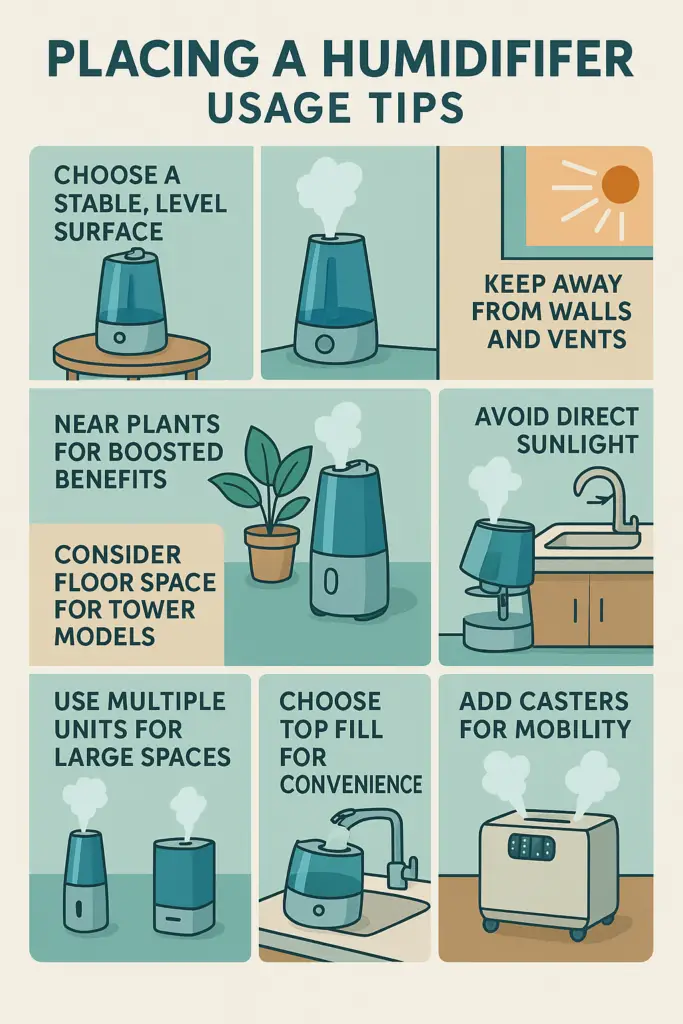
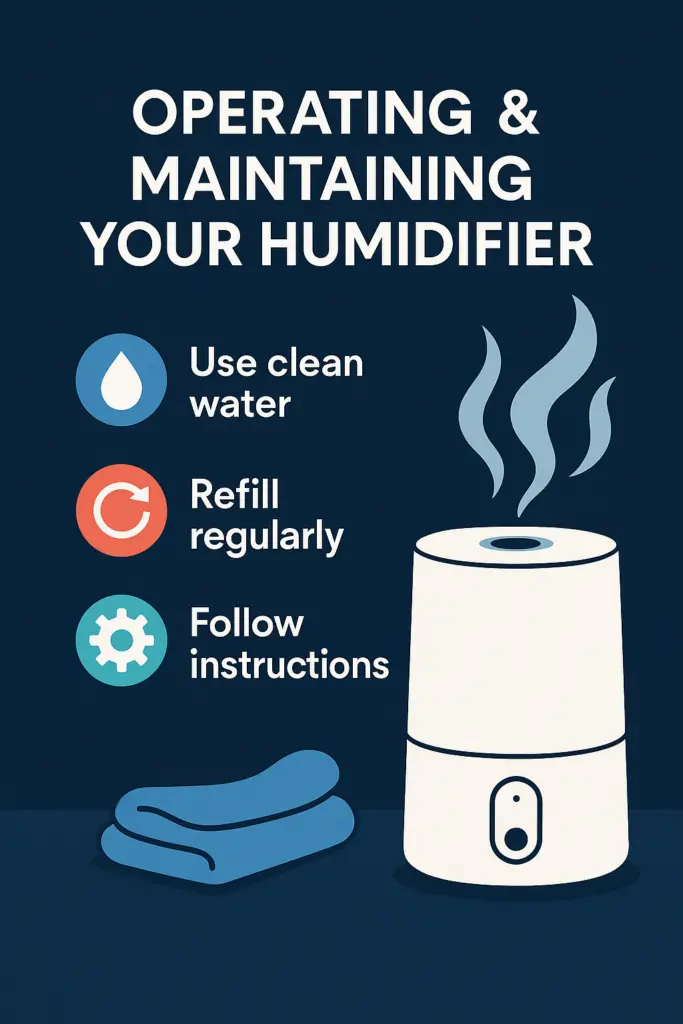

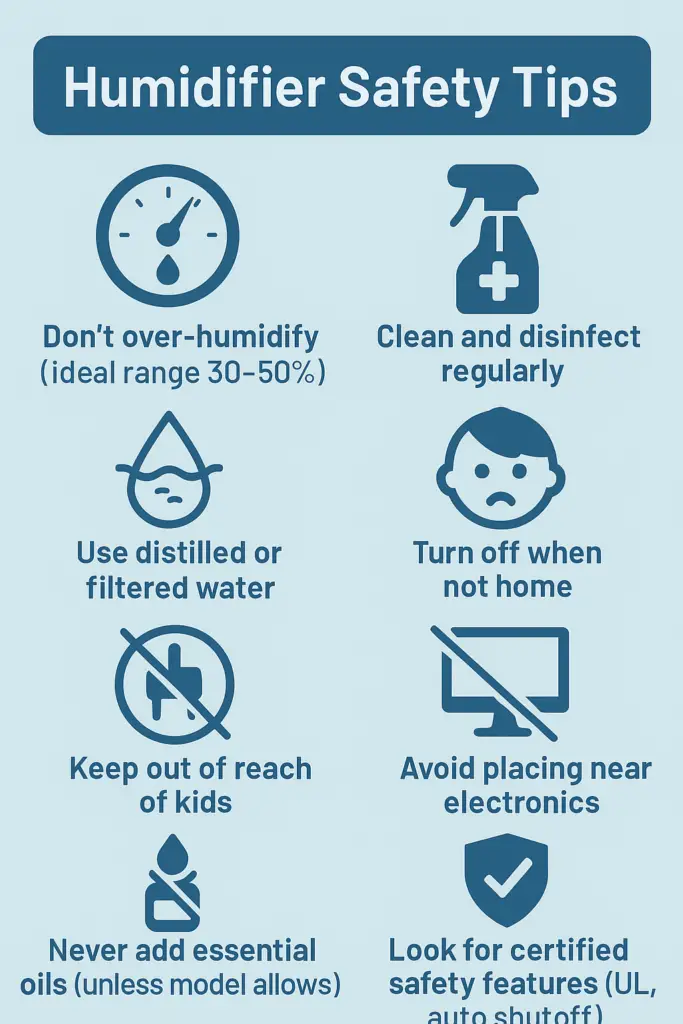
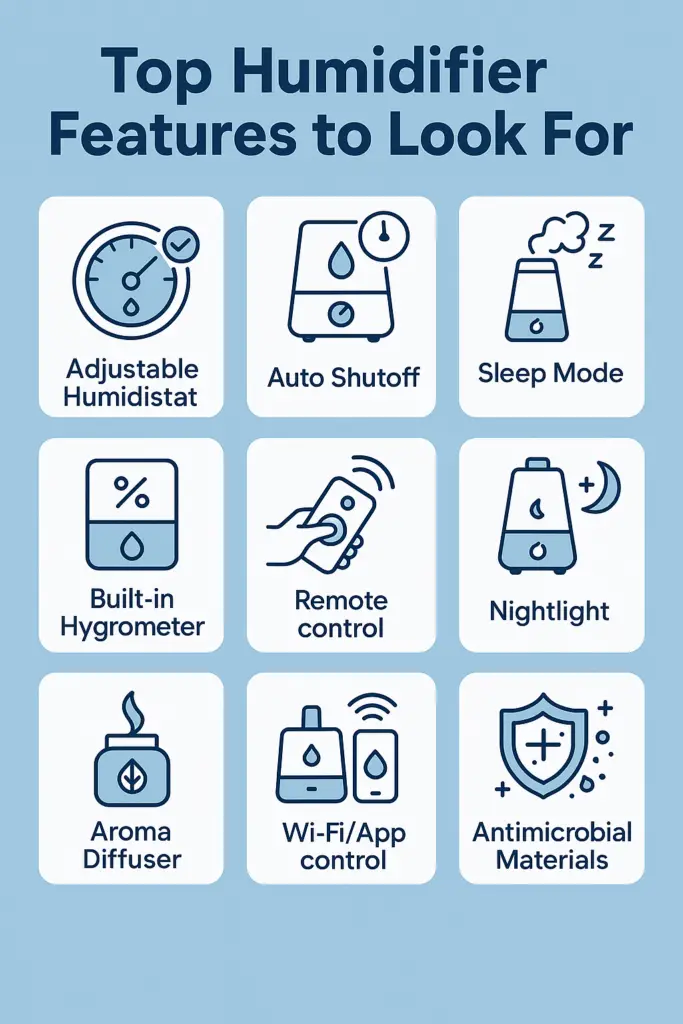



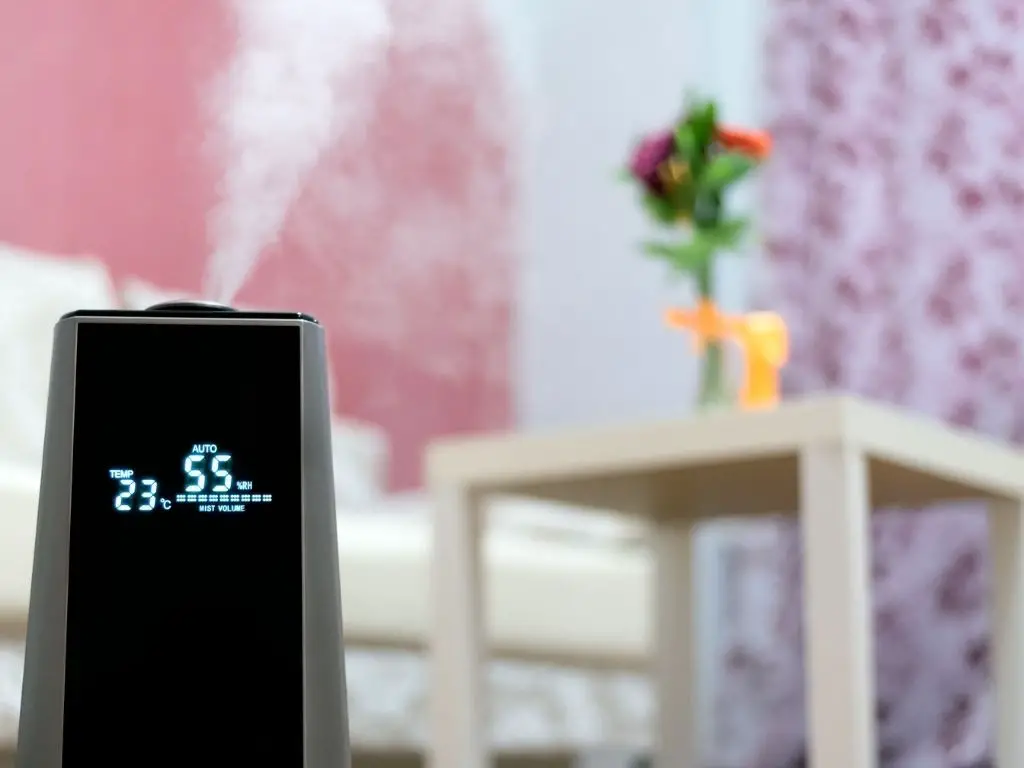

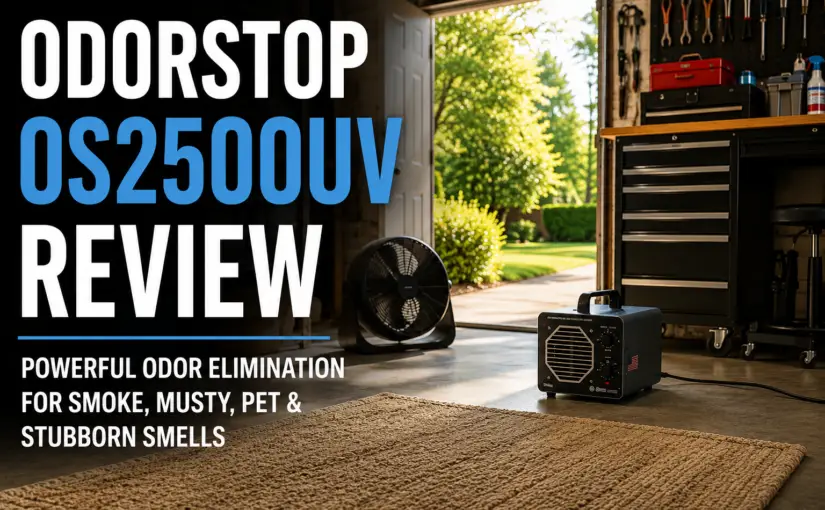
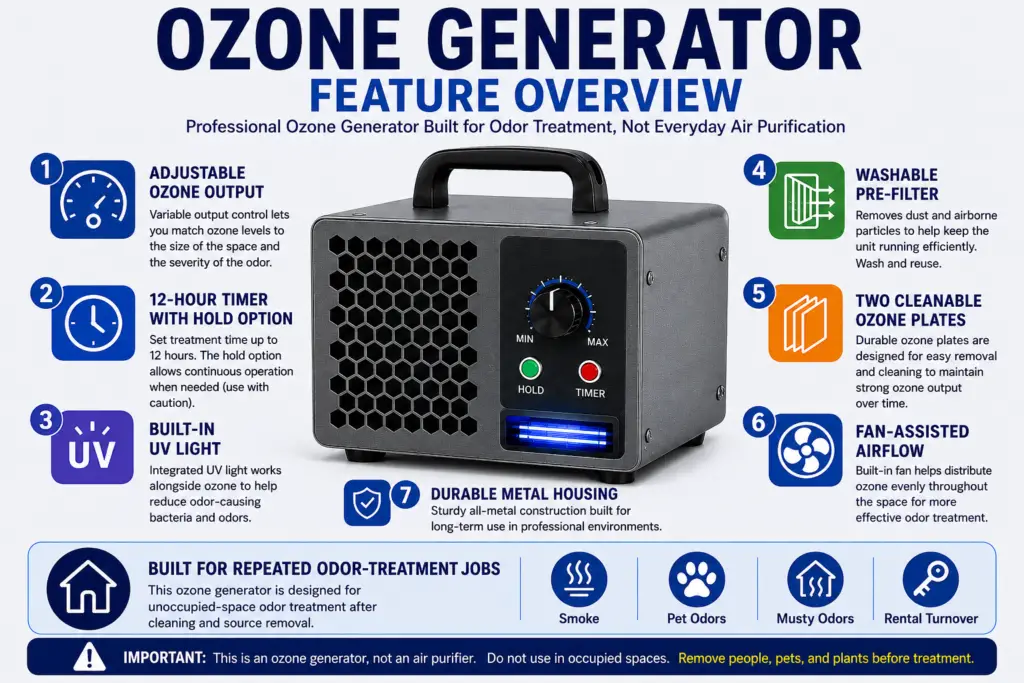
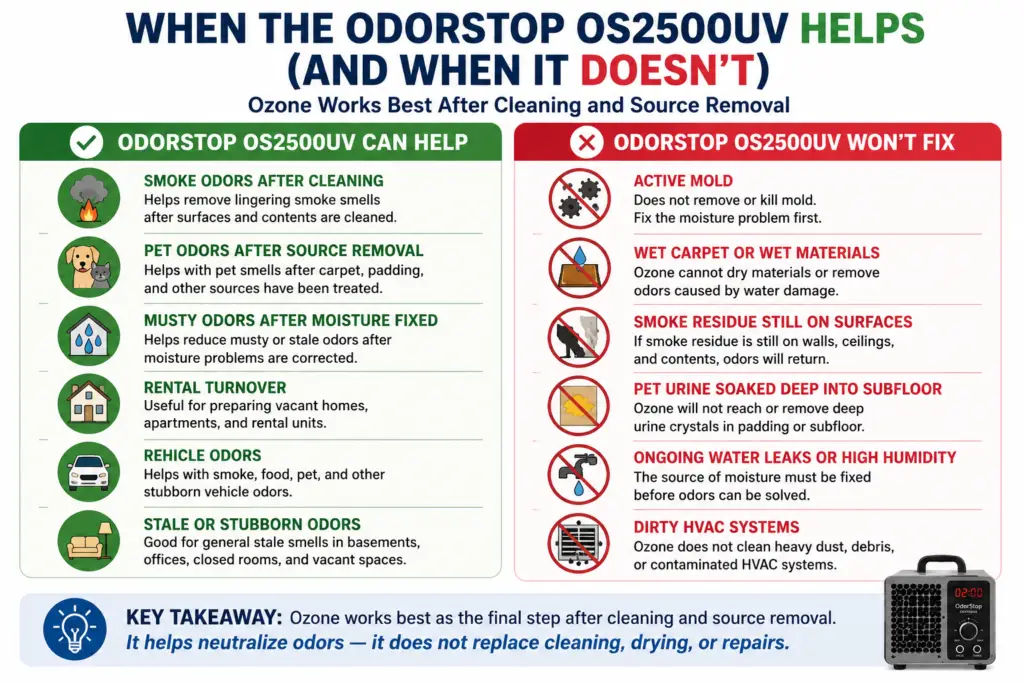
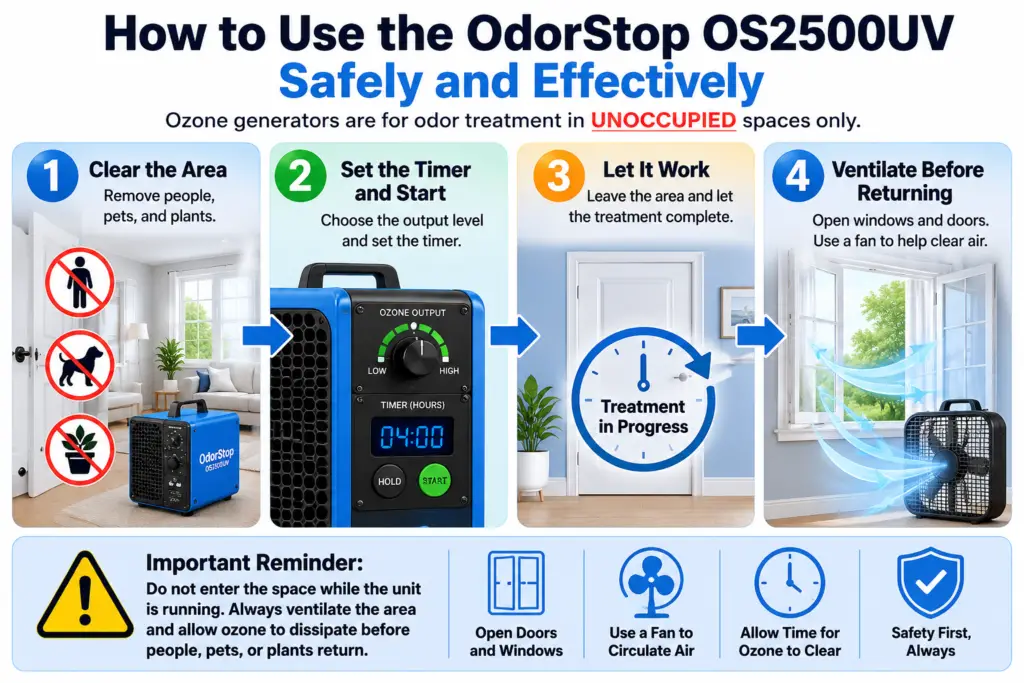

 3. Fix the tilt
 Window Air Conditioner Not Working After Rain
 Advanced Electrical Checks and When to Call an Electrician